Ann Lee was the seventh child of William Lee and Elizabeth ‘Martha’ Thomas. She was three years old in 1850, indicating she was born in Chesterfield County South Carolina in 1847.[1]
[1]Ancestry.Com. Year: 1850; Census Place: Chesterfield, Chesterfield, South Carolina; Roll: M432_851; Page: 109B; Image: 223.
When Ann Lee was born in 1847, the Lee family consisted of mother Elizabeth Martha Lee age around 33 and father William Lee age around 31. Brothers and sisters in the home already consisted of James Crawford Lee aged nine, John Thomas Lee aged eight, Samuel William Lee, aged six, Hannah Elizabeth Lee, aged four, Henry Alexander Lee, aged six and Mary Lee age one.
According to newspaper stories, 1847 was a very wet year with freshets on the Pee Dee reported in March and August.[1]
[1] Newspapers.com – The Evening Post – 20 Mar 1847 – Page 2.
In the 1860 census, Ann is listed as fourteen. Her father, William Lee is 51 and her mother, Elizabeth Martha, is 51. Her brother James Crawford Lee and her sisters Hannah Elizabeth and Mary have married and left the home. Henry Alexander Lee is also not listed in the census. Siblings in the home include John Thomas Lee (21), Samuel William Lee (19), Sarah Jane Lee (12), Eliza (11), and Charlotte Lee (9). Ann Lee’s mother died sometime after the 1860 census. She may have passed away before Ann married Richard Wilkerson in 1867.[1]
[1]Year: 1860; Census Place: Chesterfield, South Carolina; Roll: M653_1217; Page: 101; Image: 205; Family History Library Film: 805217.
Ann or ‘Annie’ Lee’s Married Life
Ann Lee married Richard J Wilkerson sometime before 1867 when her oldest son was born. Richard J Wilkerson’s family is not documented. Census records document that he was born in South Carolina. No documentation was found that Richard participated in the Civil War. He was found in the 1869 list of registered voters in Red Hill Election District in Marlboro County, South Carolina.[1] Red Hill is on the right side of the Pee Dee River, close to Cash’s Depot, going toward Society Hill.[2]
In 1879, Richard Wilkerson served on the grand jury that bound Sam Lee, his nephew over the homicide of James Frank Pressley.[1] Sam Lee was Ann Lee’s oldest brother’s James Crawford Lee’s son.
[1] Jurors of The State vs The Dead Body of Frank Presley July 13, 1879 obtained from State Archives.
In 1880, Richard Wilkerson and Ann Lee Wilkerson were living in the Red Hill township of Marlboro County. They were both thirty years old. He was a farm laborer. They had six children: Charlie (10), John (9), George (8), Benjamin (6), and James (5), Ella Jane (2).[1]
[1] Ancestry.Com. Year: 1880; Census Place: Red Hill, Marlboro, South Carolina; Roll: 1235; Family History Film: 1255235; Page: 526C; Enumeration District: 110.
Death of Ann “Annie” Lee Ann Lee died sometime after the birth of her youngest son Jack who was born in 1889. In 1900, her husband Richard was living in Harleesville, Marion, South Carolina. Children in the home were; Thomas Lester (19), John Edgar (17), Rosa (16) and Jack (11).[1]
[1] Ancestry.Com. Year: 1900; Census Place: Harleesville, Marion, South Carolina; Page: 9; Enumeration District: 0072.
In 1900 Harleesville was in the upper part of Marion County.[1] In 1910, the upper part of Marion County formed Dillon County.[2]
In 1900, Ann Lee’s oldest son, Charles, is living in Darlington with his wife Johanna Parker Wilkerson.[1] Johanna and Charles married in 1892. She was the daughter of Ann Lee’s sister Hannah Lee Parker and Samuel Parker. This makes her Charles’ first cousin. The second oldest son John may have been living with Charles per the census.
[1] Ancestry.Com. Year: 1900; Census Place: Darlington, Darlington, South Carolina; Roll: 1525; Page: 13B; Enumeration District: 0018; FHL microfilm: 1241525.
According to a newspaper article, John was living in Cheraw South Carolina in 1914.[1] When he died in 1925, John was living in Harleesville Township, Dillon County.[2]
[2] Ancestry.Com. South Carolina Death Records, 1821-1955.
In 1900, son George may have been a laborer on a farm in Bennettsville.[1]
[1] Ancestry.Com. Year: 1900; Census Place: Bennettsville, Marlboro, South Carolina; Roll: 1535; Page: 17; Enumeration District: 0087; FHL microfilm: 1241535.
.
James Crawford Wilkerson is not found in the 1900 census, but in the 1910 census, he was living in Harleesville Township, Dillon County.[1]
[1] Ancestry.Com. Year: 1910; Census Place: Harleesville, Dillon, South Carolina; Roll: T624_1458; Page: 23B; Enumeration District: 0062; FHL microfilm: 1375471.
In 1900, Benjamin Franklin Wilkerson is living in Red Bluff Township with his wife Hattie.[1]
[1] Ancestry.Com. Year: 1900; Census Place: Red Bluff, Marlboro, South Carolina; Roll: 1536; Page: 3B; Enumeration District: 0094; FHL microfilm: 1241536.
In 1900, Ella Jane Wilkerson Freeman is living with her husband, Wesley Freeman and their three children in Bennettsville, Marlboro, County.[1]
[1] Ancestry.Com. Year: 1900; Census Place: Bennettsville, Marlboro, South Carolina; Roll: 1535; Page: 26B; Enumeration District: 0087; FHL microfilm: 1241535.
In 1910 Richard Wilkerson is still living in Harleesville Township. However, Harleesville Township changed counties from Marion County to Dillon County, South Carolina. He has not moved but as noted previously in 1910 Dillon County was formed from six townships in upper Marion County. He has remarried to Mary Martin Bethea and had two more children.[1]
[1] Ancestry.Com. Year: 1910; Census Place: Harleesville, Dillon, South Carolina; Roll: T624_1458; Page: 11A; Enumeration District: 0061; FHL microfilm: 1375471.
We know Ann “Annie” Lee lived until age 42 when her youngest son Jack was born. She passed away before the 1900 census when her husband appears as a widower.
She left behind at least five siblings:
James Crawford Lee
John Thomas Lee
Samuel William Lee
Sarah Jane Lee Brock
Henry Alexander Lee
Joseph Daniel Lee (1/2 brother)
She also left behind ten children and her husband Richard
Charles Edward Wilkerson
John Wilkerson
George Wilkerson
James Crawford Wilkerson
Benjamin Franklin Wilkerson
Ella Jane Wilkerson Freeman
Thomas Lester Freeman
Rosa Lee Wilkerson Martin
John Edgar Wilkerson
Jack Wilkerson
Conclusion
Ann “Annie” Lee Wilkerson was born in Chesterfield County. She lived with her husband Richard in Red Hill Township in Marlboro County where she most likely passed away at the age of 42. She bore ten children there. After her death Richard and children still in the home moved to Harleesville which was in Marion County, South Carolina. Harleesville became located in Dillon County in 1910 when that county was formed from the top portion of Marion County. Several of Ann’s children stayed in Dillon, South Carolina. Others lived in Darlington County, Chesterfield County, and Marlboro County, South Carolina. Other children moved to North Carolina living in Fayetteville, High Point and Laurinburg, North Carolina.
Ann Lee’s descendants remained primarily in South Carolina and North Carolina. In South Carolina, they continued to be located in Dillon and Marlboro along with Chesterfield, Williamsburg, Charleston, Latta, Manning, Lexington, and Columbia. In North Carolina, the locations were primarily urban with descendants living in the Wilmington area, Charlotte area, and Raleigh area. A fair amount of them lived in the High Point area including Statesville, Thomasville, Kernersville, and Lexington, North Carolina. Sanford, Lee County was also a place of residence for Wilkerson descendants.
The Wilkerson descendants further scattered to Arizona, California, Colorado, Florida, Georgia, Kansas, Maryland, Nevada, Rhode Island, and Texas.
Richard Wilkerson was a sharecropping farmer. Several of his children followed in his footsteps. Others did not. One was a railroad worker, another a carpenter, and one worked as a shipping clerk at Fort Bragg. Ella Jane Wilkerson’s family moved to High Point, North Carolina where they worked in furniture manufacturing. Other descendants followed suit and worked in manufacturing: cotton mills, other textiles. Delta Mills, Spartan Manufacturing, Corning Manufacturing, Fram Corporation, Skyline Manufacturing, etc. were places of employment for the Wilkerson clan. Carolina Power and Light and Southern Bell Telephone also provided jobs. A fair amount of descendants were involved in service work: local government work such as city clerk, operations management, risk management, law enforcement, teaching, and court reporter, fire fighter, etc. One descendant was a newspaper reporter and freelance writer.
The family seems to have a real strength in business. There were business executives in corporations and small business owners: railroad, furniture company owners, electrical contractors, container manufacturing, produce salesmen, a radiator specialty company, wholesale tire sales, tree service business, etc. In the medical field, there were medical assistants, a dentist and US Army hospital workers. Many of the Wilkerson’s served in the military or had military careers.
There is no evidence that Richard Wilkerson served in the military in the Civil War. There is no indication that any of his sons (or daughters) served in the military. Richard and Ann Lee had three grandsons who served in the military in World War I. At least twelve of their descendants served in World War II. Two of them lost their lives.
Eugene Bright Crawford, great grandson, served in the Army and was killed in action in November 1944 in Holland
Willie Boyd Freeman, great grandson, served in the Marines and was killed in action in the Pacific (Guam) in July 1944.
There is no information available about where Ann Lee and Richard Wilkerson are buried or what church they are affiliated with. Their descendants are equally divided between Baptist and Methodist. Many are buried in public cemeteries not associated with churches. Several of Ann Lee and Richard Wilkerson’s children are buried at Beulah Baptist Church in Little Rock, Dillon County, South Carolina.
There is no evidence as to what the cause of death was for Ann Wilkerson Lee. She died at a fairly young age but she had had ten children in about twenty years so she may have been worn out. Most of her descendants died of causes related to ageing: kidney disease, cancer, heart trouble, lung disease and Alzheimer’s. There was one death due to child birth and a few premature deaths. There were two homicides due to random violence.
Ann “Annie” Lee Wilkerson was the Matriarch of a large productive Wilkerson family. Her children and her children’s children rise up and call her blessed.
Seborn Rogers was born in Haywood County, North Carolina in 1843.[1] His father was Posey J (James or Jackson) Rogers and his mother was Mary Sarah Rhinehart the daughter of Conrad Rhinehart and Harriet Evans. Posey was the son of David Rogers and Margaret Young.
[1] Ancestry.Com. Year: 1850; Census Place: , Haywood, North Carolina; Roll: M432_633; Page: 175B; Image.
Mary Sarah and Posey married on August 5, 1842.[1]
[1] Ancestry.Com. North Carolina Marriage Bonds, 1741-1868
Posey left Haywood County for Georgia and ended up in Texas sometime after Posey was born probably around 1843. I think Mary’s divorce records of 1849 may be a year off since her marriage records says she was married August 5, 1842 not 1841.[1]
To the honorable the judge of the superior court of law – the petition of Mary Rogers of said county and state against Posey Rogers whose residence is not known. Humbly represents unto your honor showeth that she intermarried with the said Posey sometime in or about the year 1841 with whom she lived in the enjoyment of conjugal bliss until about the year 1842 during which time nothing occurred to marr their mutual happiness to your petitioners knowledge and your petitioner had flattered her self that their life would be prosperous in the worldly substance of earth and an off spring that would have been a solace and comfort to them in their advanced age. But to your petitioner’s astonishment her said husband left their home on Pigeon River in said county alledging that he was going temporarily on a visit to Georgia, and would be absent for about three months and then return. Your petitioner further showeth that her said husband has been absent for more than six years and during that she has not heard anything from him and that she has no reason to believe that he will return to your petitioner or that she will ever see him again. Your petitioner from these charges and expressly avers that she has cause to believe and does believe that the said Posey abandoned his family and does not design to return to your petitioner. Your petitioner avers and believes that her said Posey Rogers had abandoned your petitioner. Your petitioner further showeth that she has been a citizen of said county of Haywood and State for more than three years immediately previous to this time and that matter of fact_________ in this petition have existed more than six months. In tender consideration of the promises your petitioner prays your honor to sentence adjudge and decree divorce from the bonds of matrimony and that all and every the right duties and claims of the said parties in said marriage shall cease and determine forever and your petitioner further prays writ of subpoenas together with a copy of this petition directing to the sheriff of said county to be served on the said Posey Rogers commanding him to appear before the Judge of the next superior court of law to be held in the County of Haywood at the courthouse in Waynesville on the 4th Monday in September next then and there full true and perfect answer make to the different allegations in this petition as though he was separately and particularly interrogated thereto and your honor may grant into your petitioners from time to time all such other and further relief as the nature of her case may__________and as to Justice may deem your petitioner as in duty bound will ever meet and pray
R M Henry Attorney for Petitioner
Mary Rogers the Petitioner maketh oath that the matter of fact set forth on the foregoing petition those of her own knowledge are true and that the said complaint is not made out of_______ or by collusion with her said husband or any other for the main purpose of being freed and separated from each other but in sincerity and truth for the causes mentioned in the said petition and she further maketh oath that she is not worth the sum of two hundred dollars in any worldly substance sworn to and subscribed before me this 27th day of March 1849.
J R Love JD Mary Rogers
State of North Carolina
The clerk of the Superior Court of Law for the County of Haywood will __________ a copy of the foregoing petition a ______
without requiring bond and security for costs your order in my hand at Waynesville this 28th March 1849.
North Carolina Superior Court of Law Fall Term 1850
Mary Rogers vs Posey Rogers
This case coming to be heard on the Petitioners former orders and issues submitted to the jury and found in favor of petitioner upon the proof. It is ordered, adjudged and decreed by the Court nowhere that the Petitioner Mary Rogers be and she is hereby divorced from the bonds of matrimony which heretofore existed between her and the said Posey Rogers and that all the rights privileges, dominion and control of the said Defendant or husband of petitioner shall now and forever here after cause and determine and the said Mary shall have and she is hereby declared to have all the rights privileges and immunity of a feme solo.
Jno M Dick ______
Posey is found with his grandparents and mother in Haywood County, North Carolina in the 1850 census. His grandfather Conrad was 54 and his wife Harriett was 54 as well. Mother Mary Rhinehart was 25. His aunt Rachel was 20 and Uncles Fhidilla and Kelsey were 13 and 11.[1]
[1] Ancestry.Com. Year: 1850; Census Place: , Haywood, North Carolina; Roll: M432_633; Page: 175B; Image.
P J Rogers is found on a Cherokee County, Texas tax list in 1846.[1] In the 1850 census, P J Rogers is on the Rusk, Cherokee County census. He is 27 and a blacksmith from North Carolina. His wife Hannah J (Smith) Rogers is 21 and daughter Martha A E Rogers is age 4.[2]
In the 1860 census Seborn is found in the home of his step father Isaac Rhinehart (36) mother Mary (35), and half brothers William H (8), Marian W (4), Bascombe, and Joab V (1). Isaac Rhinehart was the first cousin of Sebrum’s mother Mary.[1]
[1] Ancestry.Com. Year: 1860; Census Place: Division 37, Haywood, North Carolina; Roll: ; Page: 689; Image: 135.
Seborn’s father Posey is in Anderson, Texas, getting his mail at the Kickapoo post office. He is still a blacksmith. He is 35 years old. His wife Hannah Jane is 32. Children in the home are ME (13), MF (9), AG (2) and Infant Rogers (1 month old).[1]
[1] Year: 1860; Census Place: Beat 7, Anderson, Texas; Roll: M653_1287; Page: 57; Family History Library Film: 805287.
Civil War Years for Sebrum
Seborn Taylor Rogers served in Confederate Thomas Legion as a drummer and a private in the War Between The States.[1]
In the Book Storm in the Mountains: Thomas’ Confederate Legion of Cherokee Indians and Mountaineers by Vernon H. Crow there is a list of the Musicians of Thomas’ Legion. Seborn appears on this list. Sebrum Rogers was a drummer and a noncombatant. As such he would have been required to learn drum calls, which were important to tell the other’s what to do. He would have also been assigned other duties such as tending to the sick.
Seborn Taylor Rogers served in Company E known as Love’s Regiment
Thomas’ Legion, also known as Thomas’ Legion of Cherokee Indians and Highlanders, Thomas’ Legion of Indians and Highlanders, and the 69th North Carolina Regiment, was a unit of the Confederate Army in the American Civil War. The formation was organized in 1862 by William Holland Thomas and fought in the last skirmish of the war in North Carolina before surrendering in May 1865.
The regiment was unusual in several respects. Thomas, the only white chief of the Cherokee Indians, recruited a sizable number of Cherokees. In addition, like a few other Civil War formations, it was a true legion, which is a combined arms unit, consisting of infantry, cavalry, and artillery.
William Holland Thomas actively promoted the idea of having Cherokees fight for the Confederacy. In 1862, he organized 200 Cherokee Indians in North Carolina as the Junaluska Zouaves, names after Chief Junaluska; by April, he had raised the North Carolina Cherokee Battalion. His petition to recruit additional Cherokees and whites was approved by Confederate authorities and he was authorized to raise a legion.
It was officially organized on September 27, 1862, at Knoxville, Tennessee, with recruits coming primarily from western North Carolina and eastern Tennessee. The unit, under the command of newly elected Colonel William Holland Thomas, initially comprised 1125 men in an infantry regiment and a cavalry battalion. The infantry was organized into ten companies, two Cherokee (Companies A and B) and eight white (C-I, K), and became known as Love’s Regiment, under Lieutenant Colonel James R. Love II. Walker’s Battalion was raised in Cherokee County, North Carolina William Stringfield and led by Lieutenant Colonel William C. Walker. The third element was the Cherokee Battalion, made up of 400 Cherokees. John T. Levi’s Light Artillery Battery was added on April 1, 1863.
The unit was mainly assigned to defend the area. A portion of the Legion was sent to Powell’s Vally in late 1862 and was ambushed at Baptist Gap. When Cherokee Lieutenant Astooga Stoga was killed leading a counterattack, enraged Indian comrades scalped several dead or wounded Union soldiers. To defuse the situation, Colonel Thomas had the scalps returned to the Union with apologies.
The Legion was sent east to join General Jubal Early in the Valley Campaigns of 1864 in the Shenandoah Valley of Virginia. At this point, the legion was down to 500 men. It fought in the Battle of Cedar Creek on October 19, 1864. By the time the Legion was transferred back to North Carolina, it mustered fewer than 100 soldiers. An appreciative General Gabriel C. Wharton stated. “The gallant conduct of your command rendered your efforts to rejoin your command in North Carolina abortive, and the constant refusal to your many applications for transfer is complimentary evidence of the esteem in which you were held, and a grateful acknowledgement of the services you could render.”
Back in his own state, Thomas brought the unit’s strength up to 1200 men, including 400 Cherokees, by April 1, 1865. Eight days later, however, Robert E. Lee surrendered his army to Ulysses S. Grant. Thomas and his legion surrendered to Union forces at Waynesville, North Carolina on May 10.
“Thomas’ Legion”. stoppingpoints.com. Retrieved January 31, 2011.
Excerpt of Histories of the Several Regiments and Battalions from North Carolina in the Great War 1861–65. (Volume 3) (1901), Walter Clark (ed.), posted by the Jackson County Genealogical Society. Retrieved February 1, 2011.
“Will Thomas”. Eastern Band of the Cherokee Nation (cherokee-nc.com). Retrieved February 10, 2011.
Timothy N. Osment (2008). “Thomas Legion”. Digital Heritage.org (relinked: learnnc.org). Retrieved August 19, 2015.
thomaslegioncherokee.tripod.com. Retrieved January 31, 2011.
“Thomas’ Legion”. stoppingpoints.com. Retrieved January 31, 2011.
Seborn Taylor Rogers enlisted on May 4, 1861 in Waynesville, North Carolina. He was enlisted by Lieutenant Col. Love.[1] Lieutenant Colonel Love survived the war and moved to Tennessee where he is buried. [2]
.[1] In April 1865, Taylor Rogers appears on a Bristol, Tennessee register of Rebel Deserters sent to Chattanooga. According to the last entry, Sebrum Rogers never made it to Chattanooga as a Rebel Deserter. He went back home to the safety of Haywood County.[2]
A list of men in Company E (Sebrum’s company) appeared in the Book Storm in the Mountains: Thomas’ Confederate Legion of Cherokee Indians and Mountaineers by Vernon H. Crow.
Many the of the men in Company E were neighbors/kinsmen of Sebrum Rogers.
The Liners were uncles of Seborn’s first wife. James Rhinehart was kin on his mother’s side. William Jasper Rogers was kin on his father’s side. John H Mull was his daughter-in-law’s Beulah Mull’s kin. William Jasper’s story in his own words in 1930 is included here.
Seborn Roger’s father served for the Confederacy in Texas. He served Company E 13 Regiment Texas Volunteers[1] in March[2] and April of 1865[3] as a blacksmith.
In the 1870 census, Seborn Rogers (26) is living with wife Mary Rogers (28), son Robert Rogers (3), and daughter Martha (3 months). Sebrum is living in dwelling 25 in Crabtree in Haywood, North Carolina.[1] It says that Martha was born in February.[2] This is most likely Mary Isabel Rogers Stevenson who other records show was born in February of 1970.[3] Also in the home is domestic Louise Davis and her daughter Rebecca.
[2] Ancestry.Com. Year: 1870; Census Place: Crabtree, Haywood, North Carolina; Roll: M593_; Page: ; Image: ..
[3]Ancestry.Com. Year: 1900; Census Place: Iron Duff, Haywood, North Carolina; Page: 3; Enumeration District: 0027; FHL microfilm: 1241200
Many researchers say Mary Rogers is the daughter of Willian and Malvina Cockerham Liner. Evidence pointing away from that is the fact is that Mary Isabel Rogers Stevenson death certificate says her mother was Mary Isabel Rogers. Also Mary Isabel Rogers Stevenson said in 1890 when she married Robert Lee Stevenson her mother was dead. Mary Catherine Liner Rogers married Lorenzo Dow Evans in 1877 and she was alive in 1900 and living with him.[1] Also there has been no divorce found between Sebrum Rogers and Mary Catherine Liner Rogers.
[1] Ancestry.Com. Year: 1900; Census Place: Tusquittee, Clay, North Carolina; Roll: T623_1188; Page: 1A; Enumeration District: 14.
In the 1870 census, Seborn’s mother Mary Rhinehart (44) is living with her second husband Isaac Rhinehart(43). Mary and Isaac are living in dwelling 43 in Crabtree in Haywood, North Carolina. In the home are children William (18), Marcus (15), Benjamin (10), Joseph (9), Martha (7), Robert (5), and Harriet (4).[1]
[1] Ancestry.Com. Year: 1870; Census Place: Crabtree, Haywood, North Carolina; Roll: M593_; Page: ; Image:.
Seborn’s father Posey (43) is living in Sherman in Grayson, Texas.[1]
[2] Ancetry.Com. 1870 United States Federal Census.
On January 25, 1873, Seborn Rogers married Sarah Jane Mason at her home in Crabtree. The license said his father was live and his mother live. Sarah Jane was the daughter of Joseph Mason and Druscilla Roberts of Macon County.[1]
[1] Ancestry.Com. North Carolina, Marriage Records, 1741-2011.
In the 1880 census Seborn (36) is counted at his home in Iron Duff, Haywood County with his wife Jane (35). Also in the home is Mason N Rogers. Mason is most likely the son of Sarah Jane and her first husband James. Robert JR Rogers (13) and Mary E Rogers (10) are the children of Sebrum and his first wife Mary. [1]
[1] Ancestry.Com. Year: 1880; Census Place: Iron Duff, Haywood, North Carolina; Roll: 967; Family History Film: 1254967; Page: 184C; Enumeration District: 089; Image: 0364.
Seborn’s mother, Mary (54) is counted at her home in Crab Tree, Haywood County in 1880. She is with her husband Isaac (56) and sons, Joab (20), Bascombe (22), and Rufus (16).[1]
[1] Ancestry.Com. Year: 1880; Census Place: Crab Tree, Haywood, North Carolina; Roll: 967; Family History Film: 1254967; Page: 194A; Enumeration District: 090; Image: 0383.
Seborn’s father Posey (52) is counted in Parker, Texas. He is a widow, living with his sons, Albert J (21), and Thomas C (14). He is a widower and a farmer.[1]
On May 28, 1882, Seborn Rogers married Elizabeth Caroline Fincher Ferguson, the widow of Ebed Riley Ferguson who passed away in 1880.
He had three children with her:
Evie Victoria born in 1883
Elmer C born in 1885
Fred Marvin born in 1886.
Seborn Rogers passed away in 1898. He is buried too at the Thad Rogers Cemetery at Fine’s Creek. Here are two of his descendants at the cemetery behind the monument honoring their Patriot ancestor, Hugh Rogers.
Elizabeth Caroline “Lizzie” Fincher’s Early Life
Elizabeth Caroline “Lizzie” Fincher was born February 2, 1846 in Haywood County, North Carolina.[1] In the 1850 census she is living in the home with her grandfather Joshua Fincher (61), grandmother Elizabeth Hise Fincher (60), Aunt Catherine Fincher (23), Mother Liddy Fincher (20) and brother Joshua (2). There was no father in the home.[2]
[2] Ancestry.Com. Year: 1850; Census Place: , Haywood, North Carolina; Roll: M432_633; Page: 183A; Image: .
According to news reports there were 710 Indians living in Haywood County in 1850.[1]
[1] Newspapers.com – The North-Carolinian – 12 Oct 1850 – Page 2.
From the 1855 Comptrollers Report, you can see that the taxes collected from Haywood County were meager. [1]
[1] Newspapers.com – Semi-Weekly Standard – 8 Mar 1856 – Page 2
In the 1860 census, Elizabeth Caroline’s (14) mother Lydia Caroline (29) has married James A Dotson (35). Siblings in the home are Laura (8), Ebed(4) and Daniel (3 months).[1]
[1] Ancestry.Com. Year: 1860; Census Place: Division 37, Haywood, North Carolina; Roll: ; Page: 645; Image: 91.
Elizabeth Caroline Fincher marries Ebed Riley Ferguson
Elizabeth Caroline Fincher married Ebed Riley Ferguson around 1865. He was the son of Andrew Fitzpatrick Ferguson and Rachel Jones Ferguson of Iron Duff, Haywood, County. His father was a prominent farmer. Andrew had four wives. Rachel Jones Ferguson, his first wife was the mother of fifteen children.[1]
Ebed Riley Ferguson was a 2nd Lieutenant in Company A of the 62nd NC Infantry Regiment.[1] The 62nd Infantry Regiment was formed at Waynesville, North Carolina, in July, 1862. Its members were raised in the counties of Haywood, Clay, Macon, Rutherford, Henderson, and Transylvania. The unit served in North Carolina, then in July, 1863, was assigned to General Gracie’s Brigade and stationed at Cumberland Gap. Here many were surrendered in September, but a number escaped from being captured.
[1]Ancestry.Com. U.S. Civil War Soldiers, 1861-1865, National Park Service.
They returned to the Asheville area and in April, 1864 had 178 men present. The records show 443 men of the 62nd were prisoners at Camp Douglas. It continued the fight under Generals Breckinridge, Vaughn, and Williams in East Tennessee, then became a part of Colonel J.B. Palmer’s command at Asheville in March, 1865. Later it disbanded near the French Broad River. The field officers were Colonels George W. Clayton and Robert G.A. Love, and Lieutenant Colonel Byron G. McDowell.[1]
However, his son’s application for a Confederate memorial states that he was a Prisoner of War at Camp Douglas in Illinois.[1]
[1]Ancestry.Com. U.S., Headstone Applications for Military Veterans, 1925-1963 accessed November 26, 2022.
This is Colonel Byron McDowell’s story of the Capture.[1]
HISTORY OF THE SURRENDER OF CUMBERLAND GAP BY ONE WHO WAS INSIDE. Major G. B. McDowell of tho 62 N. C Regiment, which was surrendered at Cumberland Gap, by Gen. Frazier, publishes a letter which is the first reliable account of that affair. It appears that on Monday the 6th, at about 9 o’ clock A. M., the Yankee Gen. Shackelford, appeared about two miles from the Gap and demanded its surrender, which was refused by Gen. F., and on Tuesday again made and again refused. The major’s statement continues the narrative. On Tuesday evening Colonel DoCosey’s command made their appearance on the north side of the mountain. A portion of his command approached on the Harlin county road, and a portion on the main Kentucky road, a heavy skirmish soon began betweon Capt. Turpin’s company of my regiment, and the advance of the Abolitionists. Captain Turpin, with bis gallant boys, effectually checked the advance of the enemy until late in the evening when the Yankees disappeared, Captain Turpin stood his ground, which was something near one mile in advance of our line.
About 3 o’clock, Tuesday evening. Col DeCosey demanded tho unconditional surrender of Gen. Frazier and command. Gen. Frazier replied under flag of truce, asking Gen. DeCosey the number of forces which he was ordered to surrender. DeCosey replied near 12 o’clock at night refusing to give the number of forces under his command stating that it was from motives entirely disconnected with the attack upon the gap that he did so. General Frazier then refused to surrender, and it was understood that the fight would start at 12 o’clock on Monday. I will state in this connection, that on Tuesday evening a council of the commanding officers of regiment was called, which resulted in the refusal of all to be surrendered. I will state further that a majority preferred the risk of cutting their way through the Yankee linos than to be surrendered on any terms. A fight was therefore confidently expected. Near 12 o’clock on Wednesday the 9th, when all was in anxious expectation for the fight to open, Gen. Frazier received from Burnside, under a flag of truce a demand for the unconditional surrender of himself and command. Very soon after its reception, one of Gen. Frazier’s aid-de-camps came in great haste down the mountain and ordered me to take down my battle-flag and hoist a white flag instead thereof. Although many of us were of opinion that wo would bo surrendered sooner or later, you can imagine the astonishment with which this struck tho brave boys that were so anxiously expecting an engagement.
Various statements have been made in regard to the conduct of the troops composing the command at Cumberland Gap. I assert most positively that I have yet to see troops in finer spirits or more determined to hold their ground than the troops in the gap.
I have learned that on attempt is being made to justify the surrender of the gap upon the ground that the troops in the gap would not fight, and that some of them shouted when the flag was ordered down. The last charge was made against the 62d North Carolina regiment. The first is false, and the second not only false, but is a base and cowardly effort to protect those that may be guilty at the expense of the innocent, brave, patriotic, and true. We were surrendered, then, to Gen. Bumside on Wednosday the 9th, at 4 o’clock P. M. Many made their escape after the surrender, and among thorn was your unworthy correspondent. We had when we were surrendered provisions upon which we could have subsisted 30 days. We had all in ammunition on hand that we when the gap was first invested. My regiment bad 150 rounds to the man, and I presume other regiments had the same. As to the spiking and throwing over the cliffs, the artillery mentioned in your issue of the 7th, taken from the Knoxville Register, I know nothing, save that two men on my command was picketing which they spiked and threw over tho cliff near it on their own rosponsibility. This I witnessed and know to be true. The number of forces investing the gap I am not by any means prepared to state. It was represented to be near 10,000 on each side the gap. It the surrender was a matter of necessity it was from causes other than a want of provisions, ammunition, or a willingness on the part of the men to do their duty.
[1] Newspapers.com – The Greensboro Patriot – 22 Oct 1863 – Page 2.
Accessed November 28, 2022.
Lt. Col. Byron Gibbs McDowell a coward?[1] Even after being shot while fighting bushwhackers, McDowell fought valiantly and bravely until the end of the conflict, and he was also recorded on muster rolls and troop rosters in April 1865. McDowell was a leader and inspiration to the men who served in his command and he was quick to lead by example. The men who evaded capture, of their own free will they too fought until the end of the conflict. Their actions were not indicative of cowardice. Frazer made his blistering remarks while in Union captivity, and, if he was only trying to gain favor while incarcerated, he could have made a retraction after the war– but he didn’t. Perhaps out of fear for his life, it explains why he lived his remaining years in New York. Did Frazer sell out as some have suggested? Perhaps. Regardless of Frazer’s motives or excuses, it is evident by the hundreds who had evaded capture, he also could have led many, if not all, of his command to another position. Frazer was similar to the possum at the Cumberland Gap, and his inaction and disobedience to orders from his superiors, as well as his lack of leadership, “presents a shameful abandonment of duty,” said Jeff Davis bluntly. There is a lot of truth to that old saying, run away and live to fight another day. But of the 442 men of the 62nd who were captured in the Cumberland Gap and incarcerated in Union prisons, 44% died. Nearly 750 of the regiment’s 1,000 had been captured during the war, but the remaining 175 who formed the shattered unit were present for the daring defense of Asheville on April 6, 1865.
Camp Douglas was a very brutal place to be held prisoner and according to news sources, many North Carolinians froze to death.[1]
[1]Newspapers.com – The People’s Press – 15 Dec 1887 – Page 2
The book To Die in Chicago by George Levy tells of the life of the Confederate prisoners of war at Camp Douglas Prison Depot. The death statistics of 15% were worse at Camp Douglas than Point Lookout but not as bad as Elmira, New York which were 24%.[1] Ebed Ferguson was at Camp Douglas from 1863 to June 11, 1865 when he was released. He would have been there in April of 1865 when President Lincoln was assassinated and the flags were ordered to half mast.
[1]To Die in Chicago, Confederate Prisoners at Camp Douglas 1862-65 by George Levy, 2008, Pelican Publishing Company,, page 334-335.
A young Union soldier lost his life trying to right the Union Flag but a Georgia rebel soldier fixed the flag and won his freedom on that day.[1] The “great clearing off” of Camp Douglas came In June, 1865, when 4,090 prisoners departed the camp. About 1,770 refused to take the oath of allegiance to the United Stated and they were kept until June 25.[2]
[2]To Die in Chicago, Confederate Prisoners at Camp Douglas 1862-65 by George Levy, 2008, Pelican Publishing Company,, page 327.
In the 1870 census, Elizabeth Ferguson (25) was living in Crabtree keeping house with her husband Ebed Riley (45) and her two children Laura (3) and baby Robert. Martha Ferguson, Ebed’s sister who was a school teacher was in the home. I believe Andrew who is in the home is Elizabeth’s brother who later goes by Alvis Joshua. Elizabeth’s aunt Catherine is also living with here as well as a boarder John Capisse from Tennessee.[1]
[1] Ancestry.Com. Year: 1870; Census Place: Crabtree, Haywood, North Carolina; Roll: M593_; Page: ; Image:.
Later in the year, Elizabeth and Ebed have a second son, Joseph Dunn in December of 1870.
A second daughter, Marietta Mary Elizabeth is born November 7, 1875 and Francis Davis “Frank” was born May 2, 1878. Robert, Laura Louise, and Father Ebed Riley all die before the census is taken in 1880. There are records of Ebed Riley’s 1879 sickness in his estate files.[1]
[1] Ancestry.com. North Carolina, U.S., Wills and Probate Records, 1665-1998.
Ebed’s military marker is at Crabtree Baptist Church in Clyde North Carolina. The two children are probably buried there as well.[1] W P Porter was paid $5.00 for making his coffin.[2]
[2] Ancestry.com. North Carolina, U.S., Wills and Probate Records, 1665-1998.
Widow Elizabeth Carolina “Lizzie” Fincher Ferguson
Ebed Ferguson owned quite a bit of land when he died. His brother in-law FM Davis and his brother Thomas J Ferguson were the executors of his estate. His estate file contained a lot of information and was open from 1880 to 1898 because his children were minors.[1]
May 8, 1880 – Executors FM Davis and Thos J Ferguson appointed over the estate of Ebed Ferguson who died intestate. FM Davis was the brother-in Law of Ebed Ferguson. He married Ebed’s sister Margaret Angeline Ferguson. Thomas J Ferguson was his brother. Heirs at law were minor children: Joe Dunn Ferguson, Maryetta Ferguson, and Francis Davis Ferguson, all of whom were minors.
May 15, 1880 – inventory of dower personal property items allotted to widow Elizabeth Caroline Fincher Ferguson
June 1880 dower lands (1/3 of lands 142 acres) allotted to widow Elizabeth Carolina Fincher Ferguson
August, 1880 – inventory of estate taken Lot of reports of bills owed payments of bills and receipts from those who were in debt to Ebed
August 23, 1880 – HM Rogers appointed Guardian ad litem of the children. HM Rogers was the brother in law of Ebed He was married to Ebed’s sister, Mary Eleanor Ferguson
November 26th 1880 – additional inventory items taken
February 1, 1881- Order of confirmation of sale of land to pay bills
March 25 1881- Application to appoint Thomas J Ferguson, uncle of Joseph, Marietta, and Frank Ferguson guardian Oath taken by Thomas J Ferguson to serve as guardian of these minor heirs
May 7th 1881 – Report of Thos J Ferguson, Guardian of minor heirs of ER Ferguson, deceased
December 31st 1884 – Elizabeth Caroline Fincher Ferguson Rogers and husband Sebrum T Rogers file petition against guardian Thomas J Ferguson on behalf of minor children for mismanagement of estate and failure to file court reports
January 1, 1884 – notice of EC And ST Rogers petition given to Thomas J Ferguson
January 17, 1885 – evidence filed in Elizabeth C Rogers and Sebrum T Rogers vs Thomas J Ferguson for mismanagement of estate of minors Case continued to January 19th 1885 “Not for delay but that right may be done”
January 2nd day of January 1885 – Report of Thos J Ferguson, Guardian of minor heirs of ER Ferguson, deceased
Spring Term 1885 – Estate of Ebed Ferguson vs William Kinsland and CS Thompson continued that was filed before Ebed died concerning land deeded to Ebed from his sister-in-law Laura Chambers Laura was ½ sister of Elizabeth Caroline Fincher.
October Term 1885- Estate of Ebed Ferguson vs William Kinsland and CS Thompson ruled on by North Carolina Superior Court that Ferguson Estate had no claim on the land because Laura Dotson Chamber’s husband Joseph did not correctly sign off privately to relinquish the deed (same rule for men as women)
January 2nd 1886 – Annual Account and settlement of Thos J Ferguson approved by JK Boone, Clerk of Superior Court
January 6th 1887- Account of Settlement Thos J Ferguson, Guardian of Minor heirs of ER Ferguson, deceased
January 20th 1888 – Return and Settlement of TJ Ferguson, Guardian of J D Ferguson and others approved by JK Boone Clerk of Superior Court. Filed January 20th 1885
March 31st 1888 – Annual Account T J Ferguson
July 27, 1890 – Annual Account TJ Ferguson
December 3, 1897- Petition filed by JD Ferguson vs ME Ross and husband, Charles and Frank Ferguson, minor for partition of land
January 17, 1898 – Commissioners appointed to divide land
January 22, 1898 – Surveyor WW Stringfellow issues report on partition of land
January 31 1898 – Report of Commissioners concerning partition of land made
March 1, 1898 – Decree confirming Report of the Commissioners
Inventory of Land owned by Ebed Ferguson Estate
Elizabeth Caroline Ferguson petitioned the court for dower against Ebed’s heirs (children Joseph Dunn (JD), Marietta, and Francis D Ferguson). JC Leatherwood, EL Shelton, EH Howell, JM Rice and JM Rice awarded Elizabeth Caroline Ferguson the dwelling house and 142 acres of land on June 14, 1880. There was a deficiency in the year’s support she was supposed to receive of $33.40.
In addition to the land, Elizabeth Caroline Fincher Ferguson and her three minor children Joseph Dunn, Maryetta, and Francis Ferguson received the below listed items.
When Ebed Ferguson died in March of 1880 , he left behind three minor children: Joseph Dunn was 10, Marietta was 5 and Frank Davis was 2. He did not leave a will. Thomas J Ferguson[1], Ebed’s brother was appointed the guardian of the children’s estate.
When the 1880 census is taken Elizabeth is the head of household. Her children are Joseph (9), Marietta (4), and Francis (2). Her aunt Catherine Fincher (58) is still living with her along with Nancy Hogg (58), a boarder.[1]
[1] Ancestry.Com. Year: 1880; Census Place: Iron Duff, Haywood, North Carolina; Roll: 967; Page: 187A; Enumeration District: 089.
Elizabeth Carolina Fincher Ferguson marries Seborn Taylor Rogers
SebornTaylor Rogers and Elizabeth Caroline Fincher Ferguson were married May 20, 1882 in Haywood County. Sebrum’s father and mother were both living. The license indicates his mother was in Texas but it was his father who was in Texas. Elizabeth Caroline’s mother was living but no father is listed. Sebrum was 38 years old and Elizabeth Caroline was 33. Ebed Ferguson’s Probate records indicates that Sebrum was a neighbor of Elizabeth Carolina Ferguson and that the land of Ebed Ferguson joined that of ST Taylor.[1]
[1] Ancestry.Com. Haywood County, North Carolina Estate Records, 1809-1942 ; Index, 1809-1942; Author: North Carolina. Superior Court (Haywood County); Probate Place: Haywood, North Carolina.
Elizabeth Caroline Fincher Ferguson Rogers received land as part of her dower from Ebed Ferguson. In 1883, her then husband Sebrum Rogers signed paperwork that made her a free trader. This meant she could buy and sell land without her husband’ Sebrum’s permission. This was canceled in 1888.[1]
[1] Haywood County Register of Deeds. Book P page 586.
In April of 1883, Elizabeth Carolina Fincher Ferguson Rogers had her first child with her second husband Seborn Taylor Rogers. That child was Evie Victoria Rogers. Elmer was born in March of 1885. The final child was Fred Marvin Rogers who was born in April of 1886.
In 1898, Joseph Dunn Ferguson sued Marietta Elizabeth Ferguson Ross for partition of the land that was left in Ebed Riley’s estate. WW Stringfield, Surveyor was hired and the land was divided into Lot 1 for JD Ferguson (51 ½ acres) , Lot 2 for M E Ross (51 acres) and Lot 3 for Frank D Ferguson (62 ½ acres) who was still a minor at the time.[1]
[1] Ancestry.Com. North Carolina, U.S., Wills and Probate Records, 1665-1998.
Widow Elizabeth Caroline “Lizzie” Fincher Ferguson
Sebrum Rogers died in 1898 and is buried at Thad Rogers Cemetery in Haywood County. [1]
In 1900, Elizabeth Carolina Fincher Rogers is found with her daughter Evie (17) and son Fred Marvin (14). They are living in Iron Duff.[1] Elmer is living with his ½ brother Joe Ferguson and his wife Flora nearby.[2]
[1] Ancestry.Com. Year: 1900; Census Place: Iron Duff, Haywood, North Carolina; Roll: T623_1200; Page: 4A; Enumeration District: 27.
[2]Ancestry.Com. Year: 1900; Census Place: Iron Duff, Haywood, North Carolina; Roll: T623_1200; Page: 4A; Enumeration District: 27; FHL microfilm: 1241200.
In 1910 Elizabeth Carolina Fincher Rogers is still living in Iron Duff. In her home is Evie (24) and Evie’s son James R (7). Also in the home is Fred Marvin (22) who has been married three years. She reports she has had 9 children and only 5 are living. The five children who are living are Joseph Dunn Ferguson, Marietta Ferguson Ross, Francis Davis Ferguson, Evie Rogers, and Fred Marvin Rogers. Also known are three dead children, Laura Ferguson who passed around 1880, Robert Ferguson who also passed around 1880 and Elmer who passed away in the period between 1900-1910.[1]
[1] Ancestry.Com. Year: 1910; Census Place: Iron Duff, Haywood, North Carolina; Roll: ; Page: ; Enumeration District: ; Image: .
In the 1920 census, Elizabeth is living with her son Joseph Dunn Ferguson and his wife Flora. Also in the home is Evie Rogers Madron Rogers and her son James Robert Rogers (17). Daughter Marietta Ferguson Ross died in 1919.[1]
[1] Ancestry.Com. Year: 1920; Census Place: Iron Duff, Haywood, North Carolina; Roll: T625_1304; Page: 2A; Enumeration District: 75; Image: .
Son Joseph Dunn Ferguson died in 1925.
When Elizabeth Carolina Fincher Ferguson Rogers died on April 26, 1933, she was survived by three children:
Frank Davis Ferguson of Waynesville, North Carolina
Evie Rogers Maddron Davis Caldwell of Enka, North Carolina
Sebrum Rogers and Elizabeth Fincher “Lizzie” Ferguson Rogers had a blended family. They were both Haywood County natives. Sebrum had three wives and three families while Lizzie had two. Sebrum served as a private, a drummer, and a teamster during the Civil War. Neither one of the two grew up in a home with their father. Sebrum’s father Posey abandoned him and went to Texas and Lizzie’s father is unknown. Posey served as a blacksmith in Company E 13 Regiment of the Texas Volunteers.
Haywood Localities mentioned in Sebrum and Lizzie’s history are:
Canton, North Carolina
Cataloochee, Haywood County, North Carolina
Clyde, North Carolina
Crabtree, Haywood County, North Carolina
Fine’s Creek, Haywood County, North Carolina
Iron Duff, Haywood County, North Carolina
Lake Junaluska, Haywood County, North Carolina
Pigeon River, Haywood County
Waynesville, Haywood County, North Carolina
Sebrum and Lizzie’s ancestors shared the Ancestry community known as Southern Appalachian settlers and includes other Western North Carolina Counties: Clay, Lincoln, Catawba, Mecklenburg, Macon, Burke, Buncombe, Transylvania, and Cherokee counties.
Some family members left the Western Carolina area such as Patriarch Posey Rogers who went to Cherokee, Texas and had another family settling in Love County, Oklahoma in former Indian Territory. Others also left the Western North Carolina area. They migrated primarily to Western South Carolina, following textile and other mill jobs. Other varied destinations for migration were Corpus Christi, Texas, New Jersey, Asheboro and Thomasville, North Carolina, Jacksonville, Florida, Chesapeake, Virginia, etc.
Ancestral Names and Ethnicities
Rogers came to Haywood County from Pennsylvania from Ireland then from England. They migrated primarily for religious and economic freedom
Youngs came to the area from Burke County, North Carolina. They were from England and moved down from Maryland to South Carolina
Brysons came from Ireland to Pennyslvania, settling in Transylvania County while the Bogles claimed to be Scottish.
Rhineharts came from Pennsylvania to Lincoln County. They were Palantine Germans who fled to America to avoid famine, war, and religious persecution.
Evans (Evins) came to Haywood county from area around Marion, South Carolina. The family came from Wales around 1740-1750
Cooper also came to Haywood from South Carolina. They came from England, coming as early as 1684.
Finchers were Quakers who came to Burke County from Pennsylvania. They arrived there around 1683 to escape harsh religious persecution.
Hises lived in Cabarrus, Burke and Rowan. They owned land in Buncombe County. The Hise family were also Palantine Germans who came to America for economic and religious freedoms
Military Service
Sebrum Taylor Rogers served in Thomas Legion which was the only Confederate Regiment that included Cherokee Indians
Elizabeth Caroline Fincher Ferguson Roger’s first husband Ebed Ferguson served in the 62 NC Confederate Regiment and was a Prisoner of War at Camp Douglas, Illinois Prison Depot
Father Posey Rogers served in Co 13 Texas Volunteers as a Blacksmith
Grandfather David F Rogers fought in the War of 1812.
Great Grandfather Hugh Rogers was a Revolutionary War soldier who fought at the Battle of King’s Mountain.
Jacob Rhinehart was a Revolutionary War Patriot. Elender, his wife sought a Revolutionary War pension in 1854. In it she says she had 14 children with Jacob Rhinehart
George Hise was a Revolutionary War Patriot as well. He served under General Rutherford at the Battle of Ramsour’s Mill in Catawba County.
Grand children served in World War I
Robert Luther Stevenson
Cromer Marion Stevenson
Hillard Way Ross (Med Corp)
Great Grand Children served in World War II
James Weldon Stevenson
Grady Marion Stevenson
Lillian Margaret Ross Rogers (Cadet Nurse)
Charles Waywin Ross
Roy Hobert Ross, Jr.
Brown Worley Ross
William Lee Howell
Ted Joseph Rogers (lost his life in World War II buried in Punchbowl Cemetery in Honolulu)
Grandson who served in the Korean Conflict
Earl Dean Stevens
Great Great Great grandchildren who were Viet Nam Vets
Logan Lee Stevenson
Billy Ray Francis
Occupations
Robert Rogers, the first Rogers in the area, was one who could perform a variety of jobs. One of the occupations most noteworthy was that he was involved in the manufacture of gunpowder for the Revolutionary War. Others in the family participated in a variety of occupations, most of which involved work with their hands as well as their brains.
Many small farmers, cattlemen, only one who was identified as a slave holder
Ebed Ferguson participated in the 1849 Gold Rush in California
Construction owners and workers such as electricians
Trades – two way radio shop, paint and body foreman, pipefitters, machinists, welders
Mill workers – many worked at Dayco (manufacturer of hoses and belts for the auto industry), American Enka Rayon Corp, Unagusta Mfg. Company
Supplies – Lowe’s Home Improvement, furniture store owners, salesmen
Deputy Sheriff’s, Security Officers, Military careers
Craftsman – Leather craftsman
Education – teachers, principals, community college workers
Lawyer, Democrat County Chairman. County Elections Chairman
Electric Plant operator
Most of the women were housekeepers or crafts persons. Others had other careers.
Mill workers majority at Dayco, Mills Mfg.
Teachers assistants, community college workers, school bus drivers
Speech Therapist
Real Estate agents
Lake Junaluska Assembly
Textile Workers
Seborn Taylor Rogers and Elizabeth Carolina Fincher Ferguson Rogers lived their life in the heart of Haywood. They came from European background of Irish, Scottish, Wales, English, and German stock. Their forebears came to America for economic and religious freedom. They made their living primarily with their hands. They had a strong military background which they passed down to their descendants. Many of their descendants still remain in Haywood County and the surrounding areas. Others have left for faraway locations but they cannot deny the Haywood mountain heritage that they all share.
Daughter of William Lee and Elizabeth Martha Thomas
Wife of Badgerwood Boggan Parker
Mother of Martha Parker Brock and Sarah Jane “Sallie” Parker Harrington
Mary Lee’s Early Life
Mary Lee is first found in the 1850 census with her mother Elizabeth Martha Lee and her father William Lee in Chesterfield, South Carolina. Mary was four years old. She would have been born in 1846.[1]
[1] Year: 1850; Census Place: Chesterfield, Chesterfield, South Carolina; Roll: M432_851; Page: 109B; Image: 223.
Brothers in the home in 1850 are:
James Crawford Lee age 12
John Thomas Lee age 11
Samuel William Lee age 9
Henry Alexander Lee age 6
Sisters in the home in 1850 are:
Hannah Elizabeth Lee age 7
Ann age 3
Jane age 2
Eliza age 5 months
This is a list of the cost of goods in Cheraw in 1846 in the year Mary was born.[1]
In the 1860 census, Mary is living with her husband Boggan Parker. She is reported to be 17 years old. She was also pregnant with her oldest daughter, Martha. The census was taken June 26, 1860. Martha was born in November, 1860. Mary’s next door neighbor is her sister Hannah Lee Parker.[1] Mary and Hannah have married brothers. Boggan and Samuel Parker are the sons of George and Hauley Lee Parker.
[1]Year: 1860; Census Place: Chesterfield, South Carolina; Roll: M653_1217; Page: 118; Family History Library Film: 805217.
Three Lee siblings (James, Hannah and Mary) married three Parker siblings (Hauley, Samuel James, and Badgerwood Boggan.
James Crawford Lee 1837-1907 married Hawley Parker 1839-1916
Hannah Elizabeth Lee 1843-1901 married Samuel James Parker 1826-1890
Mary Lee 1846-aft 1868 married Badgerwood Boggan Parker 1835-1868
Other Parker siblings include:
Harriet Parker born in 1823-1910 who married harness maker Jacob Gainey 1822-1894
Ann or “Annie” Parker 1825-1864 married Mark Rivers 1824-1884
George Parker 1829-unknown married Nancy Rivers 1833-unknown and was the keeper of the poor house
Jame Parker 1832-unknown
James K Parker 1832-1862 married to Nancy Jane Davis 1844-1918
Edward Parker 1840 – unknown
Mary Parker 1845 – unknown
William Allen Parker 1849 – unknown
In the 1860 census, Mary’s brothers still living at home are John Thomas Lee and Samuel William Lee. The daughters in the home are Ann (14), Jane (12), Eliza (11) and Charlotte (9). Only sisters Mary and Hannah have married at this point in time. Mary’s mother, Elizabeth Martha is still living but she dies sometime after this census.[1]
[1] Year: 1860; Census Place: , Chesterfield, South Carolina; Roll: ; Page: 101; Image: 205.
Badgerwood Boggan Parker joined the 21st South Carolina Infantry in Chesterfield, South Carolina on December 20, 1861 as a private. He was in Georgetown, South Carolina in 1862 and was a Corporal. He was in Company E and his commanding officer was B T Davis.[1]
From May to October 1864 the 21st South Carolina Infantry moved to Virginia and assigned to Hagood’s Brigade, Hoke’s Division, Department of North Carolina and Southern Virginia. From April to August 1864, BB Parker is absent, wounded in the hospital. [1]
Badgegood (BB Parker) was at the Episcopal Church Hospital from May 7 to May 29, 1864 where he had an injury through the back of the neck.
Benjamin Thomas Davis served as Captain in Company E, Twenty-First South Carolina Infantry, C.S.A. On May 28, 1864, BT Davis was killed in action in the Battle of Bermuda Hundred/Fort Stevens/Cold Harbor, Virginia and is buried there.[1] Gen. W.D. Craig had this stone placed to his memory. (“Broken Fortunes,” p. 87, Randolph W. Kirkland, 1995. South Carolina Historical Society, Charleston, SC.) No record of his widow after 1860. Also from “Memoirs of the War of Secession from the Original Manuscripts of Johnson Hagood, Brigadier, C.S.A,” Jim Fox Books, Camden, SC, 1997. pp. 402-03. [2]
Records show BB Parker suffered from Chronic Diarrhea.[2]
[2] National Archives at Washington DC; Washington, DC. USA; Records of the Office of the Quartermaster General; NARA film publication #:: M918; Record Group: Records of the Office of the Quartermaster General; Record Group Number: 92
SGT Badgerwood Boggan Parker is buried at Woodlawn Cemetery in Plot 2847 at Elmira, New York.[1]
Unlike other prison camps, the Confederate prisoners who died at Elmira were treated with respect with a compassionate burial.
John W Jones was given credit for the fact that almost all of the Confederate dead at this prison camp were accounted for and given a proper burial.[1]
John W Jones Civil War Figure. Born a slave in 1817, he later ran away and settled in Elmira, New York around 1847. There he was instrumental in establishing the Underground Railroad. Shortly after the outbreak of the Civil War a large prison camp was built in Elmira. He took responsibility for burying the nearly three thousand Confederate soldiers who died in the camp. He was noted for the particular care he took in maintaining the records of each soldier that he buried, even though there were as many as 10 a day. His work was honored later when a National Cemetery was established to honor the hundreds of Confederate soldiers buried there. He died in 1900 and is buried in Woodlawn Cemetery. His home is being restored and turned into a memorial.
After the War – Then What?
In 1866, Mary Parker received rations from the Freedman’s Bureau. She lived eight miles from the Chesterfield Court House. Her age was given as twenty and her two female children (Sallie age 2 ) and (Martha age 6).[1]
[1] The National Archives in Washington, DC; Washington, DC; Records of the Field Offices For the State of South Carolina, Bureau of Refugees, Freedmen, and Abandoned Lands, 1865-1872; NARA Series Number: M1910; NARA Reel Number: 64; NARA Record Group Number:
Her mother-in-law, Hauley Parker also received rations.[1]
There are no records for Mary Parker and her two daughters after this Freedman Bureau record. She may be in the household of her brother Henry Alexander Lee in the South Carolina 1869 Census.[1] There are seven females (six unknown) appearing in that census. It is not known if Mary Parker remarried, passed away, or where she is buried. She does not appear on the 1877 list of Confederate pensioners from Chesterfield County
Mary Lee is considered the most mysterious daughter of William Lee and Elizabeth Martha Thomas in that we know so little of her.
What we do know of her is:
She was the daughter of William Lee and Elizabeth Martha Thomas. This is shown by DNA analysis and by census data.
She was married to Badgerwood Boggan Parker who died in 1865 at Elmira Prison Camp in 1865.
She had two daughters in 1869 for which she secured rations from the Freedman’s Bureau.
I believe her two daughters were Martha Parker Brock and Sarah Parker Harrington. Sarah’s death certificate is a source of confusion because her birth date states she was born in 1878 and her father is B Parker and Jane Lee. The date is wrong from the age of her oldest daughter and she would have had to been conceived before 1865 if her father were Boggan Parker. Because of the name of her mother being Jane Lee, many researchers have claimed Sarah Jane Lee, wife of Samuel Washington Brock. There is no evidence that Sarah Jane Lee married Boggan Parker. Despite the erroneous death certificate, the Freedman’s Bureau evidence shows Mary had two daughters. DNA evidence also supports that they were both descendants of Elizabeth Martha Thomas and William Allen Lee.
What we do not know about Mary Lee:
Where did she and her two daughters live after 1869?
Did Mary die or did she remarry?
Where did Martha and Sarah Parker live until 1900 when they both mysteriously appear as married women?
Despite questions about their lives, we have confidence that these two daughters had many descendants and despite set backs and sons and grandsons who were lost in World War I and World War II, they had hope for the future as they trusted in the Lord.
Robert Brock, son of Martha Parker Brock and William Tilman Brock killed in battle in France October 16, 1918.
Arthur McQuage, son of George Thomas McQuage and Martha Jane Harrington and grandson of Edward Harrington and Sarah Jane Parker Harrington was killed in action in Italy October 3, 1944.
Henry Alexander Lee was born March 4, 1844. He was the fifth child of William Allen Lee and Elizabeth Martha Thomas. He was also their youngest son. William Lee was a farmer and most likely participated in the Pee Dee Agricultural Society which gave prizes for the best livestock in the fall of Henry’s birth.
Henry was six years old in the 1850 census filled out in August, 1850. His father William was 36 years old and was a farmer. His real estate was worth $350. Henry’s siblings in the home were: James Crawford (12), John Thomas (11), Samuel (9), Hannah (7), Henry (6), Mary (4), Ann (3), Jane (2) and Eliza 5 months.
Ancestry.Com. Birth date: abt 1844 Birth place: South Carolina Residence date: 1850 Residence place: Chesterfield, Chesterfield, South Carolina.
Henry does not appear with his family in the 1860 census. Either he was overlooked or he was hired out to work on someone else’s farm. He would have been 16 then. Sometime after 1860, Henry’s mother Elizabeth Martha Thomas Lee passes away.
Henry Alexander Lee War Service
As a young man, Henry appears to have been of short stature as many present day Lee descendants. His military description says he was 5 feet 4 inches and had blue eyes.
Henry served in the Confederate Army. He served in Company C, 8th Regiment of the South Carolina Infantry. He transferred there from Company D where he had been in August of 1863. He was paid by Capt. Ward through that date. Henry was paid $12 for his horse.
Dating from 1660, this historic Anglican church served Thomas Jefferson, George Washington, Patrick Henry, George Mason, and other Revolutionary legends. After the Civil War’s Battle of Williamsburg, the church served as a hospital for Confederate soldiers. When the rector, Reverend Thomas M. Ambler, made disloyal statements and prayed for the governor instead of Lincoln, the church was closed. Ambler went on to conduct services out of his home, until he joined the Confederate army as a chaplain.
On March 8th of 1865, Henry was at home in Chesterfield, South Carolina where he was captured and taken to New Bern, North Carolina and shipped to Point Look Out Maryland, where he was released on June 29, 1865.
Ancestry.Com. Civil War Prisoner of War Records. National Archives at Washington DC; Washington, DC. USA; War Department Collection of Confederate Records; NARA film publication #:: M598; Record Group: War Department Collection of Confederate Records; Record Group Number: 109.
One of Henry Lee’s neighbor’s was not so lucky. Hezekiah Brock, who was a Civilian, was also taken by Sherman’s troops to Wilmington and shipped to Point Look Out Maryland, where he passed away and is buried in the Prisoner’s Graveyard there.
Ancestry.Com. Civil War Prisoner of War Records. National Archives at Washington DC; Washington, DC. USA; War Department Collection of Confederate Records; NARA film publication #:: M598; Record Group: War Department Collection of Confederate Records; Record Group Number: 109.
The following is the story of one of the Confederate prisoners who was captured near Chesterfield, South Carolina during the March 1865 period. The article appeared in the North Carolina Argus on March 30, 1865.
Newspapers.com – North Carolina Argus – 30 Mar 1865 – Page 1
The Captain of Henry’s Company, Theodore F Malloy surrendered his troops at Greensboro May, 2nd 1865. T F Malloy later became the mayor of Cheraw.
Newspapers.Com. The State, March 18, 1916, page 3.
In accordance to the terms of a Military Convention entered into on the 24th day of April between General Joseph E Johnston Commanding Confederate army and Maj General W.T. Sherman Commanding United States Army in North Carolina the Officers and Men whose names are borne on this roll have given their solemn obligation not to take up arms against the Government of the United States until properly released from this obligation, and they are permitted to return to their homes not to be disturbed by the United States Authorities as long as they observe this obligation and they obey the laws in force where they may reside.
Signed J. L Dew Capt & PM USA Special Commissioner.
Signed TF Malloy CSA Capt Commanding Co B.
Henry Alexander Lee Begins Married Life
Henry Lee married Sarah Jane Brock around 1866. Sarah was the daughter of Squire H Brock 1805-1888 and Rachel Parker Brock 1810-1887. They lived in Chesterfield, South Carolina. She came from a large family. There were 4 daughters and 4 sons in the family. Sarah Jane Brock was reported to be 9 in the 1850 census and in the 1860 census she was reported to be 15.
Ancestry.Com. Year: 1850; Census Place: Chesterfield, Chesterfield, South Carolina; Roll: M432_851; Page: 168A; Image: 340.
Ancestry.Com. Year: 1860; Census Place: Chesterfield, South Carolina; Roll: M653_1217; Page: 118; Family History Library Film: 805217.
Sarah Jane Brock’s siblings were:
Mary A Brock who married William Alfred Rivers. She died in childbirth in 1852. Her son Squire Rivers was raised by his grandfather Squire Brock and grandmother Rachel Parker Brock.
James Alhannon Brock who married Mary Jane White in Chesterfield, South Carolina. After Mary Jane died around 1870, James married Georgiann Boyt in Alachua Florida, where he moved before the Civil War. James Brock was in the 9th Infantry Regiment that defended Bayport, Florida.
Elizabeth Brock was a sibling who just appeared in the 1850 census. No record was found after that.
Catherine Brock who married William L Davis, a turpentine farmer from North Carolina. They moved to Jacksonville, Florida.
Samuel Washington Brock married Henry Lee’s sister, Sarah Jane Lee. He was in the Reserves during the Civil War.[
John W Brock who married Mary Sellers?
William Manning Brock who married Lottie Brock and moved to Birmingham, Alabama.
National Archives and Records Administration (NARA); Washington, D.C.; Compiled Service Records of Confederate Soldiers Who Served in Organizations from the State of Florida; Series Number: M251; Roll: 87.
On December 3, 1866, the father of William Lee deeded 106 acres on Westfield Creek to his son Henry.
William Lee to Henry Lee Deed
Chesterfield Register of Deeds Book 2, page 329 William Lee sells Henry Lee 106 acres on west side of Westfield Creek for $600
The State of South Carolina
To all persons these presents shall come, I William Lee of Chesterfield District and the State aforesaid send greeting. Know ye in consideration of the sum of Six hundred dollars the receipt of which is hereby acknowledged. I the said William Lee have bargained sell and release unto Henry Lee all that tract or parcel of land lying on the west side of Westfield Creek beginning on a white oak on the bank of said creek running with said line S 68 W 50ch, 25 ch to a Stake thence S 19E to a stake thence N71 E10 Ch50 to a stake cross the fence, thence S29 E 2ch 70 links to a post oak, thence N63, E28 ch 80 links to a stake in an old field thence S 65E 7ch 80 link to a stake on the west bank of Westfield creek thence up the various corners of the creek to the beginning corner containing 106 acres more or less with all and singular the rights members and hereditaments and appurtenances to the said premises belonging on in any error incident or appertaining to have and to hold all and singular the promises before mentioned unto the said Henry Lee his heirs and assigns forever, I the said William Lee do hereby bind myself my heirs and administrators to warrant and forever defend all and singular the promises unto the said Henry Lee against the lawful claims and demands of all persons claiming by from or unto the said William Lee.
Witness my hands and seal this the third day of December in the year of our lord one thousand eight hundred and sixty six and is ninetieth year of the independence of the United States of America.
Signed Sealed and Delivered in the William Lee
Presence of
William P Brock Daniel McLearen
Chesterfield County Register of Deeds Book 2, page 329.
Henry Lee was a registered voter in the 1868 registrants reported to the federal government. He registered in the Courthouse district.
Henry Lee appears in the 1869 South Carolina census. There are two males which would be Henry and his son Robert. There are also seven white females enumerated. Sarah Jane Brock would be one of the females and the other six are unknown. Three of the unknowns could be his sister Mary Lee with her two daughters.
Henry’s sister Mary Lee Parker died sometime after the 1860 Census. Mary’s husband Boggan Parker lost his life in the War as a Prisoner of War at Elmira Prison Camp.
Henry Lee’s father William married Hannah Thomas after the death of Elizabeth Martha Thomas. A half-brother Joseph Daniel Lee was born on August 26, 1869 in Chesterfield, South Carolina, when Henry Alexander was 25 years old.
Sam Lee was Henry Lee’s oldest nephew. Sam was older brother James Crawford’s oldest son. In July 1879, he was indicted for murder.
Newspapers.com – The Pee Dee Herald – 16 Jul 1879 – Page 5.
Sam Lee was tried for the Frank Presley murder in September of 1879. Sam’s defense was that he was frightened and shot Frank Presley in self defense because of prior threats from several individuals including Frank Presley. In 1878, a crowd of these individuals had come by Henry Lee’s house looking for Sam who lived nearby (also close to the school house). Henry was deposed in July 1979 and testified in court for the defense. Henry also testified in court about the crowd that threatened Sam Lee. Sam Lee testified his Uncle John Thomas Lee was also concerned about the unruly crowd who had torn down the Lee’s gates. Steve Nappier, one of the crowd participants testified he had torn down Henry Lee’s gate but denied that he bore the Lee’s any ill will. Henry’s brothers James Crawford Lee and John Thomas Lee also testified in the trial along with his elderly father, William Lee.
Henry Lee’s deposition
The State versus Samuel J Lee
Personally comes Henry Lee who makes oath on the day referenced to by John Williams Goodwin he saw Frank Pressly, Steve Nappier, Tom Proffit and two others he thought to be the Adams boys within a few hundred yards of Mr. Lee’s school house going in that direction, He has seen the Adams boys but his acquaintance is so slight that he does not like to be positive about their being in the crowd.
Sworn to before me
19 July 1879
DM Matheson
Notary Public Henry Lee
Henry Lee’s testimony
I saw the crowd near my house. Pressly was one. Napier, Proffitt and the Adams were the crowd. They passed my house coming from towards Sam Lee’s. I am uncle to Sam Lee. Never saw pistols before.
South Carolina Department of Archives and History, Chesterfield Co General Court Sessions, Indictments 1880 #651 State Versus Samuel J Lee.
Sam Lee’s testimony .
I did go to old man P’s (Pressley’s) the Sunday after I heard of the School house crowd. John Lee desired to know who were the persons because they had torn down gates. FP (Frank Pressly) was not there. Old man was there.
James Lee Testimony (Henry’s brother and Sam Lee’s Dad)
Father of deft. I saw difficulty at Fair Grounds and stopped it. I heard Lewis Gainey tell Lee that Pressly, Adams, and others were at school house to whip him. Once in Cheraw I heard Goodwin tell Lee that Nappier and a crowd were going to whip him because of the fight with Tom Proffitt. I saw that fight. Proffitt drew gun. Lee knocked him down. Herd Gainey tell Lee that the crowd at school house would do and where they run. My son began to carry pistol after these troubles. Never made a habit of it before.
My son may have had other pistols. I have carried pistols. 25 years ago. Never knew of his carrying two pistols. Pressley fired a number from run. Miss Goodwin was living at my fathers. My son was also living there. He and I had had trouble but he went off on his own account. This was in 1878. Last year he hired with ____. He will be 19 years old 10th March 1880.
Pressley was 140-150 lbs weight – must have been 26-28 years old. Nearly as stout as Sam Lee.
John Lee Testimony (Henry’s Brother and Sam Lee’s uncle)
Uncle to Deft. Heard Miss Edwards deny to Deft that he had ever made threats or others. She said she knew nothing about the case had not seen P (Presley) for over six months before it occurred.
After schoolhouse crowd were seen I did on Sunday go to old man Pressleys to see Frank and find out who the parties were because they had committed depredation.
William Lee Testimony (Henry’s father and Sam Lee’s grandfather)
Grandfather of Deft.
John Goodwin lived 3 years with me. I heard him repeat about the schoolhouse crowd. Heard him say the crowd at schoolhouse hunting Sam Lee to kill him. Lewis Gainey heard it and ran to tell Sam.
Deft lived with me year 1878 and part of year hired by month at $7 per month. He left of his own accord.
Steve Nappier’s testimony
Was at school house with Pressly. Proffit and Adams and a stranger. Got with Pressly at Brock’s mill a mile off. He met me accidentally and I asked him to go to schoolhouse to sing. I did not mention Sam Lee’s name to the boy who said I did. I knew Sam Lee. In the winter before homicide I met Lee at mill. He asked me to go to girl’s house. Lee said if Pressly bothered him he would kill P (Pressly). It was about Christmas before the homicide I was friendly with Lee then. I never threatened to whip Lee – never laid in wait for him. Knew he had a difficulty with Uncle Proffit. I never felt so angry over that I would kill Lee. I heard Pressly say he disliked Lee. On my way to schoolhouse, I passed Lee’s. I just asked the little boy about Gainey but I had no business with him. I think I lived on same side of creek with P (Pressly). There was no feud between Lee and the rest of us. I tore down Henry Lee’s gate because I could not open it. Bore the Lee’s no ill will. Did not go to Radcliffs and take fodder. Never heard Pressly threaten Lee.
Sam Lee was found not guilty of murdering James Frank Pressley in the February 1880 term but he later got in trouble with Boggan Cash. He was acting as one of Boggan Cash’s body guards when he was on the lam and was captured and killed. Sam was tried for aggravated assault for his part in that.
Newspapers.com – The Intelligencer – 22 May 1884 – Page 2.
In 1883, Henry Lee witnessed a deed when Squire Brock sold Sara Jane White Lee 100 acres on Meadow Branch.
Chesterfield County Register of Deeds, Book 7, page 329.
Henry Alexander Lee The Later Years
The Henry Alexander Lee family was not found in the 1880 census and the 1890 census is missing. However. we know that the Lee family experienced losses during this period.
Henry’s mother in law Rachel Parker Brock died in 1887,[1] and his father in law, Squire Hugh Brock died in 1888.[2] His brother in law John W Brock, died sometime after the 1880 census.
His sister Ann “Annie” died in 1889 when Henry Alexander was 45 years old.[3]
His sister Lottie Charlotte died on April 11, 1891, in Chesterfield, South Carolina, when Henry Alexander was 47 years old.[4]
His father William Allen Lee passed away on April 25, 1892, in Chesterfield, South Carolina, at the age of 75. There is no record of where William Lee is buried but it is most likely he is buried at Zoar United Methodist Church at Brock’s Mill since there are several other Lee’s buried there during the same time period.
Henry purchased a hunting knife and a gun at his father’s estate sale. His son R A Lee purchased a corn sheller for .25 cents.
[3] Her husband Richard Wilkerson is a widower in the 1900 census. Ancestry.Com. Year: 1900; Census Place: Harleesville, Marion, South Carolina; Page: 9; Enumeration District: 0072.
Chesterfield County, South Carolina Estate Records, Ca. 1865-1927; Author: South Carolina. Probate Court (Chesterfield County); Probate Place: Chesterfield, South Carolina.
In March of 1893, Henry’s stepmother Hannah passed away. An inquisition was requested by stepson, John Thomas Lee because he found the death suspicious. The jurors found that Hannah died of natural causes at Zoar Church on March 7, 1893.
State of South Carolina J T Lee says WT Brock
Some time ago I don’t know the exact time said the family had given the deceased Laudanum or morphine and she lay some days unconscious not speaking and he after the said Brock gave her some strong coffee, and she vomited and became conscious and said her vomit smelled of laudanum, and she got better, these are my reasons for believing that she may have been treated that way again, and that was several months ago, I was told that she had been lingering a week or two, the report was that she called for something to eat just before she died. The deceased was about 65 years of age. The deceased died at 4:00 o’clock Sunday morning and her son did not let anyone know of it until evening of that day. Her son J D Lee did not notify any of her kindred of her death, the circumstances all along aroused suspicious with me and is the reason I demanded an inquest. JT Lee
State of South Carolina County of Chesterfield. Dr. AM Redfearn sworn says I have examined the dead body of Hannah Lee. I see nothing in the appearance of the body to lead me to suppose that death was caused by anything other than natural causes. There are no marks or other evidences of violence on the body and no appearances of any kind whatever of a suspicious character visible in the superficial examination.
AM Redfearn MD
The State of South Carolina, Chesterfield County
An Inquisition, indented taken at Zoar Church in the County and state aforesaid the 7th day of March 1893 before CM Hunt Coroner, upon view of the body of Hannah Lee then and there being dead, by the oaths of JE White Foreman, WF White, JA White ET White, Wm Cagle, Alex Brigman, SJ White, SE Brock, SJ White, Alvin White, PP Brock, William Davis being a lawful Jury of Inquest, who being charged and sworn to inquire for the State of South Carolina, where and by what means the said Hannah Lee came to her death upon their oaths, do say: that the deceased came to her death from natural causes
And so the said Jurors aforesaid, upon their oaths aforesaid, do say that the aforesaid Hannah Lee came to her death from natural causes.
In witness whereof, I CM Hunt, Coroner aforesaid, and the Jurors aforesaid to this Inquisition have set our hands and seals this day and year aforesaid.
Henry Lee loses 106 acres on Westfield Creek to Ann Evans
Ann Evans buys land at public sale for $50. Apparently foreclosed on Henry Lee[1]
March 6, 1896 • Chesterfield County, South Carolina, USA
On October 2, 1897, this tract of land was purchased by Sara Jane White Lee from Ann Lacoste Evans for $260.[2]
[1] Chesterfield County Register of Deeds Book 15, page 547.
[2] Chesterfield County Register of Deeds Book 14, page 504.
On December 22, 1899, Henry and son Thomas A Lee witnessed the recording of a deed of land from Samuel Parnell White to his son Nicholas Asbury White.
Chesterfield County Register of Deeds, Book 16, page 273.
Henry’s sister Eliza Lee Butler died around 1900 in Laurel Hill, North Carolina, when Henry Alexander was 56 years old.[1]
[1] Ancestry.Com. This is the last census that Eliza Lee Butler appeared in. Year: 1880; Census Place: Red Hill, Marlboro, South Carolina; Roll: 1235; Family History Film: 1255235; Page: 537A; Enumeration District: 110.
In the 1900 census, Henry Lee and wife Sarah Jane Brock Lee are living in the Courthouse District in Chesterfield County. They report they have been married 34 years and that they have two children born and two living. In the home is Thomas A Lee (age 30). Next door is son Robert A Lee and his wife Sarah Crawford Lee. They have two children born and two children living. Those are daughters Catherine (2) and Della (9 months). Also in the home is Hannah Crawford, Sarah’s sister.
Ancestry.Com. Year: 1900; Census Place: Court House, Chesterfield, South Carolina; Roll: T623_1523; Page: 12A; Enumeration District: 21Ancestry.Com. Year: 1900; Census Place: Court House, Chesterfield, South Carolina; Roll: T623_1523; Page: 1
Samuel W Brock sold Henry Lee 1 acre land Meadow Branch for $5. It bordered Eli Brock and Sarah Jane White Lee on April 24, 1903.
Chesterfield County Register of Deeds Book 19, page 643.
Henry’s brother James Crawford Lee died on July 14,1907 in Richmond County, North Carolina.
As indicated by online trees.
His son Robert A Lee died on October 8, 1908 in Chesterfield County.
In 1910, Henry Lee was receiving a Class 2 pension of $20.00 which was administered by the County of Chesterfield.[2]
Newspapers.com – Cheraw Chronicle – 5 May 1910 – Page 2 accessed August 6, 2022.
Henry’s wife Sarah Jane Brock Lee passed away on November 25, 1910, in South Carolina at the age of 68. They had been married 44 years. Sarah Jane Brock Lee was buried at Zoar United Methodist Church at Brock’s Mill. Her inscription on her marker reads “At Rest.”
To the north of Henry Lee and Sarah Jane Brock Lee’s grave are several empty grave sites. My hypothesis is this is where his youngest son, Thomas Augustus Lee is buried. This could also be where William Lee who died in 1892 and Hannah Lee who died in 1892 is buried.
In his will Henry Alexander Lee left everything to his only surviving son, Thomas Augustus Lee.
Ancestry.Com. Chesterfield County, South Carolina Estate Records, Ca. 1865-1927; Author: South Carolina. Probate Court (Chesterfield County); Probate Place: Chesterfield, South Carolina.
Henry Alexander Lee was survived by his son Thomas Augustus Lee, his daughter in-law, Janie Crawford Lee (widow of Robert A), grandchildren, Della Ann Lee, James Latimer Lee, Ben Thurman Lee, and Lela Jane Lee.
He also was survived by four siblings: John Thomas Lee of Chesterfield, Samuel William Lee of Alabama, Sarah Jane Lee Brock of Chesterfield, and half brother Joseph Daniel Lee of Arkansas.
Conclusion:
Like his older brothers, Henry Alexander Lee was a soldier and a farmer. He had his troubles during the War and was taken by force from his native soil and sent to Point Look Out, Maryland as a Prisoner of War. He returned to marry Sarah Jane Brock in Chesterfield and lived a productive life. He had a relatively small family who ventured to far away places such as Florida and Los Angeles, California. Like other Lee siblings, Henry’s descendants married other Lee Cousins.
Henry was a well-regarded truthful man and a trustee for his Church. The Lord provided him refuge and he is now “Asleep In Jesus.”
Hannah was born in Chesterfield, South Carolina in the Spring of 1843. When she was born, the supply chain for goods not produced on the farm was the Pee Dee River. The boats came into Cheraw from Charleston and Georgetown and brought in needed supplies. Cotton and other agricultural products were shipped out by the farmers. Both Hannah’s husband and father were cotton farmers.
Newspapers.Com. The Charleston Daily Courier, April 17, 1843, Mon page 3
Newspapers.Com. Cheraw Advertiser, January 31, 1843, Tuesday, page 6.
Hannah first appears in the 1850 census in Chesterfield, County. She is listed with her father William Lee (34) and her mother Elizabeth Thomas Lee (37). Her older brothers are James Crawford (12), John Thomas (11) and Samuel (9). Her younger siblings are Henry (6), Mary (4), Ann (3), Jane (2), and Eliza (0). Also in the home is William Poston, a laborer.[1]
[1] Ancestry.Com. Year: 1850; Census Place: Chesterfield, Chesterfield, South Carolina; Roll: M432_851; Page: 109B; Image: .
By 1860, Hannah Lee has married Samuel Parker. According to online trees she married him on September 15, 1859 on the home of her brother. Hannah’s brother, James Crawford Lee married Hauley Parker, the younger sister of Samuel Parker. Hannah has her first baby, a girl Henrietta. [1]
[1] Ancestry.Com. Year: 1860; Census Place: Chesterfield, South Carolina; Roll: M653_1217; Page: 118; Image: 239; Family History Library Film: 805217.
Samuel and Hannah were slave owners in 1860, having one 48 year old female enslaved woman in their household.
According to online researchers, Samuel Parker had two sons by Sarah Rivers before he married Hannah Lee. Sarah Rivers lived with Samuel’s Uncle William Parker. In 1860, William was living next door to Samuel’s mother Hauley Lee Parker and in the same neighborhood. Also in the home was 7 year old Henry and 5 year old Joe.[1]
[1] Year: 1860; Census Place: Chesterfield, South Carolina; Roll: M653_1217; Page: 117; Family History Library Film: 805217.
According to the 1860 agricultural census schedule, Samuel Parker has produced the following farm products during the year[1]:
50 acres of improved land
305 acres unimproved land
$2,000 value of farm
$25 value of farm machinery
1 horse
3 milk cows
2 working oxen
7 other cattle
27 swine
$335 value of livestock
27 bushels of wheat produced
15 bushels oats produced
4 bundles 400 lbs. each ginned cotton produced
50 bushels peas and beans produced
250 bushels sweet potatoes produced
100 pounds butter produced
100 pounds Honey produced
$25 value of homemade manufacture produced
$530 value of animals slaughtered produced
[1]Ancestry.Com. Selected U.S. Federal Census Non-Population Schedules, 1850-1880.
Civil War Effects on the Parker Family
On December 26, 1861, Hannah’s husband Samuel James Parker enlisted in James Craig’s company of South Carolina Volunteers in Cheraw, South Carolina. Also serving in this company was Hannah’s brother, Samuel William Lee who also joined on December 26, 1861. Samuel James Parker was 35 years old when he joined and he enlisted for 12 months. The value of his horse was $125 and the equipment was $15.
From July to October 1862 records show Samuel James Parker was present with Company A, 4th Squadron Calvalry South Carolina Volunteers at Georgetown, South Carolina.
Some researchers say James was the son of Jehu Parker and Nicey Steen of Marlboro County. Others say he was the son of George Parker and Hauley Lee. I believe he was Samuel James Parker’s brother because he enlisted in Chesterfield and his brother Boggan Parker enlisted also in the 21 Reg’t. Researcher Charles Purvis believes that James K Parker was the son of George Parker and Hauley Lee and that he married Nancy Davis.[1]
On December 20, 1861, Samuel James Parker’s brother and Hannah Lee Parker’s brother-in-law, Boggan Parker enlisted in the 21st Regiment, Company E of South Carolina Infantry.[1]
On December 24, 1861, Hannah’s brother, James Crawford Lee enlisted as a Private in Company G 1st Regiment South Carolina Infantry. He was stationed at Fort Moultrie, Sullivan’s Island at Charleston.[2]
On April 3 1863, James Crawford Lee was joined by brother John Thomas Lee who enlisted in Company G, 1st Regiment, South Carolina Infantry at Fort Moultrie.[3]
In 1864, Hannah’s father William Lee, then in his early sixties, was conscripted and sent to Florence to “boot camp” by the Confederacy.[4]
[4] Ancestry.Com. U.S. Southern Claims Commission, Disallowed and Barred Claims, 1871-1880.
There is no record of when Samuel James Parker came home from his military service. However, he was probably home in the Fall of 1864 as Hannah had their second daughter Julia on June 27, 1865. She would have been around seven months pregnant when Sherman came through Chesterfield in the first week of March 1865.[1]
[1] Newspapers.Com. New York Herald, Saturday, March 18, 1865, page 5.
Transcription: Chesterfield District, March 3, 1865. The command has made a fine march today, Morgan covering twenty six miles and Baird and Carlln about fourteen each. Tonight Morgan Is near Chesterfield Court House. The roads, as far as the line of Lancaster and Chesterfield, were very bad; but after crossing l.ynch’s creek we struck sandy soil and found excellent roads.
Thompson’s Creek, near State I.ine SC March 4, 1865 Hard Marches. Today has been one of the hardest upon the men and animals we have yet experienced. We moved at the usual hour over the worst road I have ever seen, and at Thompson’s creek encamped at eleven P. M., after pulling out of the mud the whole division trains, which stuck fast and baffled all the attempts of the mules to extricate them. Our advance tonight Is In North Carolina, near Sneedsboro.
Near Rockingham, N. C , March 7, 1865. On the 6th the whole wing encamped at Sneedsboro, and Kilpatrick’s cavalry also. General Buell’s pontoon brigade the same evening commenced throwing the pontoons after the Thirteenth Michigan had crossed the river, and It was believed that the cavalry could com-
moment to cross. Midnight of the 5th and daylight of the 6th found the bridge not yet completed and what made the matter worse was that Carlin had been ordered to cross at daylight, after the cavalry, but, by some delay on the part of somebody, he was not informed of the non-completion of the bridge, and a daylight moved down expecting to cross at once. Here the position was at once manifest. His whole division stacked arms upon the low, wet bottom, where it lay for hours. Noon arrived, darkness followed and at Ten o’clock P.M. at last found the bridge “finished.” Kilpatrick at once crossed, and in his rear, at midnight, Carlin followed, Hobart’s brigade leading. The two brigades encamped two miles in from the river, and the tired officers and men looked in vain for the arrival of their wagons
The Bridge Broken.
Only a half dozen trains had crossed the bridge, when It broke, and was not repaired until nine this morning. During the night we lay upon the ground, supperless and hungry, hut when the train arrived over today we refreshed our stomachs and returned the march. While the pontoons were being laid Williams’ corps’ marched to Cheraw, where it yesterday crossed, and, taking its position on the left centre, resumed the advance upon Fayetteville. Carlin is now on the right of Rockingham, encamped for the night in the turpentine forests of North Carolina. Morgan Is a few miles in the rear, and Baird still farther back.
Forager’s capture Rockingham
Kilpatrick started early this morning lor Rockingham, where a rebel brigade of five hundred men were encamped; but be failed to get ahead of the mounted foragers of the Fourteenth corps, who skirmished into town, drove out the rebels, anil devoured the substances before the cavalry got up.
This online file at SC Archives shows a plat to William White for 137 acres shows Samuel Parker’s land on the way to Wright’s Folly in 1851. Neighbors were John G White, Samuel White, William White, Daniel Odom, Thrashley White, and Lewis Melton. The deed was made on 13th March 1851.
The blue star shows where Samuel Parker’s land was and the orange star shows the road from the Courthouse to Sneedsboro (Wright’s Folly). The green star shows Sherman’s route from Chesterfield Courthouse to Sneedsboro.[1] It seems to indicate that Sherman would have traveled very close to Samuel Parker’s land.
[1] McDowell, R. M. (1865) Maps illustrating Gen’l Sherman’s “March to the sea” and through the Carolinas and Virginia. [?] [Map] Retrieved from the Library of Congress, https://www.loc.gov/item/2008626930/.
On July 11, 1865, Samuel James Parker’s brother Boggan Parker who was the husband of Hannah’s sister Mary died at Elmira Prison Camp in New York City. He was captured in January at Fort Fisher, North Carolina. He died of chronic diarrhea[1]. Boggan Parker and Mary Lee had two young girls. Mary died before the 1870 census.
The prison camp, in use from July 6, 1864, until July 11, 1865 (date of last arrival), was dubbed “Hellmira” by its inmates. During those 12 months, 2,970 of the 12,100 prisoners died from a combination of malnutrition, continued exposure to harsh winter weather, and disease from the poor sanitary conditions on Foster’s Pond, combined with a lack of medical care.[1]
In 1867, turpentine and cotton were two of the biggest economic engines in the reconstruction period for Chesterfield. James Sanford Crenshaw was a large landowner and turpentine farmer who died in 1865 intestate. In March of 1867 the sale of his property was advertised in New York, apparently because of disagreement among his heirs[1]. In June of 1867, Hannah and Samuel James Parker had their first son, James Samuel Parker.
[1] Newspapers.Com. New York Herald, March 14, 1867, Thursday, page 2.
In 1869, Samuel J Parker is in the South Carolina 1869 census with two males (Samuel J and James Samuel) and three females (Hannah, Henrietta, and Julia).[1]
In the 1870 census, another son Arthur Marion (A Parker) has been born. He is listed at one year old. There is a daughter whose initial is P who is a month old. This is the only documentation of that child. Also in the home is Samuel J (48), Hannah (26), Henrietta (WJ, age 10), Julia Ann (JA, age 4), James Samuel (JK, age 2).[1]
[1] Ancestry.Com. Year: 1870; Census Place: Court House, Chesterfield, South Carolina; Roll: M593_1491; Page: 296A; Family History Library Film: 552990.
The following was listed in the 1870 agriculture census for the farm of S J Parker[1]:
100 improved acres
200 woodland acres
65 other unimproved acres
$400 farm value
$25 farming improvements/machinery
$30 wages paid during the year including value of board
1 horse
1 mule and/or ass
3 milk cows
2 working oxen
18 other cattle
4 sheep
10 swine
$300 value of livestock
40 bushels of wheat produced
50 bushels of Indian corn produced
60 bushels of oats produced
8 Bales of Cotton produced
16 lbs. of wool produced
35 bushels of peas produced
60 bushels of Sweet potatoes produced
10 lbs. butter produced
$200 value of animals slaughtered
$1,722 value of farm production
[1] Ancestry.Com. Census Year: 1870; Census Place: Court House, Chesterfield, South Carolina; Archive Collection Number: AD263A; Roll: 5; Page: 5; Line: 2; Schedule Type: Agriculture.
In January of 1870, Samuel James Parker signed a deed in which his brother in law, John Thomas Lee purchased and mortgaged 270 acres of the Joel Brock land.[1]
[1] Chesterfield County South Carolina Register of Deeds Book 2, Page 323 and 324.
The 1870’s were dangerous times in Chesterfield as can be seen by the murder of the tax collector[1] and the proclamation of marshal law in the area.[2]
[1] Newspapers.Com. The Albany Register, Albany, Oregon, Sat May 20, 1871, page 4.
Despite dangerous times, Hannah is kept busy with the rearing of children. Her mother Martha Elizabeth Lee passes away sometime after 1860 and her father William remarries, most likely to his first wife’s sister, Hannah Thomas.
In 1879, Samuel James Parker and wife gave their two oldest daughters 100 acres of land each for which they paid $100. Henrietta’s land was on John Branch[1] and Julia’s was on Soney’s Branch.[2] Both were off Sneedsboro Road. The couple also sold 19 ½ acres on Sneedsboro road to their sister-in-law Sarah Jane White Lee in 1879[3]. These three deeds had Hannah’s renunciation of dower recorded in 1900.[4]
[1] Chesterfield County, South Carolina Register of Deeds Book 5, page 500.
[2] Chesterfield County, South Carolina Register of Deeds Book 5, page 501.
[3] Chesterfield County, South Carolina Register of Deeds Book, 6 page 519 and 520.
[4] Chesterfield County, South Carolina Register of Deeds Book 16, page 878, Book 16, Books 526 and 527, and Book 16 Books 591, 592, and 593.
Hannah Elizabeth Lee Parker the Matriarch
In the 1880 census, Samuel (53) Hannah (37) are living with children James (13), Johanna (one month), Albert (7), Frank (6), Arthur (4), and Rose (3). They are living in household 260 in the Court House District in Chesterfield.[1]
[1] Ancestry.Com. Year: 1880; Census Place: Court House, Chesterfield, South Carolina; Roll: 1225; Family History Film: 1255225; Page: 325D; Enumeration District: 005
.[1] Henrietta Parker has married John Calvin Short and is living in household 267 nearby. John Calvin Short is the son of William Short and Aisley “Allie” White Short. Julia Ann Parker has married Albert Ferguson Smith and they are living in household 257 nearby. Albert Ferguson Smith is the son of Elisha Brown Smith and Delilah Wallace Smith.[2]
[1] Ancestry.Com. Year: 1880; Census Place: Court House, Chesterfield, South Carolina; Roll: 1225; Family History Film: 1255225; Page: 325D; Enumeration District: 005
[2] Ancestry.Com. Year: 1880; Census Place: Court House, Chesterfield, South Carolina; Roll: 1225; Family History Film: 1255225; Page: 325D; Enumeration District: 005.
Samuel’s mother Hauley Lee Parker appears in the 1880 census in the household of her daughter Hauley Parker Lee and her husband James Crawford Lee. She was 80. She died sometime after that. [1]
[1] Ancestry.Com. Year: 1880; Census Place: Steepen, Chesterfield, South Carolina; Roll: 1225; Family History Film: 1255225; Page: 404A; Enumeration District: 009.
According to the 1880 agricultural census, the Samuel Parker farm holdings consisted of the following:[1]
65 acres tilled land
400 acres woodland
$936 farm value
$25 farm implements value
$209 farm livestock value
$1,013 farm produce sold
2 horses
0 mules
2 oxen
4 milk cows
3 others
4 calves dropped
13 cattle on hand
10 lambs dropped
13 sheep fleeced
20 lbs. of fleece
20 acres Indian corn 150 bushels
13 acres oats 96 bushels
8 acres wheat 28 bushels
18 acres cotton 16 bushels
[1] Ancestry.Com. Selected U.S. Federal Census Non-Population Schedules, 1850-1880.
In May of 1882, Hannah and Samuel sold 97 acres for $500 to daughter Henrietta Short. The land was on Sawney’s and Duncan branch. The deed was witnessed by William C White, next door neighbor in 1900 census. [1]
In February of 1883, Hannah and Samuel had their final child, a girl and Hannah’s namesake. The child was named Hannah Elizabeth Parker in honor of her mother. Samuel was 56 years old and Hannah was 39 years old when their final child was born.
On January 1, 1885, Samuel sold 95 acres of land on the waters of Little Westfield Creek to his neighbor W C white for $234.50.[2]
[1] Chesterfield County Register of Deeds, Book 6, page 758, 759.
[2] Chesterfield County Register of Deeds, Book 8, page 74, 75.
In April of 1885, Samuel wrote a passionate letter about his honor and concern for his wife Hannah’s safety. He paid to have it published in The Anson Times.[1]
[1] Newspapers.Com. The Anson TimesWadesboro, North Carolina Thu, Apr 30, 1885 · Page 3.
Sometime after the birth of her son Jack in 1880 and the 1900 census Hannah’s sister Ann Lee Wilkerson passed away in Marlboro County. Ann’s husband Richard appears as widowed in the 1900 census.[1]
In 1890, Samuel James Parker, Hannah’s husband passed away in Chesterfield.[2]
In 1891 Hannah’s sister Lottie Charlotte White passed away in Chesterfield.[3]
In 1892 Hannah’s father William Lee died in Chesterfield.[4]
In 1893, Hannah’s stepmother Hannah Lee died in Chesterfield.[5]
[1] Year: 1900; Census Place: Harleesville, Marion, South Carolina; Page: 9; Enumeration District: 0072
[2] According to online trees. No other record of death.
[4] Ancestry.Com. Wills and Estate Papers (Anson County), 1663-1978; Author: North Carolina. Division of Archives and History (Raleigh, North Carolina); Probate Place: Anson, North Carolina
In March 1899, there was a storm which came through the neighborhood causing quite a bit of dam age.[1]
[1] Newspapers.Com. The Message and Intelligencer, Wadesboro, N.C. Thursday March 30, 1899, page 3.
In October 1899, there was more excitement in the neighborhood as John Thomas Lee, Hannah’s brother lost another gin house. This time it was from fire.[1]
[1] Messenger-Intelligencer (Wadesboro NC) issue of Thursday, October 17, 1889 Page 3 Local News, posted by Steve Bailey in Chesterfield County Genealogical Society Facebook page.
The 1900 census finds Hannah Elizabeth Lee Parker a 57[1] year old widow with all of her children out on their own except for two sons: Charles Franklin (35) and Andrew J (24). This household is Family number 220 in the Court House Township, Chesterfield, County, South Carolina. Hannah reports she can read and write and that she has had 11 children with 9 living. Only 10 of her children have been identified by this researcher. Most of her children are living nearby with Hannah’s grandchildren. She must have been quite the matriarch.[2]
[2] Ancestry.Com. Year: 1900; Census Place: Court House, Chesterfield, South Carolina; Roll: T623_1523; Page: 12A; Enumeration District: 21.
Henrietta Parker Short’s (38) family is 271 in the Court House Township, Chesterfield, County, South Carolina. She reports she has been married 24 years to husband John Calvin Short (48) and has 9 children with 8 living. She can read and write. Her children in the home are Ida (21), John S (19), Anna B (17), Charles F (14), James E (12), Henrietta (10), Rosa w (8), and Carrie M (3).[1]
Julia Ann Parker Smith’s (31( family is 280 in Court House Township, Chesterfield, County, South Carolina. She reports she has been married 22 years to husband Albert Ferguson Smith (42( and has 8 children with 7 living. She cannot read or write. Her two oldest sons have left the family are farm laborers in neighbor’s homes. Elisha Brown Smith is a farm laborer/boarder in Daniel McLaurin’s home. Samuel Jackson Smith is a farm laborer/boarder in his Uncle Albert Benton Parker’s home. Other children in the home are Josephine (11), Albert (2), Jesse (7), William (5), Charles (2), [2]
James Parker’s (32) family is 219 in Court House Township, Chesterfield County, South Carolina. He reports he has been married 8 years to wife Henrietta (26). Their children in the home are Henry F (6), and Robert S (5). They own their own home. He is a farmer and can read and write. [3]
Albert Benton Parker’s family is 220 in Court House Township, Chesterfield, County, South Carolina. He reports he has been married 7 years to wife Roseann. Children in his home are Fannie J (age 5), Samuel J (age 3 months) and Boarder/Nephew Samuel Jackson Smith (17). They own their own home. He is a farmer and can read and write.[4]
Johanna Parker Wilkerson (28) is living in Darlington South Carolina with husband Charles E Wilkerson (33). She reports she has been married 8 years and has three children with three living. Children in the home are Luther (4), Charles F (3) and baby John D. Husband Charles is a sawyer/lumberman. She can read and write.[5]
Arthur Marion Parker’s family is 221 in Court House Township, Chesterfield County, South Carolina. He reports he has been married 4 years and can read and write. He has two children in the home James 0 (age 2), and baby Bessie Parker. He is a farmer and owns his home. [6]
Rosa Parker Gibson’s (22) family is 218 in Court House Township, Chesterfield County, South Carolina. She reports she has been married 7 years to husband Robert P Gibson (24). She has two children, of which two are living. Children in the home are Carl Gibson (6) and Lester Gibson (2). Also in the home is boarder Landy W Morris (age 21). Rosa can read and write.[7]
Hannah Elizabeth Parker Crawford’s (17) family is 331 in Courthouse. She reports she has been married 2 years to husband Edward Crawford (21) and has one child born and one child living. That is Rosa B Crawford (6 months). She can read and write.[8]
[7]Ancestry.Com. Year: 1900; Census Place: Court House, Chesterfield, South Carolina; Roll: 1523; Page: 12A; Enumeration District: 0021; FHL microfilm: 1241523.
[8] Ancestry.Com. Year: 1900; Census Place: Court House, Chesterfield, South Carolina; Page: 18; Enumeration District: 0021; FHL microfilm: 1241523.
No will or estate settlement has been found for Samuel James Parker or his wife Hannah. In January of 1901 Estate of Samuel James Parker land appears to have been divided and deeded in anticipation of Hannah’s impending death. . James Samuel Parker deeded wife Henrietta 32 1/2 acres Little Westfield Creek. Hannah deeded son Charles Franklin 66 1/2 acres on Little Westfield Creek. Hannah deeded son Arthur Marion Parker 10 acres on Little Westfield Creek. Charles Franklin deeded brother Andrew Jackson 10 acres on Little Westfield Creek. Charles Franklin deeded brother Albert Benton 7 1/2 acres on Little Westfield Creek[1].
According to on-line trees, ten days later on January 11,, 1901 Hannah Elizabeth Parker passed away in Chesterfield County, South Carolina. She was 57 years old. She left behind five living siblings: James Crawford Lee, John Thomas Lee, Samuel William Lee, Sarah Jane Lee Brock, Henry Alexander Lee and half-brother Joseph Daniel Lee. She also left behind nine children and their families: Henrietta Parker Short, Julia Ann Parker Smith, Albert Benton Parker, Johanna Parker Wilkerson, Charles Franklin Parker, Arthur Marion Parker, Rose Parker Teal, Andrew Jackson Parker, and Hannah Elizabeth Parker Crawford.
[1] Chesterfield County Register of Deeds Book 17, pages 278, 353,355,357, and 358.
Hannah Elizabeth Lee Parker lived a prosperous life and raised a large healthy family with her husband Samuel James Parker. Their final resting place has not been identified. However the love they shared with their large family is everlasting.
Descendants of Hannah Elizabeth Lee Parker and Samuel James Parker
Ruth Jane Headen was born around 1829 in Chatham County, North Carolina. Her father was Pim John Headen and her mother was Margaret Brooks Headen. The Headen family had been in Chatham County since before the Revolution and owned land on Rocky River. The Brooks family had been in Chatham County as long or longer and owned land on Tick Creek which is a tributary of Rocky River.
Ruth Jane Headen first appears in the 1830 census with her father Pim John Headen, her mother Margaret Brooks Headen, and an unidentified brother.[1] The news article appeared in 1828 shortly before she was born. Mary Branson is looking for her stolen horse in the Rocky River area where Ruth was born.[2]
[1] Ancestry.Com. Year: 1830; Census Place: Pittsboro, Chatham, North Carolina; Series: M19; Roll: 119; Page: 392; Family History Library Film: 0018085.
[2] Newspapers.com – The Greensboro Patriot – 17 Jan 1829 – Page 4.
Ruth gained two brothers and a sister in the period between the 1830 and the 1840 census: William Penn born around 1832, Atlas Andrew born around 1834, Pulaski Headen born around 1836, and Martha Ann Headen born around 1840.[1]
[1]Ancestry.Com. Year: 1840; Census Place: Chatham, North Carolina; Roll: 357; Page: 154; Family History Library Film: 0018093.
In 1833, Pim John Headen purchased 81 acres of land on the Rocky River from his father, William Headen for consideration of $200.[1] In 1840, Pim John Headen purchased 100 acres of land on the Rocky River from his father William Headen for consideration of $50.[2]
[1] Chatham County, North Carolina Register of Deeds Book A-C1, Page 402.
[2] Chatham County North Carolina Register of Deeds Book A-E, Page 525.
In 1837, Pim John Headen’s father-in-law, Larkin Brooks passed away. Nothing of value was named in the will specifically to go to Margaret “Peggy” Headen.[1]
[1] Ancestry.Com. Wills, 1770-1931; Author: North Carolina. Probate Court (Chatham County); Probate Place: Chatham, North Carolina.
North Carolina Chatham County 15th August 1837
I Larkin Brooks being sick and weak in body, do make
this my last will and Testament viz I give the
tract of land wheron I now live to my three sons
Thomas, John M. Brooks and Larkin and desire it
to be divided so as to make them equal in value,
including the land I had give to my son Thomas
before, so that share may be as mutch of the track
and added to what he owns to make them of equal
value. J.M. Brooks is to have where I now live and
Larkin where he lives, if they cannot divide it between
themselves I desire they may get two or three of
the neighbors free holders and do it for them. It is my
desire that these three boys, Thomas, John M and Larkin
shall pay over to their brother Joab Brooks one hundred
dollars a piece, say Thomas Brooks pay one hundred
dollars, John M. Brooks is pay one hundred dollars,
Larkin Brooks is to pay one hundred dollars. Item I leve
to my wife Catherine Brooks the mantion house and all the
outhouses that she may need and as mutch land as she
may be able to cultivate, and I leave to her two negroes say
Elijah and Morgan, one hors one cow and calf, two feather beds
and furniture, my sideboard, desk and cupboard with it generally
contains and all the kitchen furniture to have the said
property her lifetime and at her death to be divided as the
rest of my surplus estate. Item I give to my daughter Passy
T. Culberson one negro girl by the name of Signet. I give to my
daughter Citty B. Mcintosh one negro girl named Mariah and a
hors worth sixty dollars and a cow and calf making all my
daughters equal viz, it is my desire that all the rest of my estate be
equally divided between all my children say Thomas Brooks and Parker Brooks,
Joab Brooks, John M Brooks, and Larkin Brooks, and Polly Culberson,
Peggy Headen, and Patsy T Culberson and Citty B Mcintosh, all but my son Parker
Brooks and he must pay to his brother Joab Brooks one hundred dollars
out of his part of the surplus of my estate, it is my desire that
Thomas Brooks and John M Brooks be hole executors of this my last will
and Testament signed sealed in the presence of
William D Page
Mark
W.D. Page Larkin Brooks
Mark
Chatham County. This certifies that the foregoing last will
and Testament of Larkin Brooks was proved in
open court by the oaths of William Page and W. D. Page,
the subscribing witnesses thereto, and ordered to be
recorded wherefore Thomas Brooks and John M Brooks
the Executors thereever named appeared in open court
and were duly qualified
Teste N.A. Stedman CCC
[1] Ancestry.Com. Wills, 1770-1931; Author: North Carolina. Probate Court (Chatham County); Probate Place: Chatham, North Carolina.
The Pim John Headen family resided in Chatham County along with four enslaved persons in the 1840 census. [1]
[1] Ancestry.Com. Year: 1840; Census Place: Chatham, North Carolina; Roll: 357; Page: 154; Family History Library Film: 0018093.
In November of 1841, Pim John Headen appointed power of attorney to John Dark his brother in law and brother, William Headen, Jr.[1] In December of 1841, his appointed attorneys sold his two land parcels (81 acres and 100 acres) back to his father William for $600. By this time, Pim John Headen has immigrated to Missouri, leaving his children and wife behind.[2]
[1] Chatham County North Carolina Register of Deeds Book A-F, page 162.
[2] Chatham County North Carolina Register of Deeds Book A-F, page 271.
In 1842, William Headen passed away intestate and there was a lawsuit over the division of land and slaves.[1] Pim John Headen is a party to the suit but he remained out of state, presumably in Missouri.[2]
[2] Ancestry.Com. Wills and Estate Papers (Chatham County), 1663-1978; Author: North Carolina. Division of Archives and History (Raleigh, North Carolina); Probate Place: Chatham, North Carolina.
North Carolina Chatham County
County Court August Term 1842
To the Worshipful Justice of said Court
The Petition of Isaac Headen Wife Temperance John Dark wife Patsey David Patterson wife Sally Samuel Crutchfield wife Ruth and William Headen Jr humbly shews that Wm Headen Sen died in the month of last intestate leaving your petitioners and Pim J Headen his distributees that at the present Term of this Court John Dark & Aaron D Headen obtained letters of Adm on his estate that said Intestate owed very little & that the perishable estate in the hands of said adm is more than enough to satisfy the same. That he owned and had in possession at the time of his death the following negroes viz Gilliam, Hannibal, Jacob, Washington, Alford, John, Aaron, Dick, Sam, Richmonds, Anthony, Anderson, Harriett, Lucy, Betsey, Soply, Katy, Peggy, May (19) and that your petitioners are entitled to said slaves as tenants in common. Your petitioners admit that they all have been partially advanced by their father the said intestate in his lifetime in negroes and other property a schedule of which each of your petitioners is ready and willing to exhibit a file when thereto required and they allege that Pim J Headen has also been so advanced. Your petitioners pray your worships to appoint Comm according to act of Assembly to divide these negroes among your Petitioners share and share alike according to their value and the advancements heretofore rec’d by each of your petitioners and that they make repost under their hands and seals to next court. Your petitioners show that Pim J. Headen is not an inhabitant of this state and your petitioners pray that he be made a party defendant to this petition according to the rules and practices of this court.
Chas Manly
November Sessions 1842
Ordered by the Court that Wm H Bridges, Young Sellars, John Hackney, Danl Hackney and Wm Hackney be appointed commissioners to divide the within described slaves agreeable to the directions and specifications of this petition and report to next court
Test N A Stedman CCC
Isaac Headen and wife and others vs Pim J Headen
Pet for division of Wm H Headen, Sen
Copy of Pet & ____ to Commissioners
North Carolina August Term 1842 Ch Court
Chatham County
to the worshipful Justices of said court
The petition of Isaac Headen and wife Temperance John Dark and wife Patsy David Patterson and wife Sally and Samuel Crutchfield and wife Ruth humbly shows that Wm Headen departed this life in the month of last intestate leaving your Petitioners Temperance Patsy Sally & Ruth & also William Headen Jr and Pim J Headen his Heirs at Law and that the said intestate was at the time of his death seized and possessed of a tract of Land in said County on Rocky River where on the said Intestate lived at the time of his death adjoining Young Sellers and others and containing about 400 acres – Your petitioners shew that said Intestate in his lifetime made large advancements to his two sons Wm Headen and Pim J Headen in lands and that by the laws of this state they are entitled to an share in the division of their said Father’s real estate unless they bring their said advancements into _____.
Your Pet show that Pim J Headen is not an inhabitant of this state and they pray that he and the said Wm Headen may be made parties defendants to this petition according to the rules and practices of this court and that Commr may be appointed who shall with the aid of the County Surveyor make petition of said lands into four equal lots assigning your petitioners and that they make repost under their hands and seals to next court.
Chas Manly for Petrs.
Isaac Headen and wife vs Wm Headen Jr and Pim Headen
Pet for division of Land of William Headen
Copy of Pet & inst to Commissioners to divide
November Term 1842
Ordered by the Court that Young Sellars Jno Hackney Carl Hackney Wm Hackney and Wm H Bridges be appointed Commissioners to divide the within described lands agreeable to the directions of the petitions and report to next court
Test N A Stedman CCC
North Carolina August Term 1842 Chatham County Cty Crt
To the worshippful Justices said four the Petitioners of Isaac Headen and his wife Temperance John Dark and wife Patsy, David Patterson and wife Sally and Sam’l Crutchfield and wife Ruth humbly show that Wm Headen Sen departed this life in the month of _____ last intestate and leaving your Petitioners Temperance, Patsy, Sally and Ruth and also William Headen Jr and Pim J Headen his heirs in law. That the said Intestate was at the time of his death seized and possessed of a tract of land in said County on Rocky River where the said Intestate resided at the time of his death adjoining Young Sellars and others containing 400 acres. Your petitioners show that the said Intestate in his lifetime made large advancements to his sons Wm Headen and Pim J Headen in lands and that by the laws of this state they are entitled to no share in the division of their said father’s real estate unless they bring their said advancements into Hotchpor??. Your Pet show that Pim J. Headen is not an inhabitant of this state. They pray that he and the said Wm Headen may be made parties defendants to this petition according to the rules and practices of this Court and that four Comm may be appointed who shall with and of the county surveyor make petition of the said land into four equal lots among your Petitioners and that they make repost and their hands and seals to next court.
Chas Manley for Pets.
North Carolina County Court
Chatham County August Term 1842
To the worshipful Justices of said Court Your Petitioners of Isaac Headen and wife Temeperance, John Dark and wife Patsy, David Patterson and wife Sally, Sam’l Crutchfield and wife Ruth, William Headen Jr, Pim J Headen humbly shews that Wm Headen Sr died in the month of ____ last intestate leaving your Petrs his distributees; that at the present term of this court, John Dark and Aaron D Headen obtained ___ of commisoners of on his estate: that said Interstate owed very little and that the perishable estate in the hands of said adm is more than enough to satisfy the same. that he owned in his possessiona at the time of his death the following negroes viz: Gillian, Hannibal, Jacob, Washington, Alfred, John, Aaron, Dick, Sam, Richmond, Anthony, Anderson, Harriet, Lucy, Betsy, Sophy, Katy, Peggy, Mary (19) and that your Petitioners are entitled to said slaves as Tenants in common, Your petitioners admit that they have been partially advanced by their father the said intestate in his life term in negros and other property a schedule of which each of your petitioners is ready willing to exhibit if when ___ required. Your Petitioners pray you worshipful appoint Comm according to __ by which to divide these negros among your petitioners share and share alike according to the value and the advances already heretofore rec’d by each of your Petitioners and that they make repost of on their honor and seals to next court. Your petitioners show that Pim J Headen is not an inhabitant of this state and your Pet pray that he is made a party defendant to this petition according to the rules and practices of this court.
Chas Manley
CM
Isaac Headen and wife and others vs Pim J Headen
Petitions for division Negroes of Wm Headen
Wm H. Bridges
Young Sellars
John Hackney
Dan Hackney
Wm Hackney
Advertise or to Pim J Headen
CM
Pursuant to an order to us directed from Nov Term 1842 to divide the slaves belong to the Estate of William Headen Sen. Deceased among the legatos of said William Sen Deceased according to the Petition we met on the premises on the 23rd Nov 1842 and proceeded to divide as follows (viz)
To John Dark and wife Martha Negro Washington $550, Harriet 50, Sam 200, Anthony 200
Advancements made to John Dark and wife Martha by William Headen Sen Dec’d in his life time 860
The ratable proportion of Each legato is $2,207.33 1/3. John Dark and wife Martha receiving from Sam’l Crutchfield $239.66 2/3 from William Headen 107.66 2/3
Ratable proportion $2,207.33 1/3
To Samuel Crutchfield & wife Ruth Alfred $475, Peggy 350, Lucy 75
Advancement to Saml Crutchfield and Wife Ruth made by Wm Headen Sen Decd in his lifetime $1,547 total 2,447
Deduct amount paid John Dark and wife $239.66 2/3
Ratable Proportion $2,207.33 1/3
To Isaac Headen and wife Temperance John 450, Sophia 400, Gilbert 125
Advancements by Wm Headen in his lifetime
To Isaac Headen and wife Temperance 1,173 total 2,148
Received from William Headen 59.33
Ratable proportion $2,207.33 1/3
To Pim John Headen Negroes Oren $500, Betsy 325, Anderson 125
Advancement by Wm Headen in his lifetime to Pim J Headen 992 total 1942
Receiving from William Headen 245.66 2/3
From David Patterson and wife Sally 19.66 2/3
Ratable proportion $2,207.33 1/3
To William Headen Jun Negroes Dick, 500, Mary 325, Jacob 200
Advancements to William Headen made by his father in his lifetime $1,595 Total 2,620
Deduct from Amount paid John Dark 107.66 2/3, for amount paid Isaac Headen 59.33 1/3, for amount paid Pim J Headen 245.66 2/3 Total 412.66 2/3
Ratable proportion $2,207.33 1/3
To David Patterson and wife Sally Negroes Richmond $475, Koby 400, Hannibal 150
Advancements to David Patterson and wife $1,202 Total 2,227
All of which is respectfully submitted given under our hands and seals Nov 23 AD 1842
Daniel Hackney Seal
William Hackney Seal
Young Sellars Seal
JJ Hackney Seal
WH Bridges Seal
Comms.
Report of Comms to divide the Negroes Wm Headens Estate to Feb Term 1842
Com Charges each $2
Court of Pleas and Quarters Session August Term AD 1844
To the Worshipful the Justices of said Court
The Petition of Isaac Headen wife Temperance, David Patterson wife Sarah, Samuel Crutchfield wife Ruth, William Headen and David Patterson (des) John Dark and Aaron D Headen administrators of William Headen Sen des and Margaret Headen administrix of Pim Headen Des.d. Your petitioners humbly complaining respectfully shew that into your worship that William Headen Sen departed this life sometime during the year eighteen hundred and forty two that letters of administration upon the Estate of said dec’d were duly granted to John Dark and Aaron D Headen. that the time limited by law to settle intestates Estate has passed. That Pim Headen one of the next of kin to said dec’d departed his life during the year eighteen forty three having conveyed his interested in said Estate to David Patterson one of the Complainants, that Letters of Administration upon the estate of said Dec’d were granted to Margaret Headen. Your Petitioners further shew that they (viz) Isaac Headen and wife Temperance, David Patterson and wife Sarah, Samuel Crutchfield and wife Ruth and William Headen are next of kin to said William Headen Decd and entitled to one sixth part of said Estate and that David Patterson as assignee of Pim Headen is entitled to one sixth part of said Estate. Your petitioners further shew that John Dark and Aaron D Headen Administrator and Margaret Headen Adm have refused to come to an account settlement with said complainants although often requested so to do believing that they would not be safe in so doing unless under a decree of this Court. Your petitioners therefore pray your worships that said Adm and Adm be compelled to come to an account settlement with each and every said complainants individually and severally before auditors appointed by said Court with such further relief as upon the premises the nature of their case may seem to require as your petitioners will ever pray.
J H. Headen Atts for Pltff
I John Harmon, Sheriff of Chatham County do hereby authorize and deputize G W Goldston to hence a copy of this petition to Margaret Headen and return this ___ as the law directs.
Given under my hands 1st Oct 1844
John Harmon Shff
A copy was handed to Margaret Headen 19th Oct 1844 by GW Golston for John Harmon Shf
Isaac Headen and wife and others
John Dark and A D Headen Admn and Margaret Headen
Petition of Account Settlement
Sheriff will return on this
To Have 27th Sept 1844
John Harmon Shff
Twelve Hundred Seventy Eight 2/100 Dollars ($1,278,02). I further report that having been satisfied that the said Administrators have not been able to realize any profits on the estate remaining in their hands I have allowed no interest on either side of the above account. All which I respectfully submit to your worships
N A Stedman, Com
I further report that the above sum of $1,278.02 is subject to distributions into six shares according to Petition share and share alike
N A Stedman CCC
In May of 1843, Pim John Headen appeared to have married a woman in Missouri named Mary Ann Gardner from Ohio.[1] She had two children named Haden or Headen: Ermina Elizabeth Headen born March 23, 1842 in Johnson, Franklin, Missouri and Nelson Penn Headen born February 29, 1844 in Johnson, Franklin, Missouri. There is no evidence that Pim John Headen ever divorced his wife, Margaret Brooks Headen who remained in Chatham County when he left the county.
[1] Ancestry.com. Missouri State Archives; Jefferson City, MO, USA; Missouri Marriage Records [Microfilm].
In September of 1843, Pim John Headen passed away in Missouri. He was around forty years of age. Margaret Brooks Headen was appointed administratix of his estate. [1]
[1] Ancestry.com. Wills, 1770-1931; Author: North Carolina. Probate Court (Chatham County); Probate Place: Chatham, North Carolina.
State of North Carolina Court of Pleas & Quarter Sessions Chatham County February sessions AD 1843
To the worshipful the Justices of the Court of Pleas & Quarter Sessions for said County
The petition of Margaret Headen widow of Pim J Headen deceased humbly complaining sheweth unto your worships that sometime during the year AD 1843 her husband Pim J Headen of the County and state aforesaid departed this life intestate leaving your Petitioner his widow and four children under age leaving her surviving him and that at the present time of this Court your Petitioner has obtained letters of administration on his estate and has qualified as his administratix, that the said Pim J. Headen had deserted her without cause and had at the time of his death littile if any perishable property and your Petitioner being advised that she is entitled to have one year’s support set apart and allotted to her out of his perishable estate, prays your worship to appoint one Justice of the Peace and three freeholders as conveyances whose duty it be to carry to lay off and allot to your petitioner a year’s support out of the stock crop and provisions of her intestate if any there be, and if there be no stock crop or provisions or not a sufficient quantity thereof to afford her year’s provisions that there said conveyances proceed to estimate the value of one year’s provisions for her and her family to be paid out of the assets of her Intestate by said Administrix (to wit in mary) and that said Justice and freeholders set apart and allow her one bed and its necessary furniture a wheel and a pass of cards if such articles and by the goods and chattels of said Intestate and that they report their proceedings in the provisions under their hands and seals to the next court and lay off her year’s support according to the actors of assembly in such cases made __________ and your petitioner prays for such other and further relief as the nature of her case requires
Geo W Haywood for Petitioner
Margaret Headen Widow
to the Court
Petition for year’s support
February sessions 1844
Coms
Geo W Gee Esq
James Crutchfield
Aaron Emerson
Benj Crutchfield
North Carolina Chatham County
We the undersigned having been appointed commissioners at February Term 1844 to Lay off to Margaret Headen Widow of Pim J. Headen one year’s provisions for herself and family we accordingly met at her house on the 10th day of May ___ and after taking into consideration the number of her family and her previous manner of living in the life time of her husband we report that there is no crops, stocks, nor provisions on hand belonging to the estate and for the worth of which we allow her one hundred and eighty five dollars to purchase a years provisions all of which is respectfully submitted given under our hands and sealed May 10th A. D. 1844
G W Gee Esq Seal
Aaron Emersours Seal
James Cruthchfield Seal
Benj Crutchfield Seal
[1] Ancestry.com. Wills, 1770-1931; Author: North Carolina. Probate Court (Chatham County); Probate Place: Chatham, North Carolina.
Margaret Headen’s Administration Bond
State of North Carolina Chatham County
In pursuance of an order of the County Court appointing the undersign to audit and settle the account of Margaret Headen, Admst of Pim J Headen decd
I report that I have taken said account and that there went into her hands as Adm aforesaid the sum of $1,335.09, she produced vouchers to the amount of $841.20 to which add her commissions of $108.31 to which making the sum of $949.51/100 which deducted from the amount went her hands as Adm leaves a balance in her hands due the distributors of $385.58/100 which is to be distributed as follows to wit –
to William Headen the sum of $64.26
to Pulaski Headen the sum of $64.26
To Martha Headen the sum of $64.26
To Ruth Jones wife of Wiley Jones $64.26
To Jackson Headen the sum of $64.26
The adm produced a recpt from Wiley Jones in full of his distributed share in sight of his wife, and she retains the sum of $64.26/100 as her distributive share. The being the widows and entitled to a child’s part – I have calculated interest to the 20th Janry 1849.
Ruth Jane Headen married Wiley Jones sometime before the estate distribution was reported on February 5, 1849 as Wiley received her part of the distribution of her father’s estate ($64.26).
This listing in the 1850 census could be the Wiley Jones family as the two oldest sons were William and Alexander Lankford Jones.[1]
[1] Ancestry.Com. Year: 1850; Census Place: Southern Division, Randolph, North Carolina; Roll: M432_641; Page: 84B; Image: 174.
Ruth’s mother Margaret was found in Chatham County in the 1850 census with her children: William (18), Atlas Jackson (16), Pulaski (14), and Martha A (10).[1]
[1] Ancestry.Com. Year: 1850; Census Place: Upper Regiment, Chatham, North Carolina; Roll: M432_624; Page: 404A; Image: .
In the 1860 census Ruth Headen Jones is living with her husband Wiley in the Western Chatham County. She has four boys: William (14), Atlas (9), Alexander (7), and Pulaski (3). They are very poor with only $60 worth of personal property. Wiley’s occupation is farming and Ruth is a domestic.[1]
[1] Ancestry.Com. Year: 1860; Census Place: Western Division, Chatham, North Carolina; Roll: ; Page: 2; Image: 324.
In the 1870 census, Ruth is living with her husband Wiley and her children Atlas, Alex, Pulaski, Thomas, and John on Pittsboro Road, North Side, Chatham, North Carolina. The oldest son, William is not found in the 1870 census. The family is still poor with no real estate listed. The personal property of the family is listed as $100. Wiley’s occupation is a Cooper which is a barrell maker. Atlas (20), Alex (15), and Pulaski(12) are farm laborers. Younger sons Thomas (7) and John Jones (10 months) are also in the home.[1]
[1] Ancestry.com.Year: 1870; Census Place: Pittsboro Road North Side, Chatham, North Carolina; Roll: M593_; Page: ; Image: .
In the 1880 census, Ruth Headen Jones is listed as a widow. She is in the Matthews Township and she has three sons living with her: Pulaski (24), Thomas (17) and John T (11).[1] Family legend has it that husband Wiley abandoned his family and went to Texas but there is no documented evidence of this.[2] Ruth Jane Headen Jones died sometimes after the 1880 census. No record is found of her death or burial or of her husband George Wiley Jones death or burial.
[1] Ancestry.Com. Year: 1880; Census Place: Matthews, Chatham, North Carolina; Roll: 957; Page: 148B; Enumeration District: 029.
[2] This is what Rob Kinney told his granddaughter, Martha Rogers.
Ruth Jane Headen Jones’s family seems a paradox. Although she came from fairly wealthy prominent families of Chatham County, North Carolina, she never seemed to have had much in the way of worldly goods. Both her Headen and her Brooks roots trace back to England. Her father, Pim John Headen left his family behind in Chatham, County and started a new family in Missouri, never returning. She married George Wiley Jones when she was a minor and had five boys. The Jones family never owned any property. George Wiley was a farmer and a Cooper which is maker of barrels. According to descendants, he left his family behind and went to Texas. Two Ruth’s children were unaccounted for. Whether they left or died in Chatham County is unknown. One of these (William) may have died in the Civil War. Sons Alexander (A L) and John became involved in the retail whisky business. Business problems and a messy divorce for AL sent the brothers/partners to Virginia. A L Jones came back to Ramseur, North Carolina where his brothers Pulaski and Thomas lived but John stayed in Virginia. John’s descendants are mainly around Baltimore Maryland where they went after their father died. A L Jones’ oldest son Brantley also is unaccounted. For.
Many of the descendants of the Jones boys are centered around Randolph and Guilford County. The Jones boy’s families are hard to trace because of the tendency for them to have multiple partners and to adopt other men’s children.
Ruth Jane Headen Jones’ final resting place has not been identified but her body awaits the great reunion day.
“Until the day breaks and shadows flee away, we will wait for our change.”
Ruth Jane Headen Jones would be proud of the boys she raised and the men they became and the families they produced.
Samuel Lee was born July 29, 1840 to William Lee and Elizabeth Martha Lee in Chesterfield County, South Carolina. On December 31, 1861, Samuel Lee enlisted for the duration of the Civil War in Cheraw, South Carolina and was assigned to B.Huger Rutledge’s Calvalry, whose nicknames include”Charleston Light Dragoons, Rutledge Rangers, Rutledge Mounted Rifles.” Samuel Lee was enlisted by James Chapman Craig of Chesterfield County. Samuel returned home to Chesterfield, South Carolina when the War ended. He married Sarah Ellen White, daughter of Richmond White and Anne Parsons White in 1888. Samuel Lee was a farmer and operated a grist mill on flat creek near Haleyville, Alabama. The couple’s children were: Thomas Anson White Lee, Mary Adeline Lee, and Samuel Homer Lee. Samuel Lee died on June 17, 1915 and Sarah Ellen died July 20, 1927. Both are buried in the Union Grove Cemetery in Marion County, Alabama near Haleyville.
Samuel William Lee was the third son and the third child of William Lee and Elizabeth Martha Thomas. He first appeared in the 1840 census with his brothers James Crawford Lee, John Thomas Lee and his mother William and Elizabeth Martha Thomas Lee.
In the 1850 census, Samuel Lee was nine years old, living in Chesterfield, County. His father William was 34 and his mother Elizabeth 37. His sibling were James, age 12, John T, age 11, Hannah, age 7, Henry, age 6, Mary, age 4, Ann, age 3, Jane age, 2, and Eliza not yet 1 yet.
In 1860, Samuel was 19 years old. He is in the home of his father William Lee and mother Elizabeth Martha Lee. Siblings in the home were John T (21), Jane (12), Eliza (11), and Charlotte (9).
In December 1861, Samuel W. Lee enlisted into Company A of the South Carolina 4th Calvalry. The person who enlisted him was James Chapman Craig.
Like Samuel Lee, James Chapman Craig was also born in Chesterfield County. He raised Calvalry in Chesterfield, South Carolina in 1861. His company became attached to 4th Calvalry, Hampton’s Brigade, then to Butler’s brigade. They were first stationed in Georgetown, South Carolina. By January 1863, James had earned the title of his regiment as “Captain Craig’s Calvalry”. By February 2nd, 1863 he had a heart attack and had to resign from service in June. He returned home to Chesterfield.
.James Chapman Craig died in 1877 when his overcoat got caught in a saw mill he was operating.
Harold Lee, Samuel Lee’s descendant compiled this list of soldiers in Company A of South Carolina 4th Cavalry. One of the privates in the company was Samuel James Parker. Samuel Parker was married to Samuel Lee’s sister, Hannah.
After Captain Craig left Company A in 1863, Samuel Lee was paid by Captain J.W. McCurry. He was paid $24.40 for use of his horse. Captain Joseph W McCurry was a native of North Carolina who lived in Camden in Kershaw County with his wife Sallie Eleanor McDonald McCurry before the War. Sallie died in 1888 and J.W. Craig returned to his native state. He died in Winston Salem, North Carolina in 1910. [2]
THE WINDER HOSPITAL is the largest in the Confederacy, containing six separate divisions, each accommodating four hundred and fifty patients, under the control of a Division Surgeon. Tents, for seven hundred patients, have been recently raised for convalescents. Surgeon A. G. Lane, by whom the hospital was organized in the Spring of 1862, is in charge. The number of beds in each ward of the hospital has been lately increased one-third; this will make the capacity of the hospital, including the tents, 4300. The hospital has been recently re-modeled and repaired. The improvements add greatly to its convenience. It is healthily located, and supplied by wells with clear, cold, pleasant water. – Has a register, bath house, library, and a bakery at which the whole of the bread for the hospital is baked. The first division of the hospital is assigned to the accommodation of soldiers from Georgia, and the remaining five to those from North Carolina. There are now 2129 patients in the hospital under treatment.
In 1864, Samuel Lee purchased 86 acres of land from his father William Lee. He mortgaged the land in 1874 to Edward Waddill. His father, William Lee took over the mortgage and passed it to brother Henry Lee and then to brother John Thomas Lee. In 1892, Samuel officially signed the land over to John Thomas Lee. By then, he was living in Blount, Alabama.
State of Alabama
Blount County
Whereas I Samuel W Lee of the County of Blount of the State of Alabama but formerly of the County of Chesterfield in the State of South Carolina did on or about the fifth day of December A.D. 1874 make, execute and deliver to Edmund J Waddill of Cheraw in the County of Chesterfield the State of South Carolina. My mortgage deed bearing date on that day whereby I did convey to the said Edmund J Waddell by way of mortgage all that certain piece parcel or tract of land situate in the County of Chesterfield in the said State of South Carolina heretofore described for the purpose of securing to the said Edward J Waddill my bond made executed and delivered by me the said Samuel W Lee to the said Edmund Waddill on or about the 30 day of November A D 1874 which said bond was in the ____ sum of one thousand dollars conditioned for the payment of the sum of five hundred dollars on or about the 30 day of November A D 1875 and whereas the said bond and mortgage was afterwards by the said Edmund J Waddill dully assigned transferring and set over to William Lee and by the said William Lee was dully assigned transferred and set over to Henry Lee and the said Henry Lee dully assigned transferred and set over the said bond and mortgage to John T Lee and whereas I the said Samuel W Lee did agree with the said John T Lee to sell and convey to him said tract of land for full satisfaction of said Mortgage and the further sum of one hundred and fifty dollars and I have placed him in the full peaceable and quiet possession of said land but have never executed to him a title to said land as I should have done. Now therefore know all men by these presents that I the said Samuel W Lee of the County of Blount in the state of Alabama but formerly of the County of Chesterfield in the State of South Carolina have granted, bargained and released for the consideration heretofore ____ by these presents to grant, bargain, sell, and release unto the said John T Lee of the County of Chesterfield in the State of South Carolina all that certain piece parcel or tract of land situate lying and being in the County of Chesterfield in the State of South Carolina, the same being a tract of land conveyed to me by William Lee by his deed having date the eleventh day of May in the year of our Lord, one thousand eight hundred and sixty-four now of record in the office of Register of ____ Conveyance in the County of Chesterfield in the State of South Carolina containing eighty-six acres more or less, and is bounded as follows: on the east by the run of Big Westfield Creek on the west by lands formerly belonging to William Lee, but now said to be the property of Joseph Lee, on the north by lands formerly the property of William A Peagues and Daniel McLorey but now the property of William A Pegues and John McLorey and John W Odom and on the south by lands of Henry Lee, the same being the tract of land described in the mortgage heretofore referred to together with all and singular the rights, members, hereditaments and appurtenances to the said premises belonging or in anymore incident or appertaining. To have and to hold all and singular the said premises unto the said John T Lee his heirs and assigns forever. And I do hereby bind myself my heirs, executors and Administrators to warrant and forever defend all and said singular the said premises unto the said John T Lee his heirs and assigns from and against myself, my heirs, executors, administrators and all persons whomever lawfully claiming or to claim the same or any part thereof. Witness my hand and seal the 27th day of August in the year of our Lord one thousand eight hundred ninety two and in our hundred and seventeenth year of the Sovereignty and Independence of the United States of America.
Signed sealed and delivered in the presence of BF Weaver & JM Dodd
Samuel W Lee Seal
State of Alabama
Blount County
Before the subscribing officer, Clerk of the Circuit Court for the County of Blount in the State of Alabama personally appears J W Dodd who having duly sworn says that he saw the within named Samuel W Lee sign seal and as his act and deliver the forgoing deed and that he together with BF Weaver witnessed the due execution thereof.
Sworn to and subscribed before me the 27th day of August 1892 to which I hereby certify under my hand and the official seal of the Court at my office in Blountsville the County Seat of Blount County. SC Algood
Clerk of the Circuit official Court for Blount County in the State of Alabama
Recorded this 7th day of January 1893 in Book C page 244 Fee 24
RE Rivers
Auditor Chesterfield County SC
Recorded 7 January 1893
Chesterfield Register of Deeds Book 11, page 700, 701, 702.
No record can be found for Samuel in the 1870 or 1880 census. He was living in Chesterfield when he married his wife in 1888 but had immigrated to Alabama by 1890 when his daughter Mary Adeline Lee was born.
Samuel and his wife may have been homesick for South Carolina like the people from Spartanburg.
Newspapers.com – The Watchman and Southron – 14 Aug 1883 – Page 2.
The Lees could have read with wonder the story of the Flying Snake back in their home state.
Sarah Ellen White, daughter of Richmond White and Anne Parsons White, married Samuel William Lee in 1888. Sarah Ellen White was born July 18, 1857, in Chesterfield, SC, Cheraw District. They left SC and migrated to Alabama settling first in Oneonta, in Blount County.
The Lees are listed after this on the 1900 Marion County, AL Census living near Haleyville, just across the Winston County line. In the 1900 census, they report they have been married 11 years. The couple can read and write and they own their own farm. Their children were: Thomas Anson Lee, Mary Adeline Lee, and Samuel Homer Lee. Samuel Lee died on June 17, 1915, and Sarah Ellen died July 20, 1927. Both are buried in the Union Grove Cemetery in Marion County, near Haleyville. Sarah Ellen White says she was married before in her pension application. Thomas Anson White Lee was the son of Sarah Ellen White and William Holmes White. He was adopted by Samuel Lee and his children all bear his name. Anson was around 6 years old when Samuel and Sarah Ellen married.
Sarah Ellen White’s father Richmond White was Thrashley White’s brother. Researchers believe their father was William and Elizabeth Parsons White. Her mother was Anna Parsons. She was the daughter of Abington and Mary Parsons. Her father Richmond died sometime before January 3, 1870 and her mother Anna Parsons White died sometime after December 1883 when her brother Marshall married Elizabeth Chewning. He reported his mother was still living.
Ancestry.Com. North Carolina, U.S., Marriage Records, 1741-2011.
Samuel and Sarah Ellen White Lee first lived in Blount County Alabama but then they moved to Marion County, Alabama. Blount County was just getting a new high school when they arrived.
Newspapers.com – Blount County News-Dispatch – 16 Feb 1888 – Page 1.
Blount County, Alabama is also was home to many covered bridges.
Post card from the personal collection of Martha Rogers.
The Lees then moved to Haleyville, Alabama which straddles the line between Marion and Winston Counties. It incorporated on February 28, 1889. Most of the city is located in Winston County, with a small portion of the western limits entering Marion County. Haleyville was originally named Davis Cross Roads, having been established at the crossroads of Byler Road and the Illinois Central Railroad. At the 2010 census the population was 4,173, down slightly from 4,182 in 2000.
In the 1880s and 1890s, Samuel and Sarah Ellen White Lee received sad news from South Carolina of many of their relatives passing away.
Sometime after the birth of her son Jack in 1880 and the 1900 census Samuel’s sister Ann Lee Wilkerson passed away in Marlboro County. Ann’s husband Richard appears as widowed in the 1900 census.
In 1891 Samuel’s sister Lottie Charlotte White passed away in Chesterfield.
In 1892 Samuel’s father William Lee died in Chesterfield.
In 1893, Samuel’s stepmother Hannah Lee died in Chesterfield.
In 1897, Sarah Ellen White Lee’s brother Simpson White passed away.
In 1899 Samuel and Sarah Ellen White’s final child, a son Samuel Homer was born. In the 1900 census, Samuel Lee age 59 is living with his wife Sarah Ellen White Lee age 42, daughter Mary A Lee (age 9), Samuel H (age 1) and Anson White his 17 year old step son. He is living in Goddard in Marion County, Alabama.
Ancestry.Com. Year: 1900; Census Place: Harleesville, Marion, South Carolina; Page: 9; Enumeration District: 0072.
In November of 1900, voters in Goddard district were almost evenly distributed with 57 for Bryan (Democrat) and 53 for McKinley (Republican).
Newspapers.com – The Marion County News – 15 Nov 1900 – Page 5.
Before 1900, Samuel’s sister Eliza Lee Butler died in Laurel Hill, Scotland County, North Carolina. Her husband Aaron Butler appears as widowed in the 1900 census.
In 1901, Samuel’s sister Hannah Lee Parker died in Chesterfield, South Carolina.
In 1906, Sarah Ellen White Lee’s brother James Thomas White died in Marlboro County, South Carolina.
In 1907, Samuel’s brother James Crawford Lee died in Richmond County, North Carolina.
Year: 1900; Census Place: Laurel Hill, Scotland, North Carolina; Roll: 1217; Page: 14B; Enumeration District: 0085; FHL microfilm: 1241217
Samuel appears on an Alabama census of Confederate Veterans in 1907.
Alabama Department of Archives & History; Montgomery, Alabama; Alabama Census of Confederate Soldiers, 1907 and 1921; Roll: Multiple Regiments (Marion County #47); Roll Number: 211.
On April 2, 1914, he received $12.50 in Confederate Pension in Marion County, Alabama.
Samuel William Lee passed away June 17, 1915 in Marion County, Alabama.[ There were two siblings who survived him: John Thomas Lee and Sarah Jane Lee Brock. His wife Sarah Ellen White Lee also survived as well as his adopted son Thomas Anson White Lee and his wife Daisy Odell Stone and their children: Thomas Ray, Jessie Graham, Lillie Mae, Carl Elmo, and Samuel Odell. Neither of his children Mary Adeline “Addie” Lee or Samuel Homer Lee had married or left home when he died.
Death Certificate obtained from State of Alabama.
Samuel Lee was buried at the Union Grove Congregational Church in Haleysville in Marion County, Alabama.
Servant of God, well done! Thy glorious warfare’s past; The battle’s fought, the race is won, And thou art crowned at last!
Epitaph for Reverend Tony Eugene Wood great great gramdson of James Crawford Lee (brother of Samuel William Lee) from Newspapers.com – The Charlotte Observer – 15 Oct 2009 – Page 20.
Sarah Ellen White Lee died in 1925. She was most likely the last surviving sibling. Her sister Liza Jane White Brock died in 1923 in Morven, North Carolina of cancer of the stomach. Sarah Ellen White Lee was also buried at the Union Grove Congregational Church in Marion County, Alabama.
Like his brothers, Samuel William Lee was a soldier and a farmer. Unlike older brothers James Crawford Lee and John Thomas Lee he had a fairly small family. He left the Chesterfield area to go to Haleyville, Alabama, where his family was well regarded and looked to as Pioneers of the area. The family had its share of tragedy and sorrows but they put their trust in the Lord. The following quote was left at the Find A Grave page for Samuel William Lee.
Robert Kinney Jr, World War II Navy SeaBee Veteran 1925-2011
Robert “June” Kinney Jr. was the oldest of two sons of Robert Roosevelt Kinney and Nellie Jones Kinney. At the age of 19 in 1944 he was inducted into the United States Navy. His brother, Shelton Lurin Kinney was also a Navy Veteran. They grew up in Ramseur, North Carolina and lived on the banks of Deep River.
June received training in Great Lakes Illinois, Camp Peary, Virginia, and Davisville, Rhode Island. When June Kinney was stationed in Rhode Island. He wanted to visit his cousin in New York but he couldn’t find him. He called his cousin’s mother back home and she had the cousin to come to the New York Central Train Station to get June. June said that he did not know what the turnstiles on the subway were for. Instead of putting money in them, he simply stepped over them.
Later, he was assigned to CB Detachment 1047, 128th Pontoon Battery, stationed at Pearl Harbor, Hawaii. When he received his orders, he journeyed across country in a train to Oakland, California where he shipped out to Hawaii. He said it took him several days and he was seasick.
June described his job at Pearl Harbor as being a inventory clerk at a warehouse where items were shipped all over the Pacific for the War. He had this job for the duration of the War and never saw battle.
On August 15, 1945, Japan’s Emperor Hirohito announced the acceptance of the terms of surrender and soon after V-J Day was celebrated in Hawaii where June was stationed.
On May 17, 1946, Seaman First Class Robert Kinney was discharged from the United States Navy. He came home from the states and took a job with Howell Painting Contractors in Asheboro, North Carolina where he met Kelly Lee from Chesterfield, South Carolina. Kelly took him home with him for the weekend to Chesterfield and he met Kelly’s sister, Margie. June and Margie married in Chesterfield on July 30, 1949. Margie was the daughter of Benjamin Franklin Lee and Sarah Ellen Gulledge Lee.
Robert “June” Kinney was proud to be a Navy Veteran. He was proud of his grandson and namesake, Robert Daniel “Danny” Rogers when he joined the Navy. He would have been proud of his great-grandson Caleb Seth Rogers (Danny’s son) even though he joined the Army.
Shelton Lurin Kinney World War II Navy Veteran 1927-1997
Shelton Kinney as a child had the nickname of “Truck” because he always made Truck noises. He was in the Navy from June 1945 to June 1950 making him a World War II veteran. He married Lois Ann Williams at Chesterfield, South Carolina on December 2, 1950. Shelton worked at BB Walker Shoe Company and ran the injection mold machine to put on soles for shoes. Shelton Kinney loved his family, to pray (really loud) to his God, and he loved Snow and Pontiacs!! Shelton died in 1997 from complications from leukemia.
Albert Lee Cardwell Vietnam Veteran 1951-2016
Albert Lee Cardwell, Jr., 65 years of age, of Harrisburg, passed away Friday, September 2, 2016 at Carolinas HealthCare System Main in Charlotte. Albert was the son in law of Shelton Kinney.
Al was a loving husband, father, grandfather, son, and brother. He enjoyed spending time with his family and friends. He especially loved taking his grandchildren fishing, and was a vivid storyteller. Al honorably served his country in the United States Army during the Vietnam War. Al loved classic cars, and going to cruise-ins and car shows. He raced cars for over 20 years at Concord Motor Speedway and other local tracks. He later raced vintage cars in the Carolina Vintage Stockcar Racing Association.
Wilson Thomas Lee World War II Army Veteran 1919-1968
Wilson Thomas Lee was born December 30, 1919 in Chesterfield County, South Carolina to Benjamin Franklin Lee and Sarah Ellen Gulledge Lee. He was the oldest son, having one older sister, Nezzie. He worked on the family farm and with the WPA until he enlisted in the Army on November 21, 1942 at Fort Jackson.
Wilson spent his military time in Germany during World War II and was wounded. A German sniper shot off his trigger finger. He returned from the War and married Ella Mae Parker in Chesterfield, South Carolina on November 13, 1945. Wilson worked as a Painting Contractor with his brother Kelly Lee and brother-in-law June Kinney in Asheboro, North Carolina. He had three children – two daughters and a son.
Melvin Thomas Lee Vietnam Marine Veteran 1946-2004
Melvin Thomas “Tommy” Lee was a Vietnam Veteran and a Marine. He married Janice Lynn Routh. They lived in Asheboro and worked together painting. Janice died in 1989. Tommy then married Tammie Lynn Spicer. Tommy passed away in 2004.
Tommy was the son of Wilson Thomas Lee and Ella Mae Parker Lee. He is pictured with his mother with his Marine hair cut.
Eldridge Benjamin Lee World War II Army Veteran 1922-1987
Eldridge Benjamin was the third oldest child of Benjamin Franklin Lee and Sarah Ellen Gulledge. He had an older sister Nezzie and an older brother Wilson. He was born May 11, 1922 in Chesterfield County, South Carolina. He worked on the family farm and with the WPA until he enlisted in the Army at Fort Jackson, December 12, 1942
.
Eldridge spent his time in the military in Germany where he sustained injuries to his back in a non-battle injury. He also met a German girl that he fell in love with but he was unable to bring her back to the States. Eldridge married Vernelle Smith in Hardee, Florida on April 18, 1946. Before they divorced they had a baby girl who died as a newborn and one son, Tony Renford Lee. His son, Tony also served in the Army. Eldridge worked as a carpenter after the war.
Tony Renford Lee 1949-2005
Tony, age 55, of Sophia died at Randolph Hospital. Mr. Lee was born the son of Eldridge and Vernell (Smith) Lee. Mr. Lee was a retired electrician. He was a US Army Veteran of the Vietnam era. Tony’s wife Patricia Kirkman Lee “Pat” died in 2007.
Willie Benjamin Johns World War II Army Veteran 1919-1989
Willie was married when he enlisted at Fort Jackson. He served time in Germany during the war. Willie Johns married Ruby Margarite Lee in Chesterfield, South Carolina on March 4, 1939. She was the daughter of Benjamin Franklin Lee and Sarah Ellen Gulledge Lee.
Willie and Ruby had six children. Two of their sons served in the military.
Willie David Johns Army Veteran 1941-2000
Mr. Willie David Johns, 58 died June 30, 2000 . Mr. Johns was born in Chesterfield County a son of Ruby Lee Johns of Cheraw, SC, and the late Willie B. Johns. He was a retired Carpenter, a member of Westfield Creek Baptist Church, and was a US Army Veteran.
James Maynard Sings 1938-2019 Army and SC National Guard Veteran
Maynard was the oldest grandson of Benjamin Franklin Lee and Sarah Ellen Gulledge. His mother and father were Nezzie Virginia Lee Sings and “Jim” Sings of Chesterfield.
Maynard was a U.S. Army Veteran where he served as a paratrooper and a member of the S.C. Army National Guard. Maynard was a faithful member of Westfield Creek Baptist Church where he held the distinction as the third oldest member, joining in August of 1950. He was a retired employee of Delta Mills with 45 years of service.
“Until the day breaks and shadows flee away, we will wait for our change.
John Thomas Lee was the second born son of William Lee and Elizabeth Martha Thomas of Chesterfield South Carolina. He married Sara Jane White, the daughter of Thrashley White and Eliza Ann Jones.
His children were:
1. John William “Johnny” Lee 1873-1935 married Roxanna Saunders 1878-1897, Lydia Frances Delila Griggs 1874-1922, Lillie Mae Peele 1899-1973 2. Mary Elizabeth “Molly” Lee 1876-1914 married Daniel Teal 1870-1950 3. Rebecca Jane Lee 1878-1952 married James Edgar Brock 1873-1941 4. Dora Lucy Lee 1880-1931 married William Harrison Teal Jr, 1873-1967 5. Nancy Ellen Lee 1882-1883 6. Bessie Aileen Lee 1884-1962 married John Thomas Teal 1870-1964 7. Linnie E. Lee 1887-1964 married Elijah Jones 1884-1960 8. Benjamin Franklin Lee 1891-1954 married Sarah Ellen Gulledge 1896-1989 9. Ira Burton “Burt” Lee 1894-1958 married Mollie Ellen McLaurin 1894-1965 10. Clarence Eugene “Gene” Lee 1896-1957 married Nancy Jane “Nannie” Brock 1898-1883 11. Cora Lee 1902-1943 married William Samuel Brock 1896-1918, Lonnie Lee Parks 1910-1999
This is a compilation of John Thomas Lee’s descendants. The first compilation was done by Lou Roue Sutton Lee.
Conclusion
The Lee blood line is very “thick” and runs deep in McFarlan, Hinson Hill, and the Westfield Creek area. The descendants of John Thomas Lee who have gone before rest in peaceful sleep. “Until the day breaks and shadows flee away, we will wait for our change.”
Poem taken from the Memorial Video of Clarence William Brock, Jr. great grandson of John Thomas Lee.
Quote From the obituary of Rev. Richard William Wallace, great grandson of John Thomas Lee.
Servant of God. Well done! Thy glorious warfare's past; The battle's fought, the race is run and thou art crowned at last!
James Crawford Lee was the oldest son of William Lee and Elizabeth Martha Thomas Lee. According to on-line trees he was born on July 31, 1837. He first appears in the 1840 census with his father, mother, and two brothers in Chesterfield, South Carolina.
James was not born in the best of times. There was a smallpox scare in the area just before he was born.
James was also born in the midst of a financial crisis. The Panic of 1837 touched off a major depression, which lasted until the mid 1840s. Profits, prices, and wages went down and unemployment and pessimism went up. The panic was caused by speculative lending practices in the West, a sharp decline in cotton prices, collapsing land bubble, and restrictive lending polices in Britain. Many banks collapsed and businesses failed. Wikipedia at Panic of 1837 – Wikipedia accessed June 14, 2021.
In 1849 there was a meteor scare when James Crawford Lee was a young lad of eleven years old.
In 1850, James Crawford Lee age 12 was living with his mother Elizabeth (Martha) and his father William and siblings in rural Chesterfield county. His father was a farmer and owned real estate worth $350.
James Crawford Lee married Hawley Parker sometime before 1860 when they appear in the census together. Hawley was the daughter of George Parker, Jr. and Hauley Lee Parker. James and Hawley were living next door to his mother and father in the 1860 census. Sometime after 1860, James Crawford Lee’s mother Elizabeth Martha Thomas Lee died and William Lee married Hannah Parker.
James Crawford Lee and Hawley Parker Lee’s oldest son, Samuel James Lee was born in March 1861 in Chesterfield.
On December 24, 1861, James Crawford Lee enlisted as Private in Company G 1st Regiment South Carolina Infantry. He was stationed at Fort Moultrie, Sullivan’s Island at Charleston from January 1862 to 1864. He was on sick leave furlough from May through June 1862. James Crawford Lee was enlisted in Cheraw by Lieutenant James Harrington Powe. Dr. Powe was injured in the battering of Morris Island by Union forces. Dr. Powe’s biography is at his Find A Grave Memorial. Dr James Harrington Powe (1835-1898) – Find A Grave Memorial
Transcription: Pvt Co G Reg’t South Carolina Inf. Appears on Company Muster Roll for the organization named above for Jan & Feb, 1862. Enlisted December 24, 1861 at Cheraw by Lt. J.H. Powe. Period 3. Present. Pay due from date of enlistment
James Crawford Lee did not participate in this battle. He had returned home to Chesterfield before this time.
Transcription: James C Lee Pvt Co G Reg’t South Carolina Inf. appears on Company Muster Roll of the organization named above. Enlisted Dec. 24, 1861 at Cheraw by Lt. Powe. Period 3 years or the war. Last paid by Lt. Horlbeck. Feb. 28 1862. Present.
On April 3 1863, James Crawford Lee was joined by his brother John Thomas Lee who enlisted in Company G, 1st Regiment, South Carolina Infantry at Fort Moultrie.
Transcription: J. T. Lee, Priv, Co G 1 Reg’t South Carolina Inf. Company Muster Roll for March & April 1863 April 3, 1863 at Ft. Moultrie by Lt. Billings for 3 years or the war. Present. Pay from date of enlistment. Joined April 13, 1863.
James Crawford Lee was paid by Captain G.A. Wardlaw in 1862 and 1863. The last payment by Captain Wardlaw was in December 1863. Captain Wardlaw tragically lost his life in July, 1865 in Savannah. Capt George Allen Wardlaw (1837-1865) – Find A Grave Memorial
J.C. Lee Pvt Co G Reg’t South Carolina Company Muster Roll for Dec 31, 1863 to June 30, 1864. Enlisted Dec. 24, 1861, Cheraw. By whom Lt. Powe. 3 years or the war. Last paid by Capt. Wardlaw. Dec. 31, 1863. Present.
The last record of James Crawford Lee’s presence at Fort Moultrie was in December of 1864. Most likely, James Crawford simply left his post and went home to Chesterfield, South Carolina.
William Lee. Being duly sworn, doth depose and say, as follows. My name is William Lee. I was born in the state of South Carolina and am about sixty-six years of age. I reside in Chesterfield County near Cheraw, in said state. I am a farmer by occupation – I have known the claimant since 1858. All the time during the war I lived at my present residence occupied only as a farmer. Claimant resided then at his plantation his house being about two miles distant from mine – with exception of about five months’ time when he was absent, I believe he was all the time at his farm and I think I saw him as often as once in each month during that time – I never had any conversation with him, or heard him express any opinion concerning secession before the war. I do not remember having any conversation with him during the war on the subject of the war its causes, and progress, except on one occasion – When he and myself, and a few others were conscripted, and on our way from Cheraw to Florence in said state in the rail car. At that time, which I think was in 1864. Claimant spoke very freely to me against the rebellion – I was a Union man, I suppose Claimant knew me to be such – He told me in the car, at the time stated, that he was not in favor of the war, that he had never given anything to aid the Confederacy and did not mean to do so. He said, “it was wrong to have broken up the Union” and he thought in consequence of if the southern country was ruined. I do not know that any other person heard the remarks of Claimant, I did not hear him converse with others on the subject of the war. I had no other conversation with him during the war on the subject of the Union cause or the rebellion – Since the war I had some conversation with him on one occasion in relation to the war. He then expressed the same opinions and said he had always been a Union man – I never knew what the reputation of claimant was during the war, as to his loyalty. I never heard him spoken of as a Union man or a rebel. I do not know that he ever gave anything to Union or Confederate soldiers or to aid the Union cause or the Confederacy during the war. I never heard any threats made against him or knew him to be injured in consequence of his Union sentiments. I did not see any of his property taken by any persons during the war and was not present at his plantation at the time when his property was said to have been taken by Union soldiers – I am in no way related to or connected with claimant and have no interest in the result of his petition. I am on friendly terms with him, and I believe him to be a man of good character. I would believe his statements under oath.
William Lee
Subscribed and sworn to before me this 15th day of November 1871
Theodore W. Parmele
Notary Public & Special Commissioner
In April of 1864, Father William Lee sold to James Crawford Lee 75 1/4 acres of land on Westfield Creek in Chesterfield County. The amount of consideration was $600. It is recorded in Book 3, page 147 of Chesterfield County Register of Deeds.
Wm Lee to James C Lee Deed
The State of South Carolina
Chesterfield District
Know all men by these presents that I William Lee of the State and District aforesaid have bargained sold and conveyed and do by these presents to bargain sell and convey all this tract or parcel of land to James C Lee containing seventy-five and one-fourth acres in and for the consideration of six hundred dollars in hand paid by to be by James C Lee the receipt which is hereby acknowledged said tract of land and marked as follows. Beginning at William Lee and Samuel P Brocks line at the high center mark of the millpond and runs the said line SW 34 degrees 39 chains 60 links to a red oak in said Lee and Brock line 3 rives pointed. The NW 40 degrees 33 chains and 10 links to stake 4 hickeys pointers then NE 63 degrees 40 chains to a stake 4 guns and white oak pointers then SE 65 degrees 6 chains and 25 links to a stake on the bank of Big Westfield 3 gums pointers then down the run of said creek to Brocks mill pond then along high waters mark of said mill pond to the beginning. Containing seventy-five and one-fourth acres. To have and hold the above described land unto the said James C Lee his heirs and assignees together with all and singular the rights members hereditaments and appertuances to the said premises belonging or any wise appertaining and I the said William Lee do hereby bind myself my heirs executors and administrators to covenant and forever defend all and singular the premises unto the same James C Lee his heirs and assignees forever against the lawful claims and domain of all persons claiming by from or under the said William Lee. Witness my hand and seal this 7th day of April in the year of our Lord one thousand eight hundred and sixty-four.
William Lee Seal
Signed Sealed and Delivered
In the presents of Jno Grasy
A Brock
M L Stamps amounting to one dollar properly canceled
After the war, the James C Lee family was one of the families who received rations (meat and corn) from the Freedman’s Bureau.
A second son was born to the Lee family in December of 1865. That son was William N. Lee. Although the family cannot be found in the 1870 census, James C. Lee was in the male voters reported by the Federal government in 1868. Cheraw Elec. Prect – Abstract of Voter Registrations Reported to the Military Government, 1868 – UofSC Digital Collections. James C. Lee also appears in the South Carolina State census with his family in 1869. There are three males and two females listed. (James, Samuel, William, Hawley, and Mittie Louise). Mittie Louise Lee was born January 1868 (tombstone) or 1869 (death certificate). James Crawford Lee also had a half-brother, Joseph Daniel Lee born that same year on August 6, 1869. Joseph Daniel Lee was the son of William Lee and second wife Hannah Parker Lee.
James Crawford and Hawley Lee lived in Steerpen Township of Chesterfield County in 1880. Their family has added the following children. James eighty year old mother-in-law, Hauley Lee Parker is also in the household.
Francis born around 1870
Charles “Charley” born March 1871
Clara Lee born October 6, 1873
Jesse born July 24, 1875
James Oscar “Ascon” born April 17, 1876
Jenette “Janett” born March 22, 1870.
Sometime around 1880, it appears James Crawford Lee’s oldest son, Samuel James Lee began to get in trouble.
Pee Dee Herald (Wadesboro NC) issue of Wednesday, July 16, 1879 Page 5
It ended with an involvement in the shooting of Boggan Cash by Deputy E T King in May of 1884 when law enforcement forces was trying to capture Boggan after he shot a man in Cheraw. Samuel attempted to defend his friend Boggan by shooting at the law enforcement posse.
Newspapers.com – The Intelligencer – 22 May 1884 – Page 2.
The inquest on the body of W. Boggan Cash was conducted on Tuesday the 20th instant, and the verdict rendered. The jury was composed of J. W. Huntley, foreman; H.W. Finlayson, A. S. Grant, P.H. Brock, H. W. Harrow, J. D. Chapman, Thomas E. Wannamaker, C.A. Brock, John Prophet, W. S. Jackson, K. C. Timmons, W. H. Mulloy, H. M. Tomlinson, S. H. Reid. The following is a complete report of the testimony as taken:
E.T. King, being duly sworn say I was deputized by the Sheriff of Chesterfield County by the order of the Solicitor to arrest Boggan Cash – I summoned a posse by virtue of the order and went to Boggan Cash’s place got there about day break. Halted my men in the road about a hundred yards before I got to Cash’s house and told them : “If you find Boggan do not hurt Boggan if you can help it.” I stationed the party around the house and lot – I station Mr. H.D. Hendrix on the opposite side of the house in road – Mr. J. S. Sellars and W. A. Johnson south of house. I placed W. H. Hilton and Mr. Avery at gate north. Mr. Henry Jackson and myself were at the southwest corner. While I was placing the guard Mr. Jackson said to me, “Someone came to the front door of the barn.” I came back to Hilton and Avery and told them that somebody was in the barn loft. I then went back to Jackson and a black man passed through the front gate to the lot, and when he got to the stable I heard some person speak to him (the black man). Jackson remarked: I think that is W. B. Cash’s voice.” I told Jackson to go and tell the guard I had placed around the house to come to the barn.
About the time Jackson got opposite to the house from me (the firing commenced in the lot). Before the firing commenced at lot I heard someone say hault – Shortly after this I heard gun fire – I recognized the voice that said halt as Mr. Hiltons –
Directly after firing commenced at lot it commenced at house –
I then came around to where Mr. Hilton and Mr. Avery was – I found Mr. W.B. Cash laying where he is now lying – with two guns laying by him. I then went through the lot and after passing out of the lot I met Mr. H.D. Hendrix, Mr. Henry Jackson and I think Mr. Rhodes together with Sam Lee. I think we left Boggan Cash laying on his left side. Boggan Cash was not dead when we left him but was in a dying condition.
I took charge then of Sam Lee – I had but a few guards and I went to Cheraw with prisoner to a trial justice. The shooting took place about daylight – I left directions that (strikeover) body was not to be disturbed – I first carried Mr. Hilton and Sam Lee to Dr. Kolloch – Mr. Hendrix and Mr. Sellars and Johnson told me Mr. Cash was dead before we got off from place – This is the warrant and deputations under which I acted. (Coroners warrant and Sheriff’s warrant in evidence.)
I stated to posse at several times not to hurt W. B. Cash except in self-defense.
Mr. Hilton was wounded in his little finger –
E T King
E. M. Avery sworn, says:
I was one of the posse summoned by E.T. King to arrest W.B. Cash – we got to W.B. Cash’s place about day light. Mr. King stationed Mr. Hilton and myself at gate back of lot towards north – and King told us not to hurt Cash if he would give up – to only shoot cash in self-defense. We had not been at our post very long before Mr. King came and told some one was in the Barn.
After King left a few minutes a colored man came and went into Barn – north door. The colored man had not been in barn but a few minutes when we heard someone talking and after some time I saw W.B. Cash open door and come out – and walk off from barn towards where we were standing looking back – We were standing behind some logs – and when W.B. Cash came up Mr. Hilton told Cash to halt and I told him to surrender – Cash never said a word but shot at us twice with a shot gun – Then after these two shots we fired back at him –
Cash shot twice more at us with a rifle – one of the shots striking Mr. Hilton on finger – No one was present at first shooting but M. Hilton and myself – Cash was setting down where he fired the last two shots –
E M Avery
W.A. Johnson, sworn – says:
I was one of the posse summoned by E.T. King to arrest W.B. Cash – We got there about daybreak this morning –
I was stationed on the east side of the house – with Instructions not to hurt W.B. Cash – if he would surrender. I heard someone taking in barn –
And in about 15 or 20 minutes after I heard gun fire back of lot – when I heard gun I ran around in the direction of shot – when I got there Mr. Hilton said he has shot me – and shoot him – I asked Hilton where is he? and he replied he is in the lot – I saw where he was – and saw him with his gun presented at Mr. Hilton – when I saw this I shot at Cash – and about the same time then were several guns shot – Mr. King then said don’t shoot any more boys –
We then went up to Cash – He was breathing – not dead then – None of us touched him. Two guns were lying side of him.
King said let us now go around to the dwelling house there was some shooting up there –
We went around and saw Mr. Henry Jackson, Rhodes and Hardy Hendrix together with prisoner Sam Lee – Mr. King, Jackson and Rhodes went on with Sam Lee to Cheraw and rest of us walked back to lot to see Cash – found him dead – Mr. King then ordered us to come on –
W A Johnson
M. L Rhodes, sworn says:
I was one of posse summoned by E. T. King to arrest W.B. Cash-
On Wednesday night, the 14th of May Mr. King arrived at Cheraw at about ½ past 9 o’ clock – I had been summoned before to meet him and met him about that time. King first gave us our instructions what to do if we found Cash – Told us to first halt Cash – order him to throw down his gun – and if Cash tried to shoot to protect ourselves – said he would be gladdest man in Chesterfield if he could arrest Cash and carry him to Court House without a harm of his head being hurt.
Got to Cash’s house about four o’clock – half hour before day – and Mr. H.G. Hendrix and myself were the first ones stationed – about fifteen feet from window dwelling house – suppose we staid there about ½ hour before any developments –
About that time a woman came to window – opened a window – looked all around and fastened window – Heard someone thought it was Cash but was she hollowing at dogs –
Just then Mr. Henry Jackson came with orders from King to close up on Barn.
Then I told Mr. Jackson I thought Cash was in house. Jackson said “No” I heard him in Barn loft –
We then started around dwelling house got about 20 feet when we were stationed – Just at the first fire of the gun at the lot I heard someone jump out of bed; and it was a very short while until Sam Lee was at the corner of the house with his gun leveled at us. He shot at us once. I saw a blaze of fire from his gun. After all of us fired at Lee, he ran around to corner of house near window where we were first stationed – and just as he got to corner he threw up his gun again – I then fired at him – Then Lee ran back around middle way of house and stopped – I thought he was going to shoot under the house and we fired -then he jumped back ran about five feet – came back to corner with his hands up and said he would surrender – no more shooting after Lee surrendered – then we started up towards the Barn, and when we got nearly to the Barn Mr. Henry told us “Hilton was shot and W.B. Cash was killed” –
Then Mr. Hendrix and myself walked up to look at Cash. We walked up to Cash – there was a double barrel shot gun laying nearby him and rifle in one of his hands cocked – One pistol laying nearby him and other pistol white ivory handle buckled around him –
After we stopped then about half minute we started with Sam Lee to Cheraw –
Mr. King then said we will go up and let coroner know. There was one negro who went from Dwelling house to Barn – this was before shooting –
Saw two negroes running across field –
Mr. M.L. Rhodes
James E McNair sworn says,
I was summoned by E. T. King on last Wednesday night the 14th to go with posse- I was detailed to take charge of horses – never saw or do I know anything about shooting at W.B. Cash’s – I heard King say and he instructed me If Cash was captured to go to Cheraw and telegraph the solicitor that Cash was arrested – and await instructions and bring back word.
James E McNair
Dr. Kolloch sworn, says –
I saw Cash’s double barrel shot gun examined – Both barrels empty. Saw the Winchester rifle examined and saw several charges missing – several empty shells – don’t remember exact number and a large numbers of cartridges and loaded shells for shot gun were on and about his person.
R.C. Watts – sworn says
I am an attorney at law and brother in law of W.B. Cash deceased- I heard this morning about ½ past seven o’clock that W.B. Cash was killed- I immediately arose and wrote General Prince to notify the coroner or Trial Justice that Boggan Cash was killed – I know nothing of particulars
Shortly after that time I left home and came down as quick as I could come – accompanied by Dr. Clayton and negro who drove wagon – when I arrived at W.B. Cash’s place – it being the first time I was ever there – I saw a guard at house on road where the corpse was and who was with it – I was informed that no one was with it but they had instructions not to go about the corpse – Dr. Clayton and myself accompanied by 2 or 3 negroes went to corpse – I told them it would not do to leave it by itself – when I arrived the corpse was laying where the Jury saw it –
W.B. Cash had his right hand near his ear and his left arm across his breast – His left leg crooked under his right leg – He was laying on his back his face looking towards the heaven and mouth open. I told the parties he must be straightened out- but not moved from direction he fell in – Had his hands and feet tied – had his mouth closed – handkerchief tied around his face –
Had some rails brought and sent over and got a canvas sheet to protect him from sun. Had his eyes closed- His body not moved – until permission from acting coroner
R.C. Watts
Henry Jackson, sworn says:
I was one of posse summoned by E.T. King to arrest W.B. Cash – I went with posse on Wednesday night – Saw Cash only after he was shot – Cash was nearly dead when I saw him – I was stationed near the Barn with King – Mr. King sent me to post of posse that was stationed in front of dwelling house to tell them to come to the Barn – just after I arrived there the parties on road were stationed the firing commenced at the Barn –
Just as we started around dwelling house to go to the lot Lee ran out of house with his gun – we ordered him to halt and he wheeled around as if he was going to shoot – Lee then ran around to the corner of house squatted down at corner and appeared to be getting ready to shoot – Sam Lee was then shot at by crowd, wounded in leg – came out and said he would surrender –
We then took Lee and went toward barn – met crowd and King told us Hilton was shot and Cash was killed – we then took Lee and brought him prisoner to Cheraw –
King told us that he did not want us to kill Cash not to shoot unless necessary – Cash had shot gun and Winchester rifle – Winchester rifle buckled around him and shot gun laying on ground near by him
Henry Jackson
H.G. Hendrix sworn, says:
I was one of posse summoned by E. T. King to arrest W.B. Cash. We arrived at Cash’s place near day – I was stationed with Mr. Rhodes in Road near dwelling house by E. T. King.
After we had been stationed in road some time Mr. Henry Jackson came to where we were and told us that W.B. Cash was in Barn loft and King said come to Barn – We started to Barn – just as we started firing commenced at Barn – While the firing was going on and as we were going to Barn – Sam Lee ran out of the dwelling house – and we ordered him to surrender – Lee had a gun – had it in position to shoot – Lee did not surrender until after we shot at him several times – I think Lee shot as he went around the house – Lee appeared to be trying to cover himself so that he could shoot –
After Lee surrendered – Mr. King came up and told us that Cash was shot (and Bill Hilton is shot). I went to Lot with several of posse and found Cash laying on his left side facing the swamp – two guns laying by him – shot gun some little distance from him and one of his arms around rifle – Two pistols were about him – one laying near his body the other in case on his body – Dead when we left him – I heard the word halt given at lot from where I was stationed before there was any firing – We wore instructed by King before we got to Cashes and when he stationed us not to shoot cash without halting him and only in self-defense. Firing over at lot before we got there –
Cash left hand was laying over on ground and other hand laying on his body – I saw Negro boy come out of Dwelling house and go to the barn and then come back before firing begun. Lee surrendered to us in his night clothes –
H.G. Hendrick
W.H. Hilton, sworn, says:
I was one of posse summoned by E.T. King to arrest W.B .Cash – We got to Cash’s place about ½ hour before day- Mr. Avery and myself were stationed by King between barn and swamp land instructed to guard that place – After we had been stationed about ½ hour – W.B. Cash came out of Barn towards us in direction of the swamp – When Cash got in about 15 ft of me I halted him – he made no reply but fired on me – I then fired- Cash fell- I ordered him then to surrender. He fired again, and then Cash and myself kept firing until some person not to shoot any more he is done –
Cash had double barrel shot gun and Winchester rifle and two pistols –
Shot gun laying close by him. Rifle laying partly on ground and on Cash – one pistol was laying near Cash and other on him –
Cash shot three times after he fell that I know of – I think more – The third shot Cash fired and the (struck over) struck me in finger – going in finger cutting through flesh and dividing some of the tendons – shooting off stock of gun – the Ball went through my coat sleeve – over coat and water proof –
King instructed us not to shoot any person without halting and to only shoot in self-defense – Cash did not see me until I halt him – Did not see any one at barn during shooting – saw Black boy before the shooting – go to Barn – I used my piston after gun no 38 – shoot it twice –
There was shooting by others of posse – but I was too tightly engaged to see who it was.
W.H. Hilton
Dr. Kolloch, sworn – says
I was summoned by coroner to view the body of W.B. Cash and make post mortem examination if necessary in order to ascertain the cause of his death – no dissecting made as it was not necessary – I simply examined the wounds, probing them – I found a number of bullet holes – some 8 or 10 – some of them made by larger shot and some of them by rifle or musket balls – there were two wounds – either of which would have been sufficient to have caused his death – both of which seemed to have been made by large balls – Winchester rifle – or something of that size – one of these entered upper part of thigh cutting through the femoral artery from this he would have bled to death in less than five minutes – if had no other wound – the other large wound was near the base of the skull – and from the depth to which the probe entered I would say it went entirely through the cerebellum into the cerebrum – producing almost instant death – there were other small wounds two of which – may or may not have proved fatal – one went into region of kidneys and the other into the lower portion of the liver – had other small wounds in left thigh broken
C Kollock M. D.
Joe Wilson
I live at E.B. C Cash’s place. I was at W.B. Cash’s place the morning the posse came to arrest him – I was in house when posse came to arrest W.B. Cash – I saw no one when I was in house – when I came out of house that morning I went to lot- said to Mitchell when I got to lot- Have you not fed up- Mitchell said- “no” –
About that time W.B. Cash hailed me – said – who is there. I said Joe – what are you going to do? I replied I was going to feed- He said don’t give Border but three quarts of corm = Then he came walking down the stairs steps – started off out of the barn door in an little trot – stooping down – and just as he got to the barn I heard two guns fired – Cash fell after I heard the two guns fire – Cash shot three times after he fell – I was putting up horses when firing happened – Nero Campbell was the one that opened window of dwelling house –
After the first two shots – I saw a man with Cash and heard him hollow for more help – that Cash was still firing
Joe Wilson X mark
Mitchel McKay, sworn, says:
I live at W.B. Cash’s place – I went to lot to feed horses about day – after I got to Barn Joe Wilson came in – W.B. Cash halted us and said who is that? Cash then started out of Barn and off in a trot. As Cash got to Barn I heard gun fire – Cash fell- Cash shot three times after he fell – I saw through lattice work in room – I was in feed room of the loft as you come out of the Barn – Lattice work is at the end of the Barn – I saw no one fire- before Cash fell – but heard gun – I was in room getting corn for horse – I was in crib when posse came from house with Sam Lee- I was in feed room – staid in feed room all the time-
Joe and myself both went from dwelling house to Barn. Cash was upstairs when he hailed us and told Joe not to give Border too much corn –
Cash used shot gun first and then took his rifle from over his shoulder and commenced firing – I could see Cash’s guns.
Saw no one in front of Cash but saw someone come around fence after shooting was over – Did not see any shooting at all – heard gun –
Joe Wilson, Sam Lee, Nero Campbell – and myself staid in house – no woman in house –
Mitchel McKay
COD Inquest Finding: Upon their Oaths do say: “That deceased came to his death on the morning of the 15th day of May 1884, at his place from gunshot wounds at hands of Deputy Sheriff E.T. King and Posse while resisting arrest.
Inquest Location: at the house of W.B. Cash on the Gregg place
[2] Newspapers.Com. Yorkville Enquirer, York, South Carolina, 29 May,1884, Thursday, page 4.
In June of 1884, Sam Lee was tried for his part in the Boggan Cash fiasco and the case ended in a mistrial with only one juror being in favor of conviction.
On April 25, 1892, James Crawford Lee’s father William Lee died at the age of 76. He died without a will and with very little property. Brother John Lee was responsible for settling the estate. (Chesterfield County, South Carolina Estate Records, Ca. 1865-1927; Author: South Carolina. Probate Court (Chesterfield County); Probate Place: Chesterfield, South Carolina, Case 489)
On December 15, 1893, James Crawford Lee sold 150 acres on Reedy Fork Branch to his sister-in-law- Sara Jane White Lee for $300. (Chesterfield Register of Deeds, Book 12, page 426).
By 1900 at least two more of James Crawford Lee’s sisters had passed away. Ann who married Richard Wilkerson was dead by the 1900 census (Ancestry.Com. Year: 1900; Census Place: Harleesville, Marion, South Carolina; Page: 9; Enumeration District: 0072). Eliza who married Aaron Butler was also dead by the 1900 census (Ancestry.Com. Year: 1900; Census Place: Laurel Hill, Scotland, North Carolina; Roll: 1217; Page: 14B; Enumeration District: 0085; FHL microfilm: 1241217). Hannah who married Samuel James Parker died in 1901.
In the 1900 census, James Crawford Lee is living with his wife in Wolf Pit township in Richmond County, North Carolina. In the house are Jesse (age 21), James Oscar (age 19), Dora (age 16) and Lucy (age 12). James Crawford Lee is listed as a farmer and the children are farm laborers. (Ancestry.Com. Year: 1900; Census Place: Wolf Pit, Richmond, North Carolina; Roll: 1213; Page: 11B; Enumeration District: 0099; FHL microfilm: 1241213).
Son Samuel appears to have settled down to life as a farmer and is living with his wife Isabelle “Belle” Parker, daughter of Elijah Parker and Harriett Brigman in Steer Pen township, Chesterfield County, South Carolina. The couple appears to be childless; reporting being married 15 years with zero children born and zero living. A twelve year old boarder, Frank Hancock is in the home and is reported to be a farm laborer. (Ancestry.Com. Year: 1900; Census Place: Steer Pen, Chesterfield, South Carolina; Roll: T623_1523; Page: 3B; Enumeration District: 28).
Son William N Lee is also a farmer. He is living with his wife Mary Keith Lee in Wolf Pit township in Richmond County, North Carolina. Mary Keith was the daughter of John Keith and Elizabeth Polk of Darlington, South Carolina. The couple has three children: William N Lee (age 6) Lawrence Lee (age 3) and Hellen (age 2). They have been married 14 years with three children born and three living. ( Ancestry.Com. Year: 1900; Census Place: Wolf Pit, Richmond, North Carolina; Page: 10; Enumeration District: 0099).
Daughter Mittie Louise has married John William Parker. John Parker was the son of Elijah Parker and Harriet Brigman of Steer Pen Township. John and Mittie Louise are living in the Steer Pen township in the 1900 census. Mittie Louise and John William Prker had two children in the household: Anna (age 5), and John W (age 4). (Ancestry.Com. Year: 1900; Census Place: Steer Pen, Chesterfield, South Carolina; Roll: 1523; Page: 2B; Enumeration District: 0028; FHL microfilm: 1241523).
Daughter Francis who was born about 1870 and appears in the 1880 census is not found in the 1900 census and appears to have passed away. In the 1900 census James Crawford and Hawley Lee reported that they have had a child who died.
Son Charles “Charley” has married Mary Parker. Mary Parker was the daughter of Elijah Parker and Harriett Brigman of Steer Pen Township. Charles and Mary are living in their household in the 1900 census They have two children: Luther Dickson (age 5) and Mary Bell (age 9 months). The couple has been married seven years and have had four children with two living. (Ancestry.Com. Year: 1900; Census Place: Steer Pen, Chesterfield, South Carolina; Roll: 1523; Page: 2B; Enumeration District: 0028; FHL microfilm: 1241523).
Daughter Clara has married George W. Pratt. George was the son of Daniel Pratt and Mary Jane Braswell Pratt. They were married around 1900 but were not found in the census.
Daughter Janett Lee has married Charles McDonald. He is a farmer and they are living in Wolf Pit township in Richmond County, North Carolina. They are living near brother William N. Lee. They have been married 1 year and have no children. (Ancestry.Com. Year: 1900; Census Place: Wolf Pit, Richmond, North Carolina; Page: 10; Enumeration District: 0099; FHL microfilm: 1241213).
On March 11, 1907, James Crawford Lee applied for residence at the North Carolina Confederate Soldier’s Home in Raleigh, North Carolina based on his Confederate service to Company G, South Carolina 1st Infantry at Fort Moultrie and his state of infirmity.
Transcription: Application for Admission to the North Carolina Soldiers’ Home at Raleigh, N.C. The Application of James C Lee of PO Rockingham in the County of Richmond, State of North Carolina sets forth that, he, the said, James C Lee was regularly enlisted and served in the War Between The States in The Confederate Army or Navy as follows: Enlisted Dec. 1861. Where Cheraw, S.C. Company G 1st SC Regiment. Date of Discharge April 7th, 1865, Close of War. That he served honorable during the war in said army (or navy) and was true and loyal to the government of the Confederate States to the end of the war; and that he has born a good character ever since; that he is 70 years of age, that he is married; that he is of light complexion, 5’ 5” in height; and is by occupation a Farmer, that his nearest relative is children; whose post office is Rockingham, N. C.; that because of age, poor
health & poverty he, the said James C Lee, is unable to provide for and support himself, and therefore, he makes his application for admission into the “soldier’s home; that he is a person of sobriety and good habits, and if, admitted as an inmate to said home, here hereby agrees, upon pain of expulsion to abide by and obey all the rules and regulations made by the property authorities of the Home for its government, and that he will perform all duties required of him and obey all lawful orders of the officers of the said Home. Witness the following signature, this 11th day of March, A.D. 1907 Applicant sign here J.C. Lee. State of North Carolina. County of Richmond. This day personally appeared before me, W H Roberts, JP in and for the county and State aforesaid, J. C. Lee whose name is signed to the foregoing application and made oath that the statements therein are true. Given under my hand, this 11th day of March 1907. W.H. Roberts, JP. Certificate of Witnesses. We W.I. Everett and D.M. Morrison certify that we know the above applicant, James C. Lee, that he was during the war enlisted and served honorably in 1st S.C. Regt. And that we believe the statements contained in his above application to be true. We having seen and examined discharge and the sworn testimony of members of the company in which he served. W.I Everett and D.M. Morris, Chair of Pension Board. Certificate of Clerk Superior Court. State of North Carolina County of Richmond. This is to certify that I have examined the statements contained in the forgoing application of J. C. Lee and that I am satisfied from the evidence adduced before me that the said J. C. Lee served honorably during the late ware in the Confederate Army or Navy; that he was loyal to the government of the Confederate States to the end of the war; that he has borne a good character ever since and that his present condition is such as to render him unable to provide for himself unaided. Given under my hand as Clerk, S.C. for Richmond County. Thos. L. Covington. CSC.
According to W I Everett from Rockingham who visited James in the home, he was feeble and “sadly needs the comforts of life.”
Transcription: March 7, 1907 To B.F. Dixon, Board Soldiers Home. Raleigh, N. C. Dear Sir: I am in receipt of a letter from the Supt of the Soldier’s Home, Mr. Brooks stating this an opportunity of Soldier Lee admittance in the Soldiers Home. I have just returned from a visit to the home of his son whom the old man is now staying, he is grown feeble and sadly needs the comforts of life. Respectfully, W. I. Everett.
On June 29, 1907, James Crawford Lee left the Confederate Soldier’s home in Raleigh to get on Confederate Soldier pension rolls.
Transcription. June 29, 1907. This is to certify that J.C. Lee an inmate of the Soldiers Home at Raleigh, N. C. has this day voluntarily decided to leave the Home for the purpose of being placed upon the pension roll of Richmond Co. N. C. B. F. Dixon, Secy.
On July 1, 1907, James Crawford Lee applied for a Confederate pension based on his Confederate service to Company G, South Carolina 1st Infantry at Fort Moultrie and his state of infirmity.
Transcription: Soldiers Application for Pension State of North Carolina. County of Richmond. On this 1st day of July A.D. 1907 personally appeared before me Thos. L. Covington, CSC in and for the state and County aforesaid J. C. Lee, age 70 years and resident at Rockingham Post Office in said County and State and who being fully sworn, makes the following declaration in order to obtain the pension under the provision of an act entitled “An Act for the relief of certain Confederate Soldiers, Sailors, and Widows” ratified March 8, 1907, that he is the identical person who enlisted in Co G 1st Regt SC State Troops on or about Dec 1862 to serve in the armies of the late Confederate States.
He further states that he is
Bonafide resident of North Carolina
Holds no office receiving $300 or more
Does not own property more than $500
Has not disposed of any property by gift or voluntary conveyance since March 1885
Not receiving any other aid
Sworn and subscribed before me this 1st day of July 1907.
Thos. L. Covington Signature of CSC
J.C. Lee Signature of Applicant
Transcription:
Approved D.M. Morrison, Chairman
R. D. Johnson Stephen Wall
According to online trees, James Crawford Lee died 14 days after he put in for a Confederate pension. He was almost 70 years of age. I have not found a final burying place. His wife, Hawley Parker Lee survived him. She was living with her oldest daughter Clara Lee Pratt in Society Hill, South Carolina in 1910. During this census, Hawley Parker Lee reported she had 13 children, 11 of which were living. Only 11 children have been identified two of which probably did not reach adulthood. (Ancestry.Com. Year: 1910; Census Place: Society Hill, Darlington, South Carolina; Roll: T624_1454; Page: 34A; Enumeration District: 0014; FHL microfilm: 1375467).
Hawley Parker Lee filed for a Confederate widow’s pension on July 5, 1911, based on her husband’s service in Company G, South Carolina 1st Infantry at Fort Moultrie.
Transcription: Widows Application for Pension. State of North Carolina. County of Richmond. On this 3rd day of July A.D. . 1911 personally appeared before me Thos. L Covington, CSC, in and for the state and county aforesaid, Mrs. H. Lee, age 72 and a resident of Rockingham post office in said county and State, and who being fully sworn, make the following declaration in order to obtain the pension under the provision of an act entitled “An act entitled to amend chapter 674 of the Laws of 1907, for relief of certain Confederate Soldiers, Sailors and Widows,” ratified March 8, 1909 – that she is the widow of the late J.C. Lee who enlisted in Co G 1st Regiment SC Battalion on or about Dec. 1861 to serve the cause of the late Confederate States. She further states that she was married to said soldier or Sailor before the first day of January 1868, that she is now a widow, and has been for twelve months immediately preceding this application. Sworn and subscribed before me this 3rd day of July 1911. Thos. L. Covington Signature of CSC. Mrs. H. Lee X Mark. Signature of Applicant. Certificate of Witnesses. Also personally appeared before me Thomas R Graham resides at Rockingham Post Office and Sam Bosworth who resides at Rockingham Post Office in said county and state whom I know to be responsible and entitled to credit and being by me duly sworn say they are acquainted with Mrs. H. Lee the widow of said J.C. Lee. They believe her to be the identical person she represents herself to be and that the facts set forth in her affidavit are correct to the best of their knowledge and belief, and that they have no interest, direct, or indirect in this claim, Sworn & Subscribed to me, this 3rd day of July 1911. Thos. Covington, CSC. , Signature of CSC. Thomas R. Graham x his mark, Sam Bosworth x his mark, Signature of witnesses.
Hawley Parker died on August 20, 1916, from a tumor in her left side. She was living in the Wolf Pit township in Richmond County, North Carolina. She was buried at St. Paul’s Methodist Church in Diggs, North Carolina. (Ancestry.Com. North Carolina Death Certificates, 1909-1975).

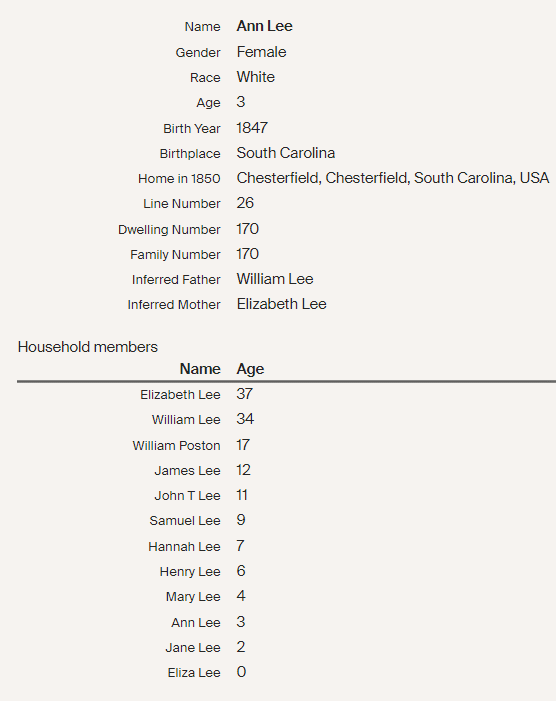
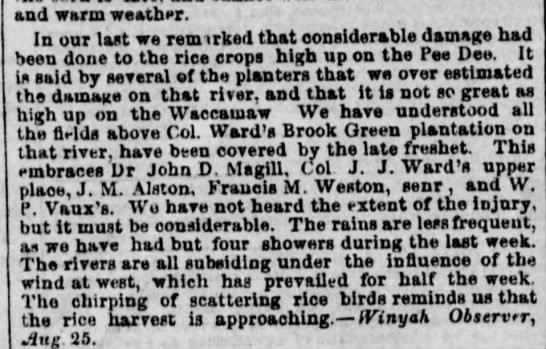
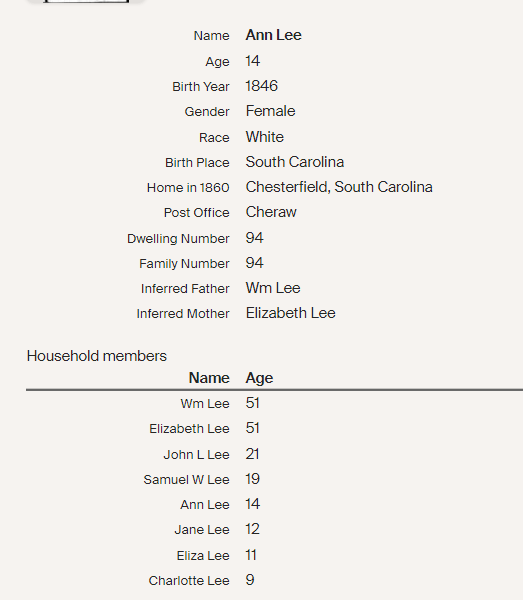
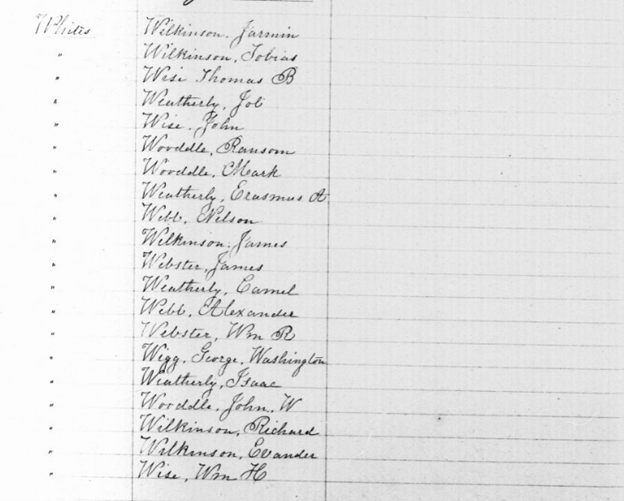
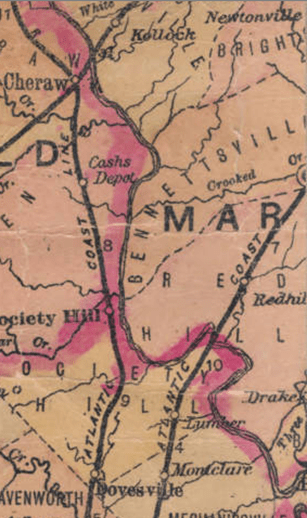
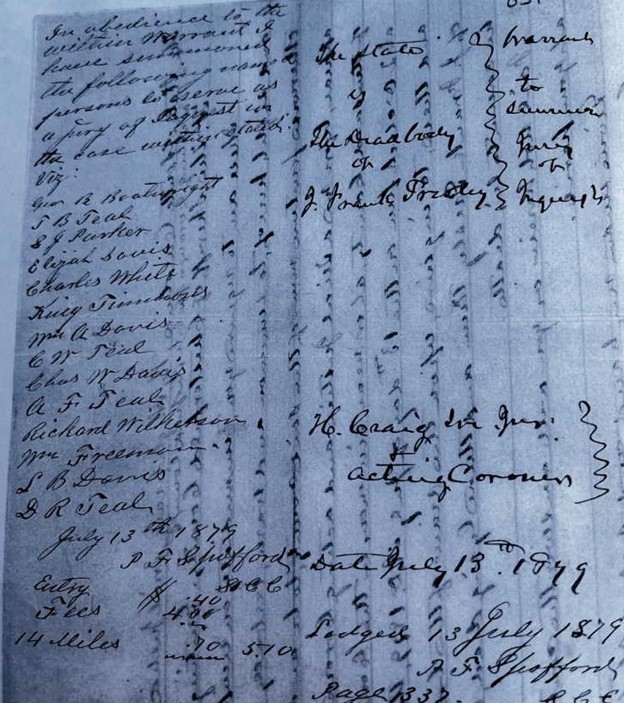
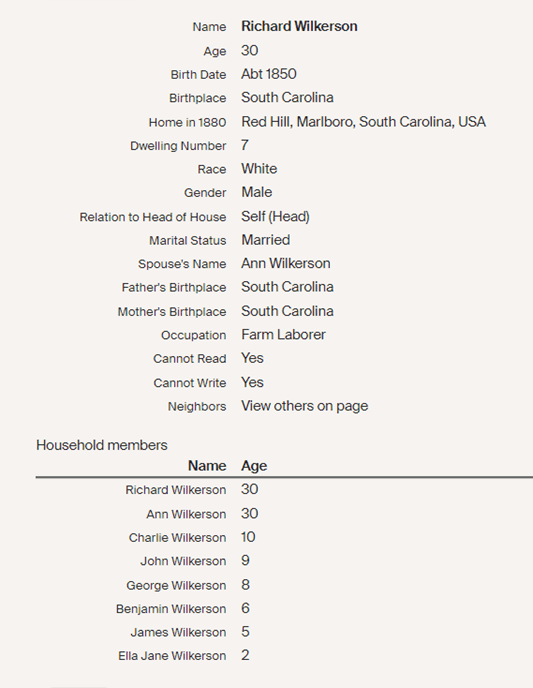
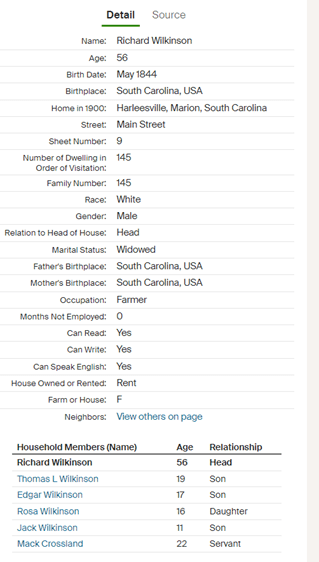
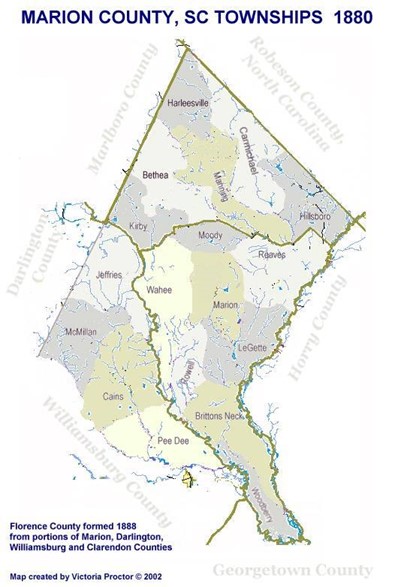
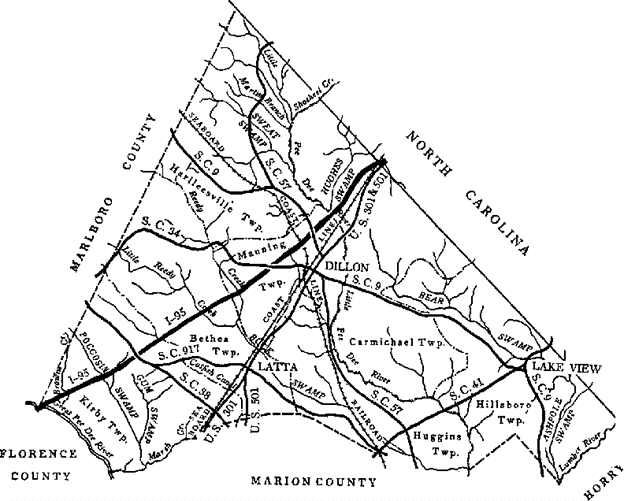
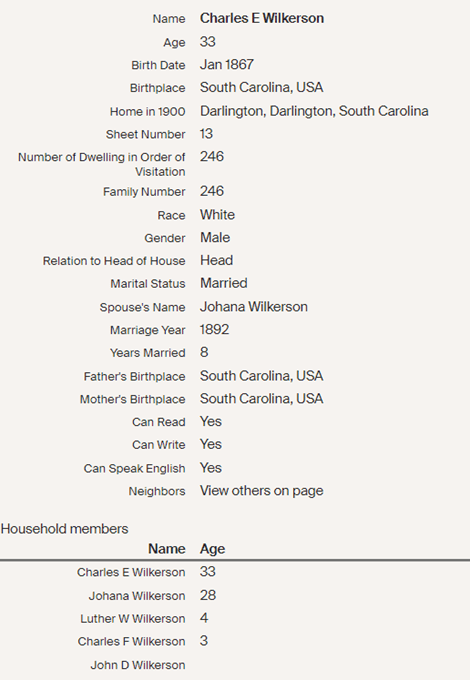
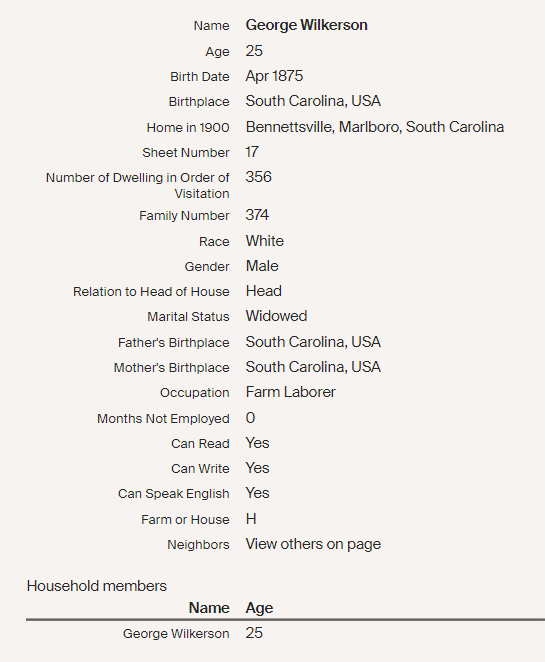
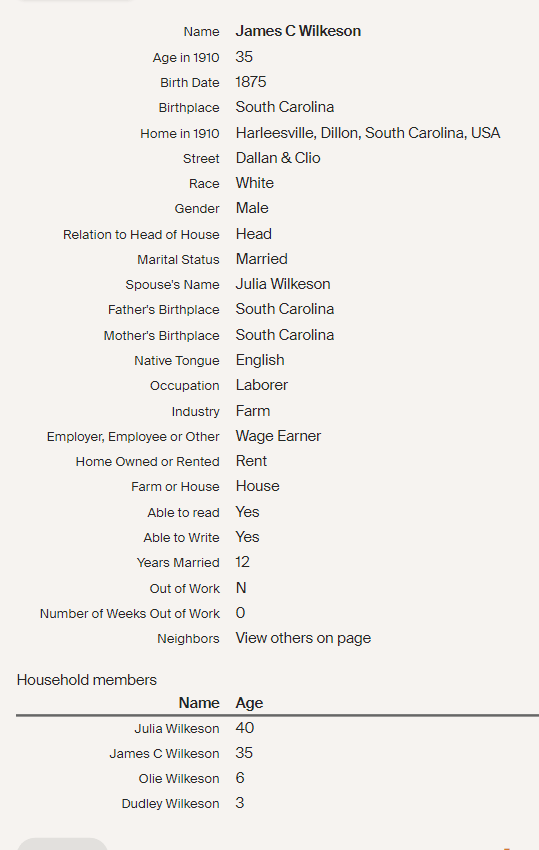
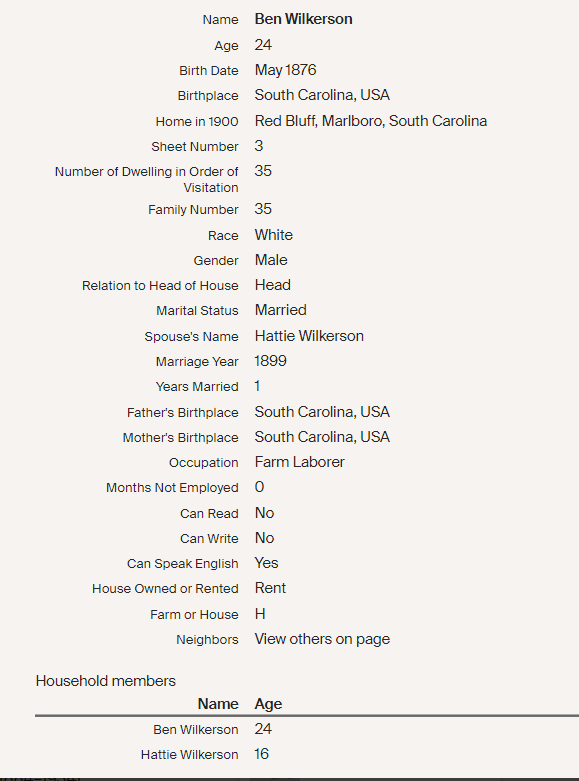

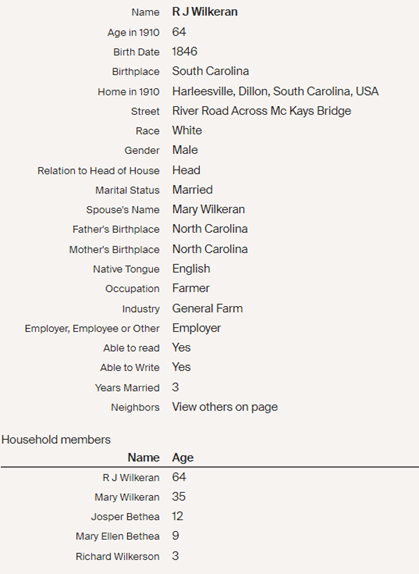
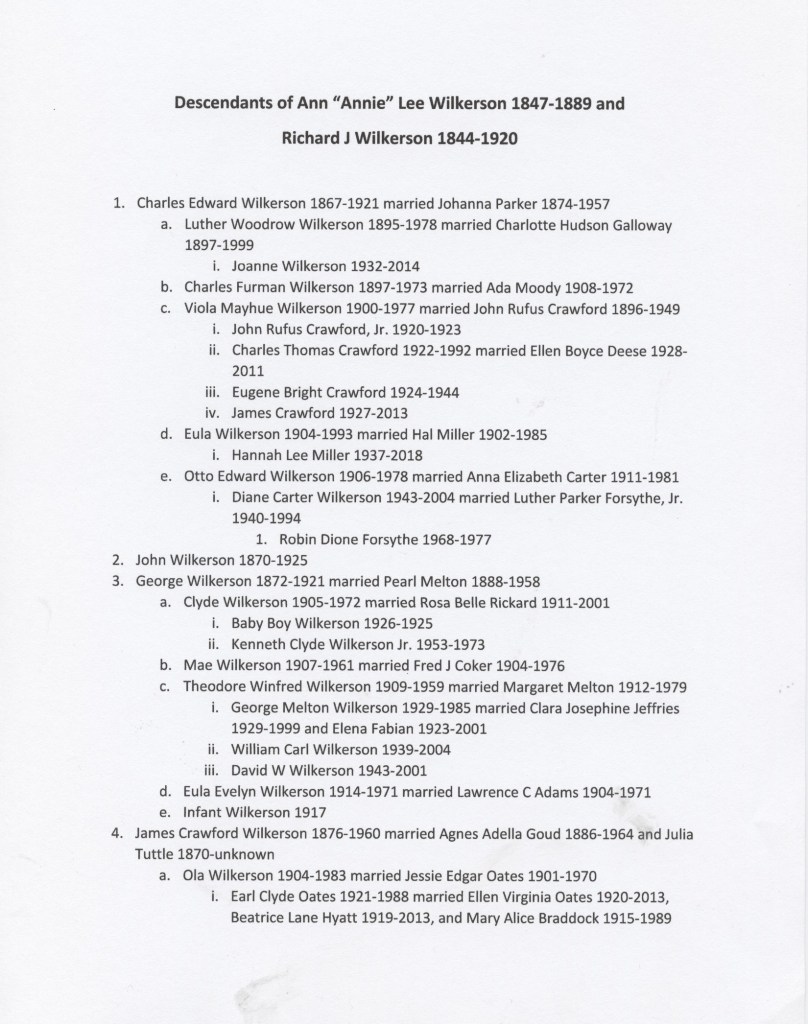
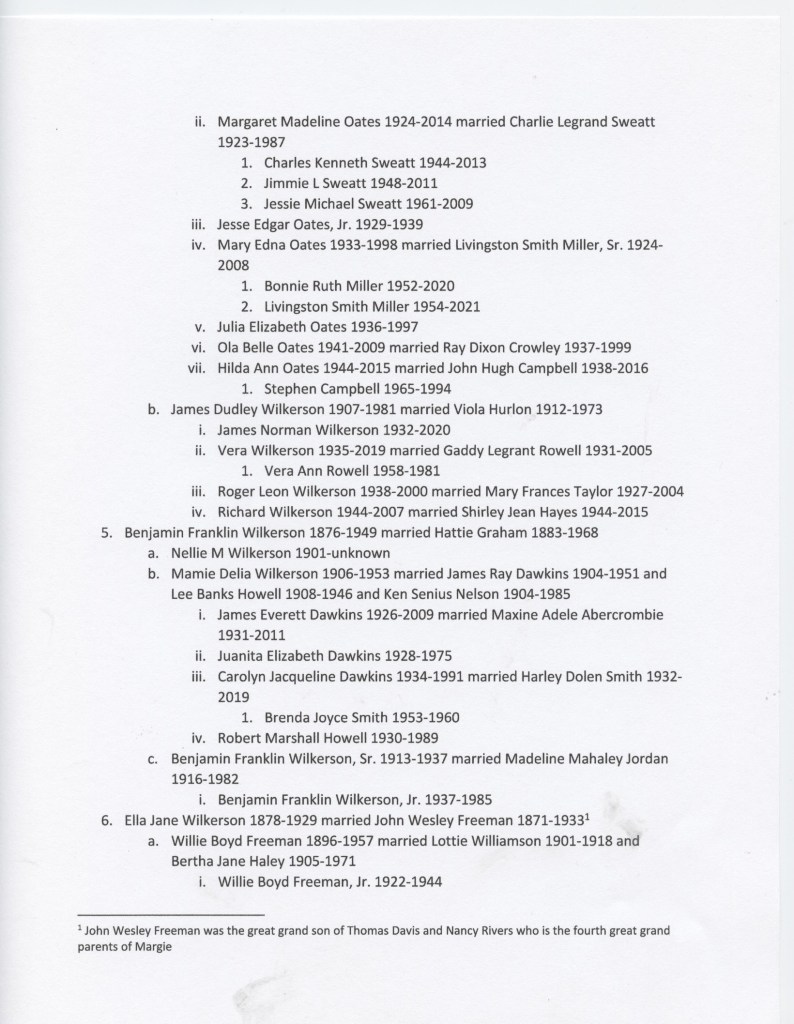
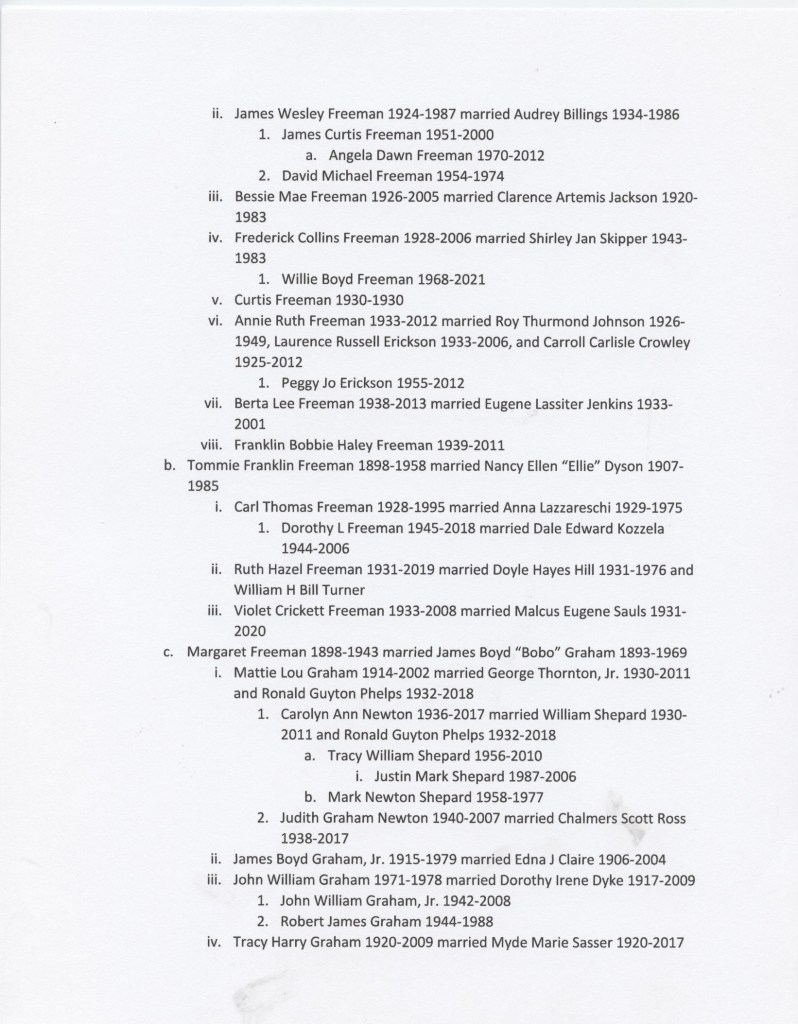
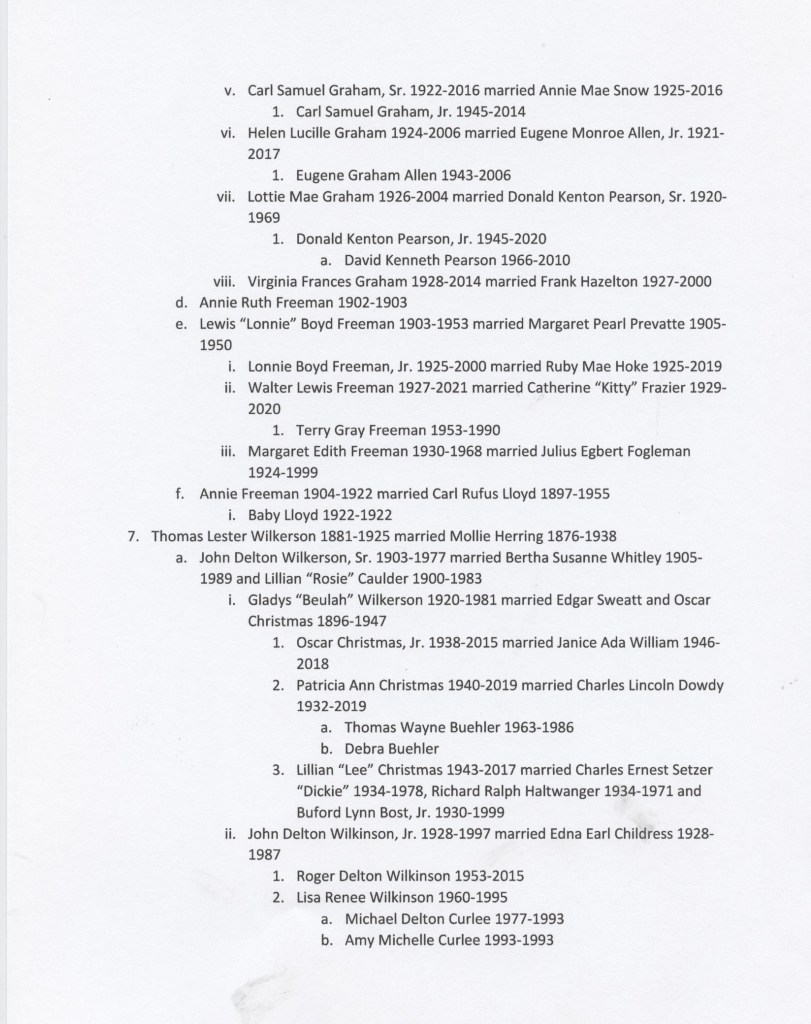
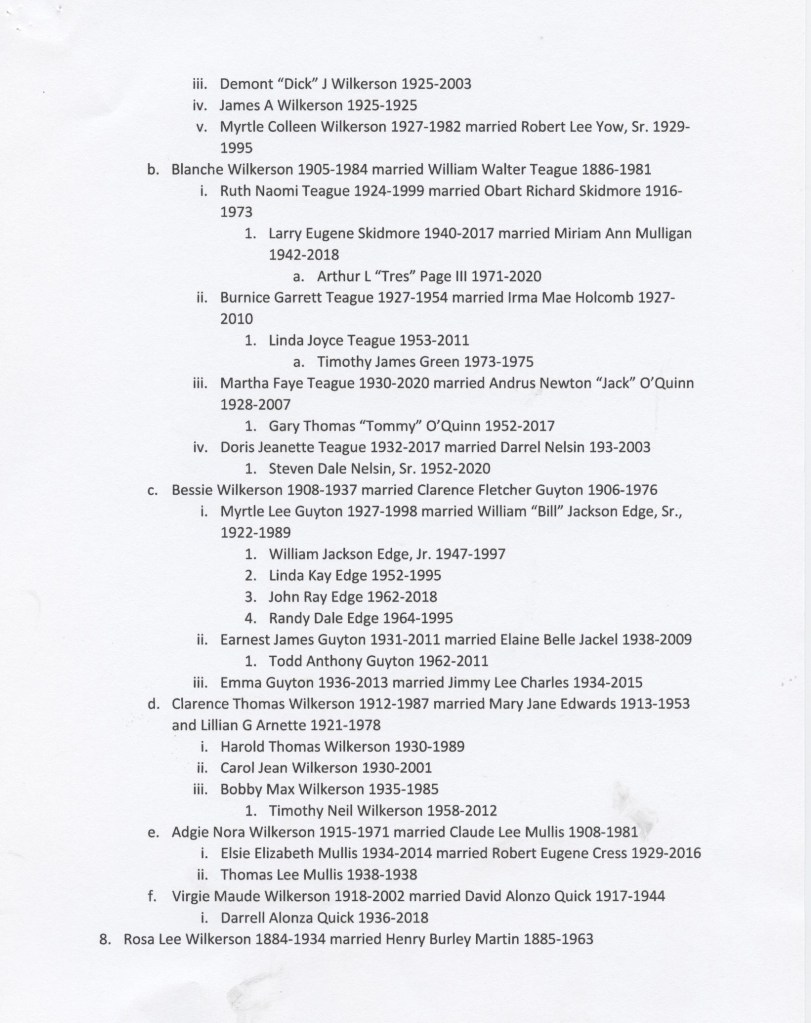

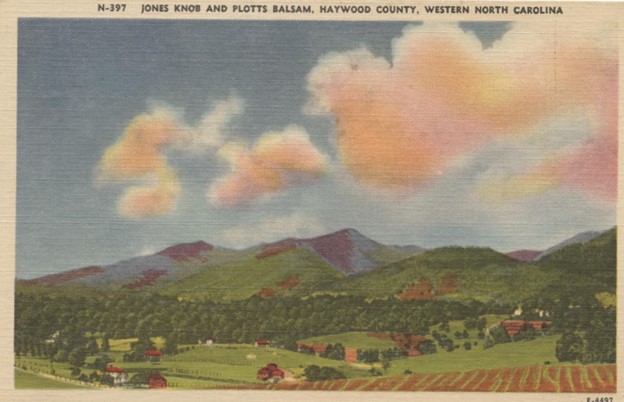
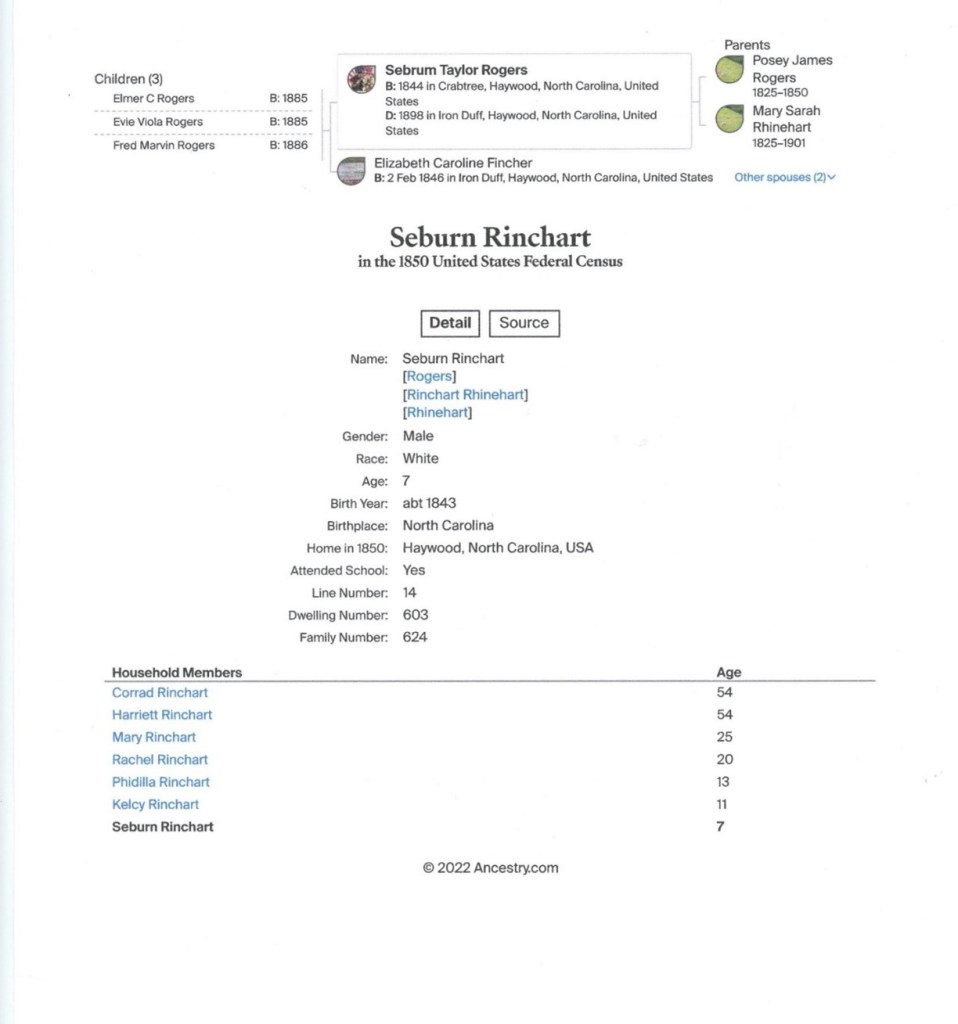
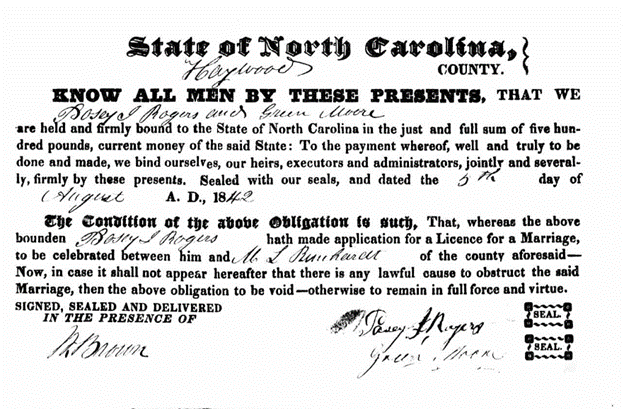
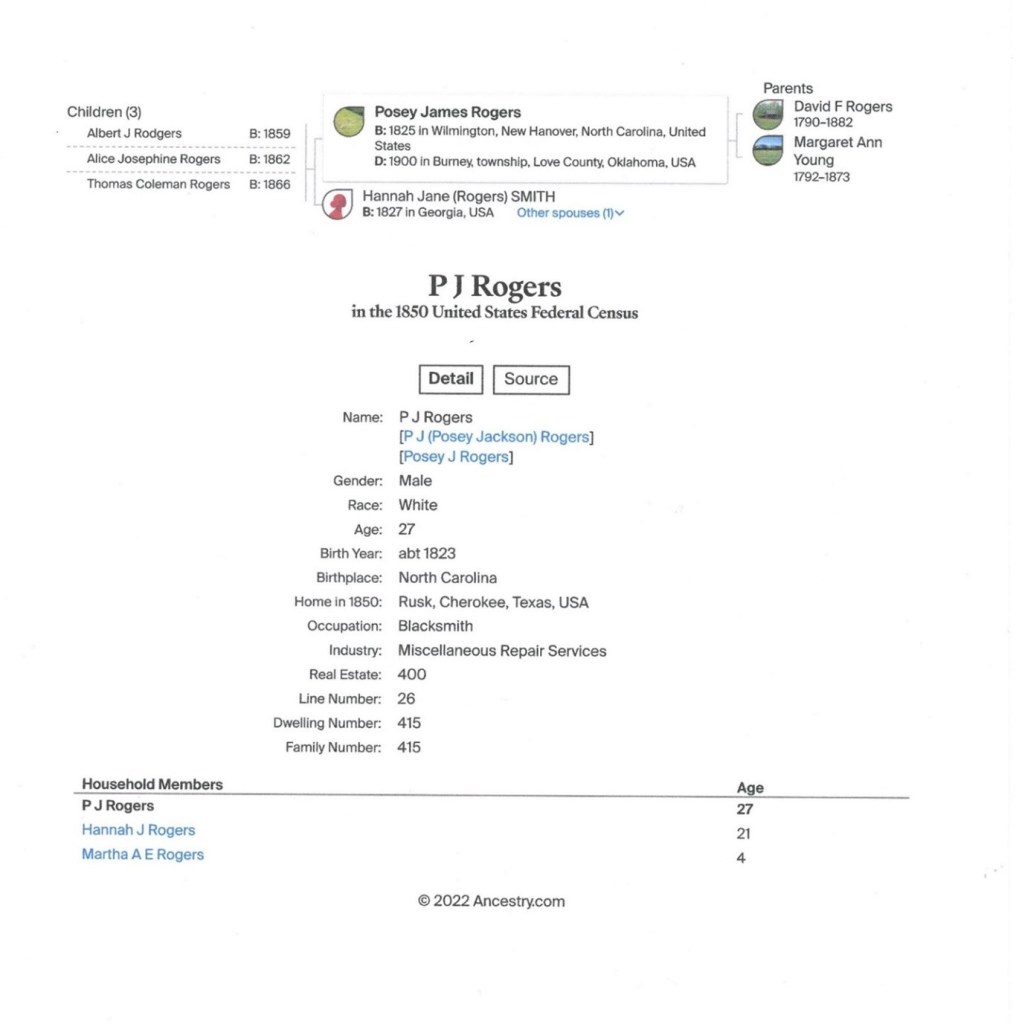
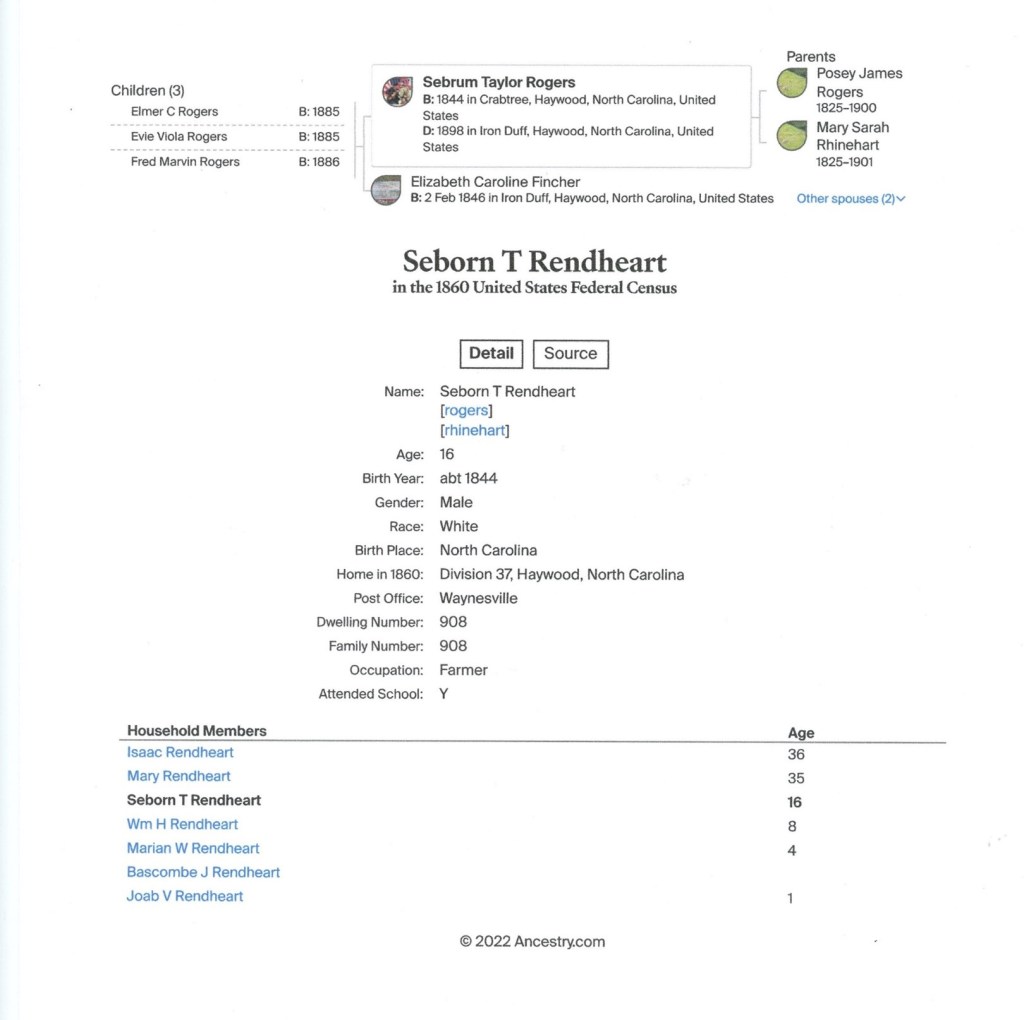
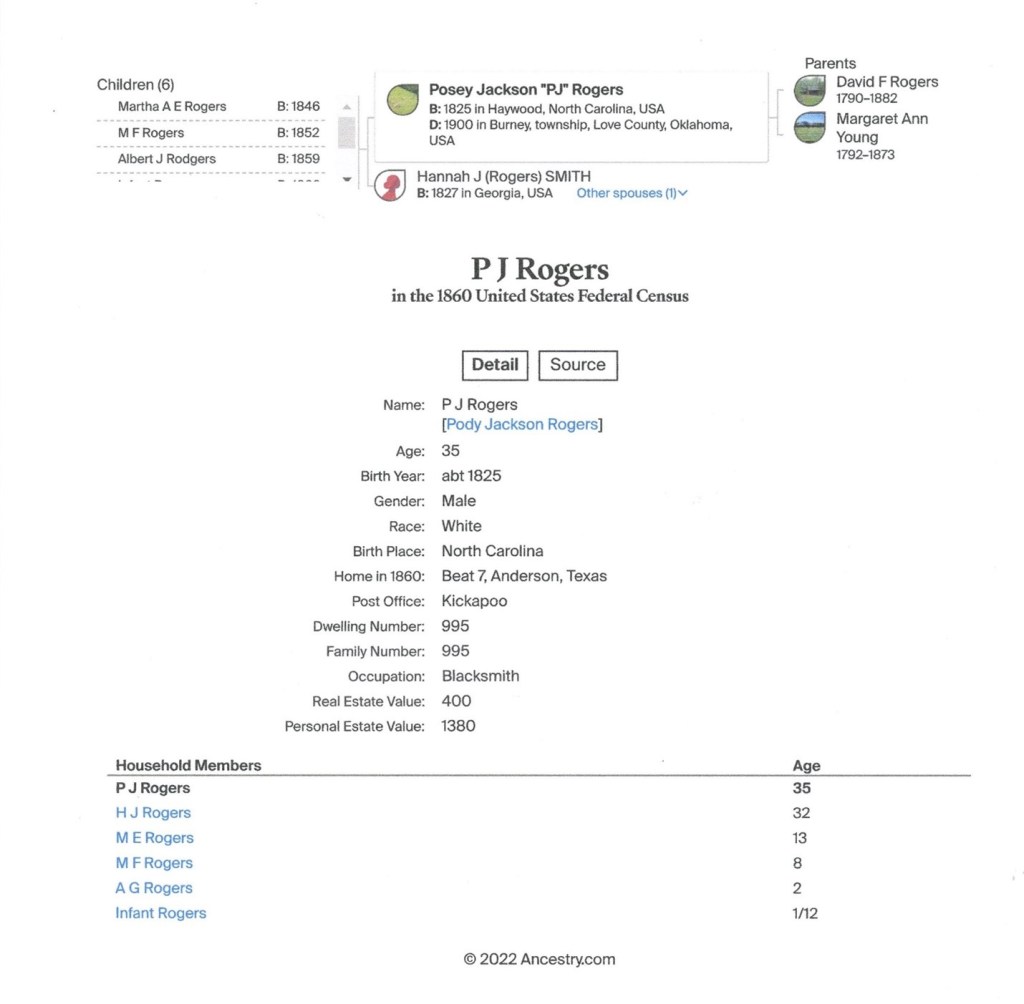
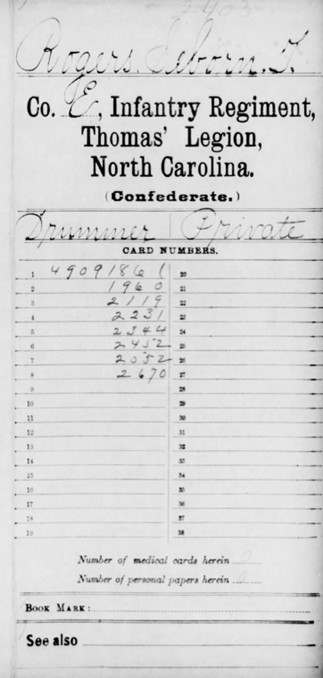
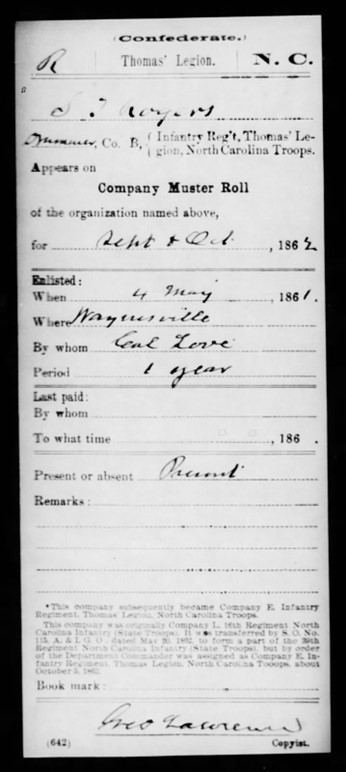
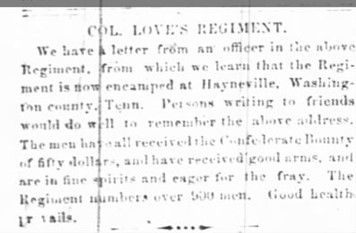

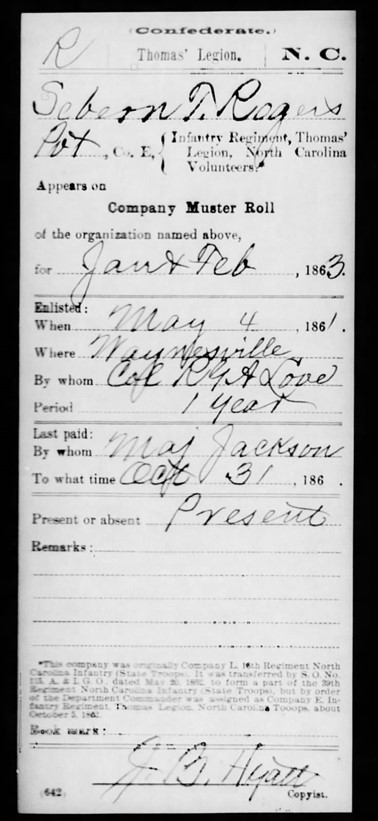
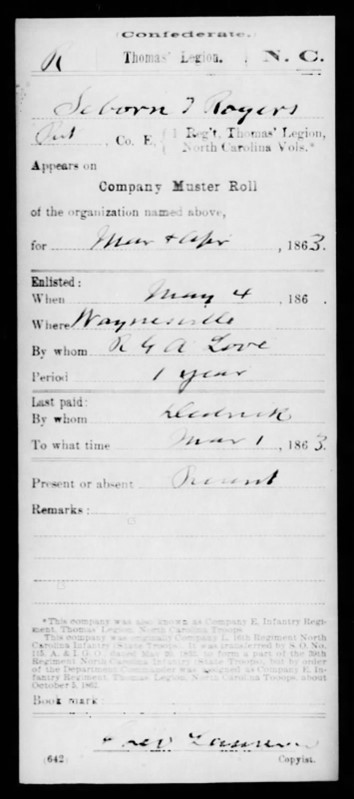
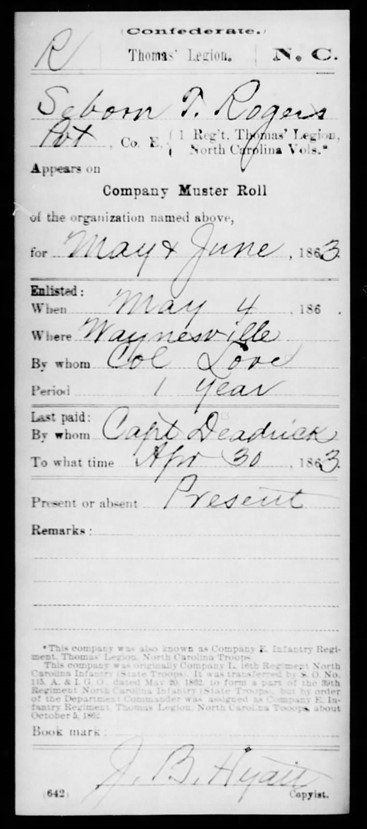
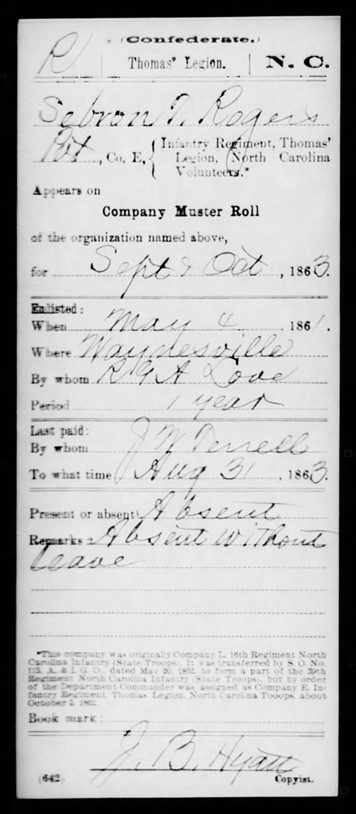
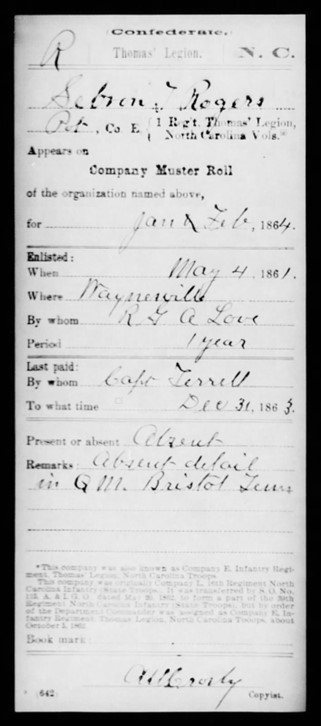
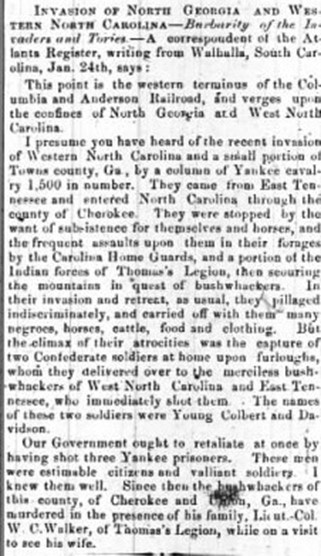
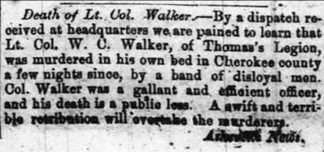
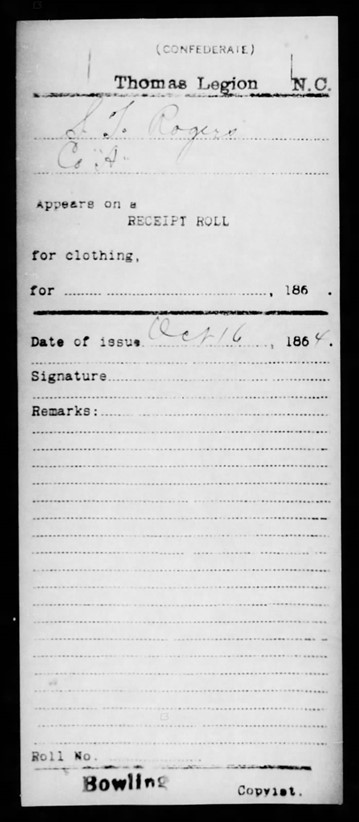
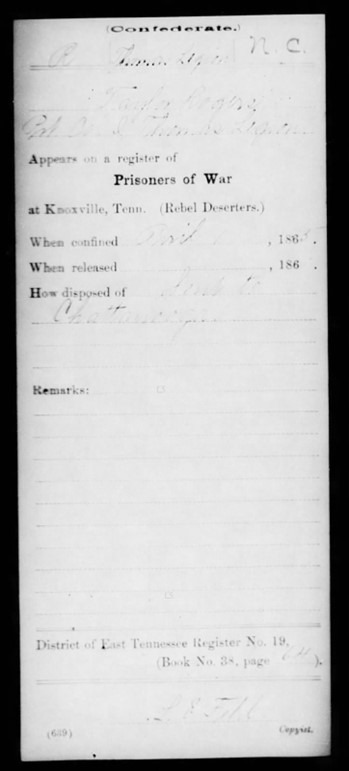
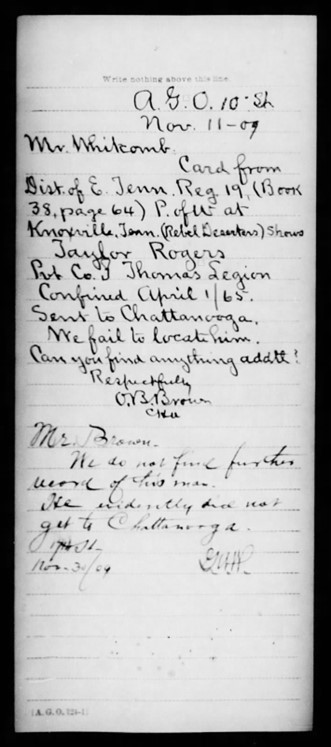
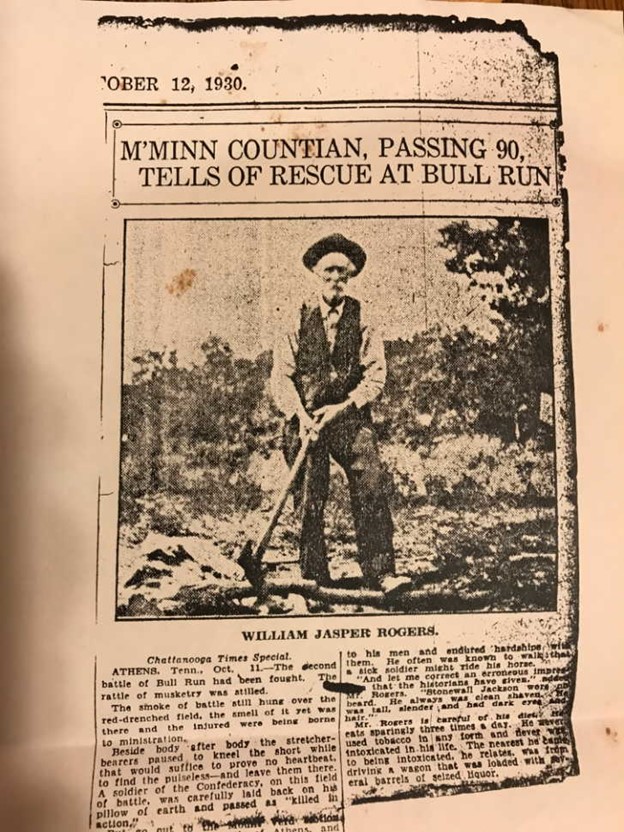
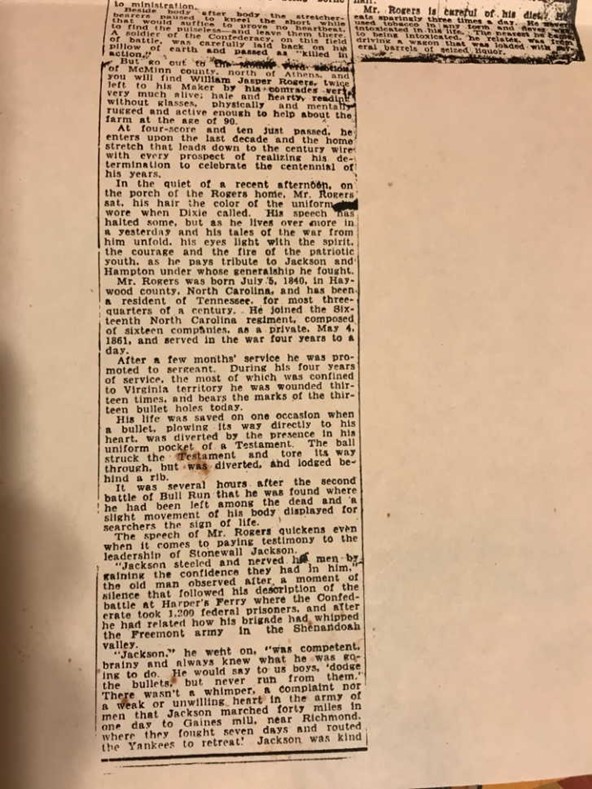
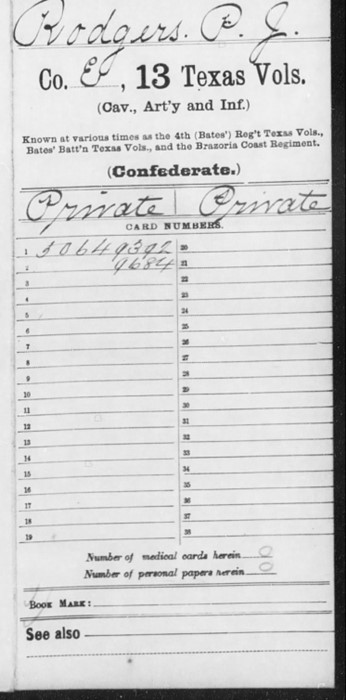
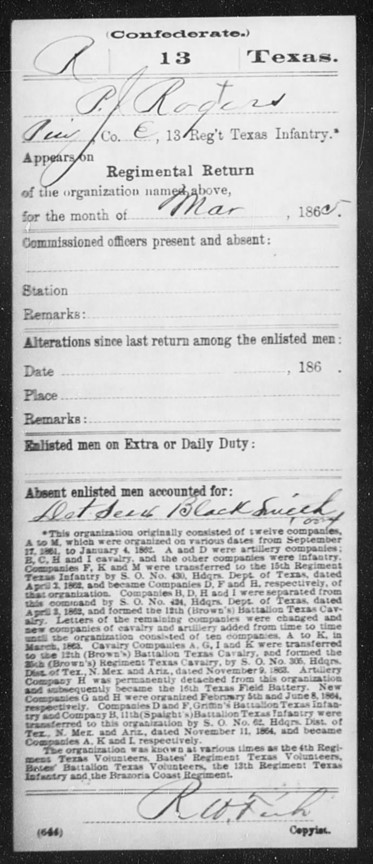
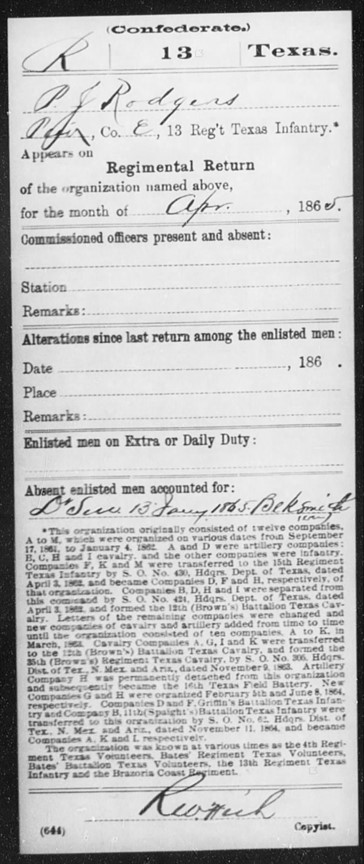
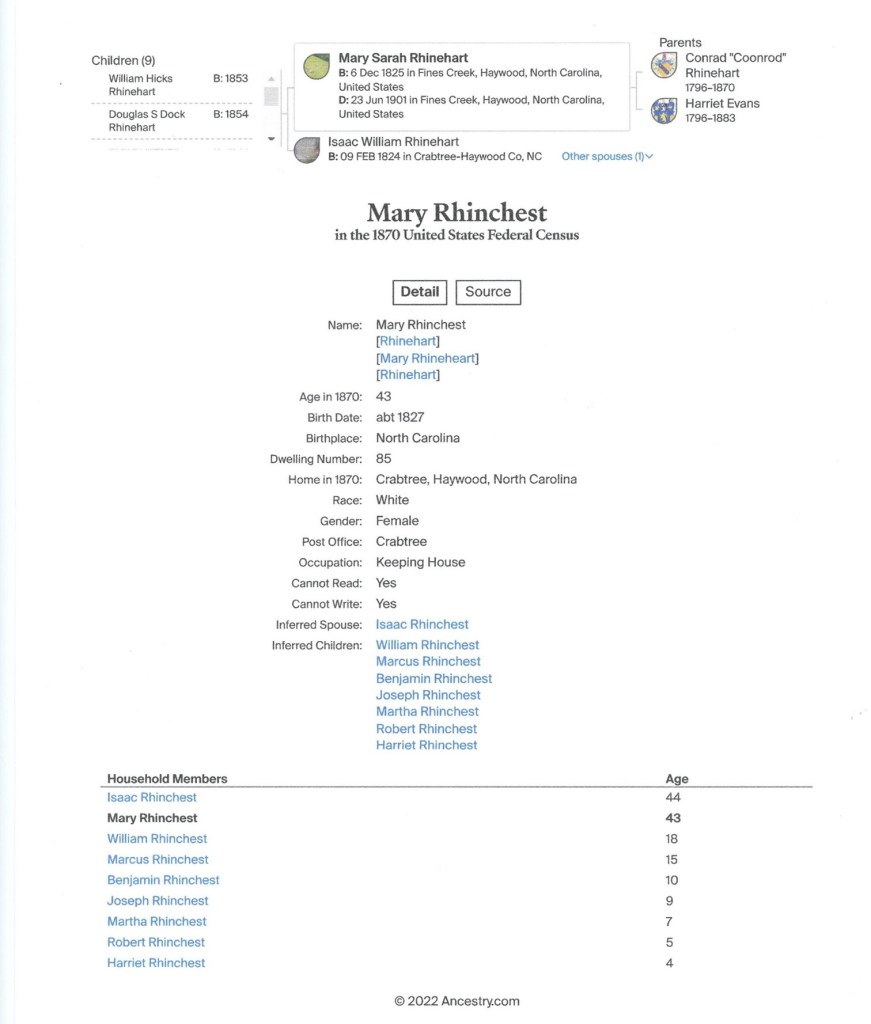
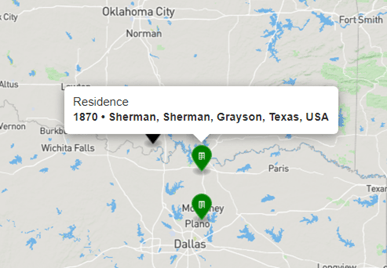
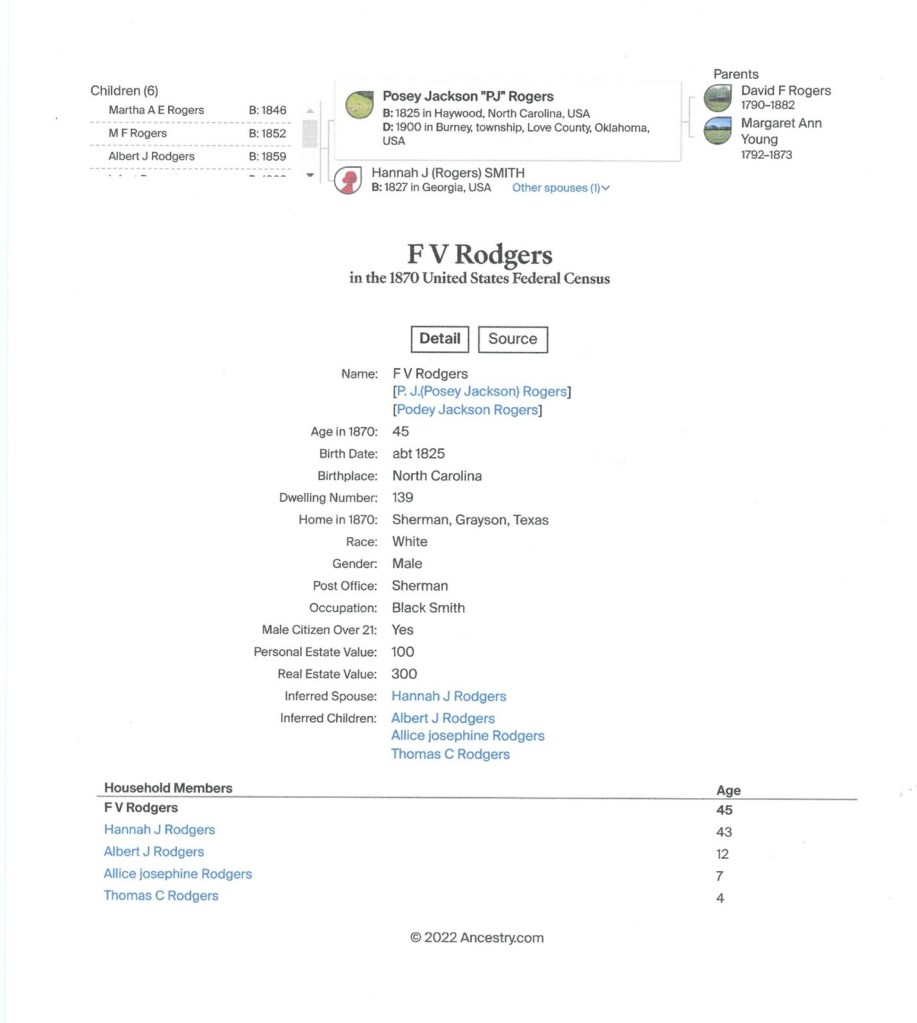
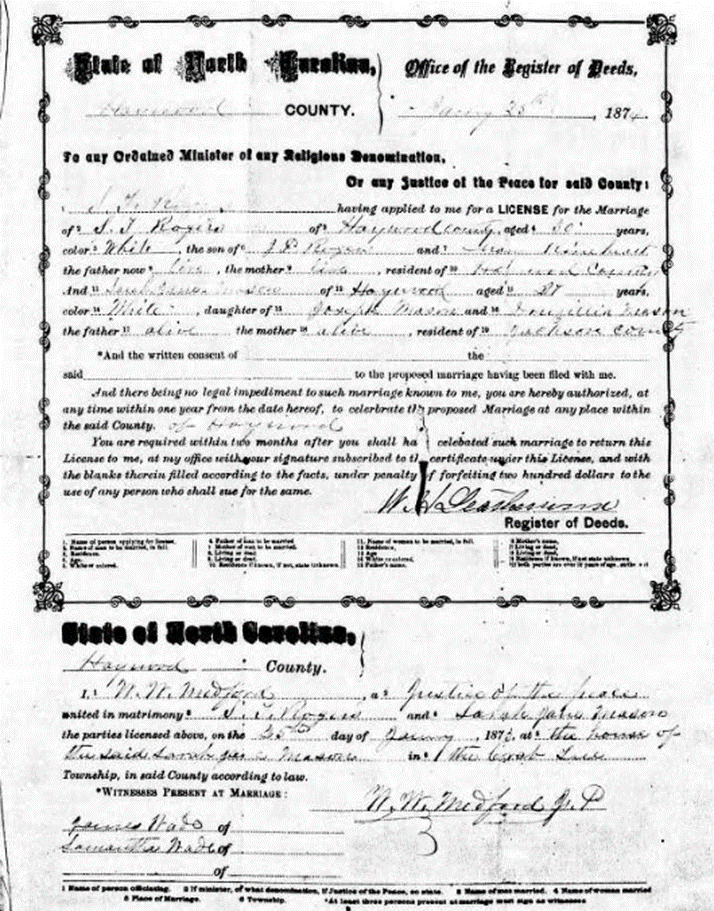
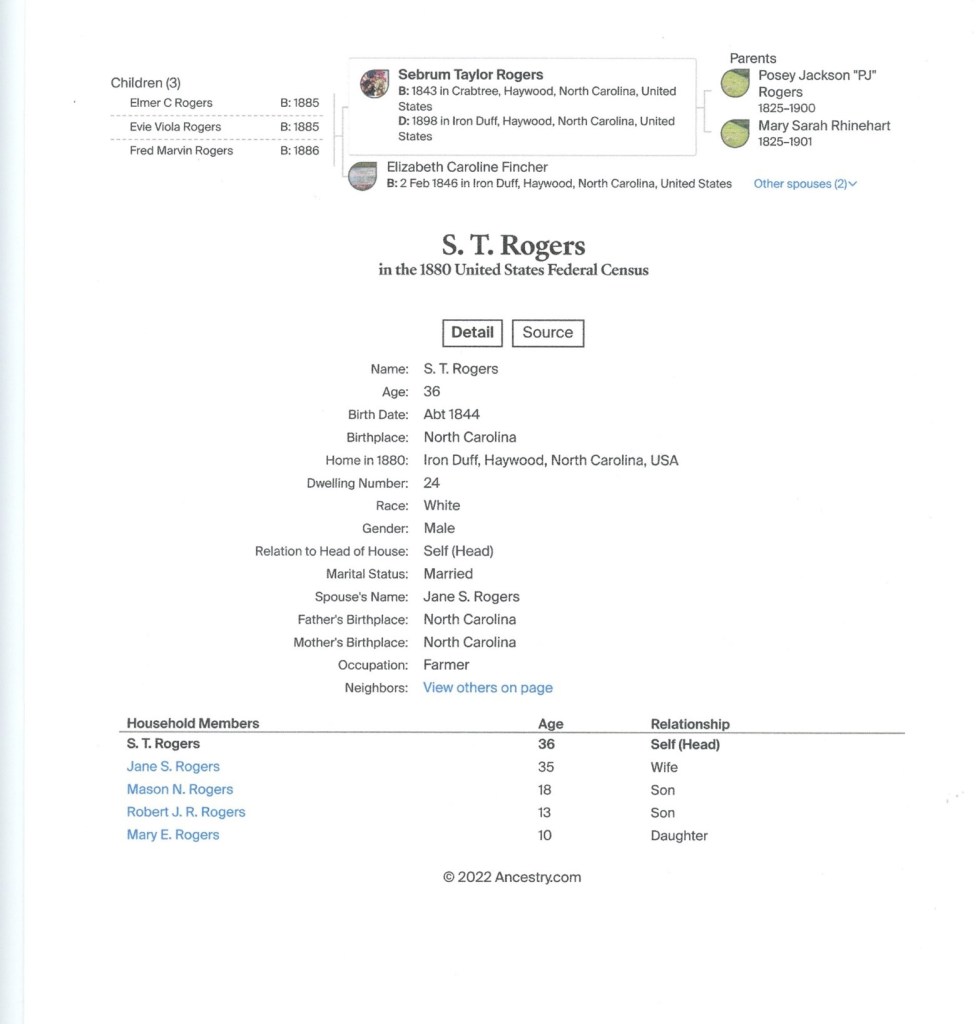

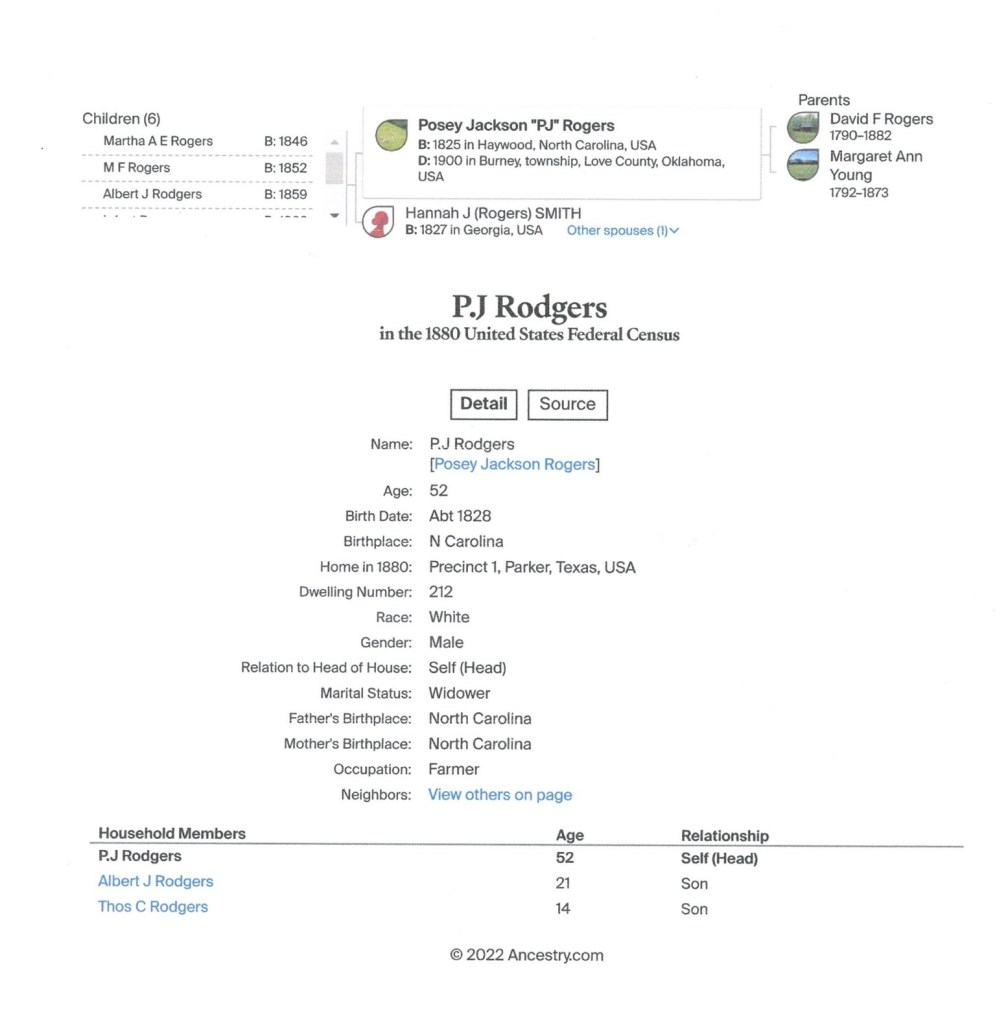

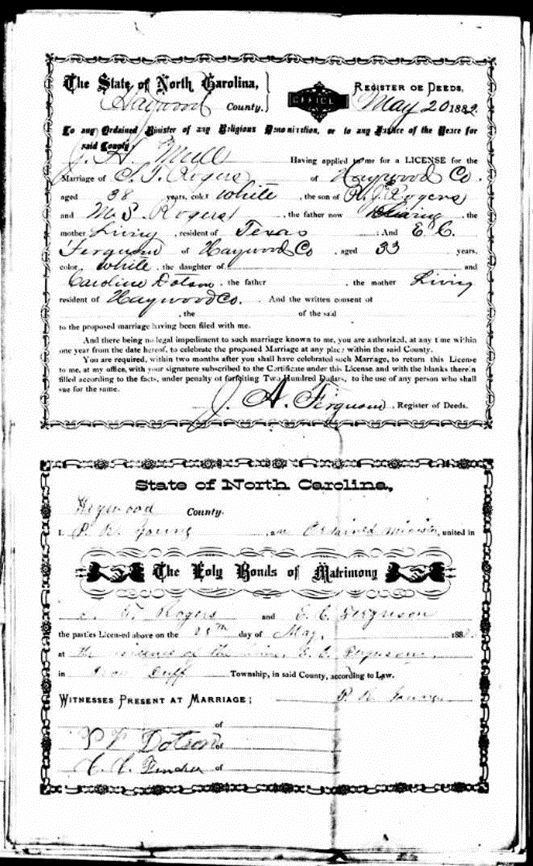
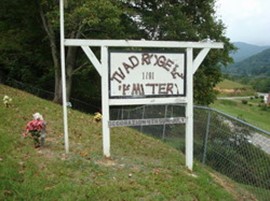
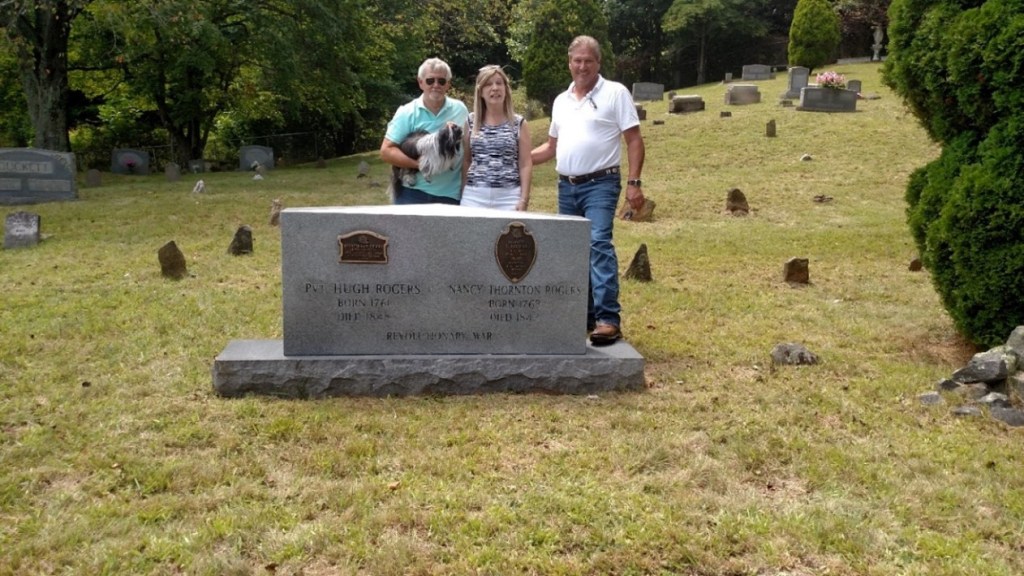
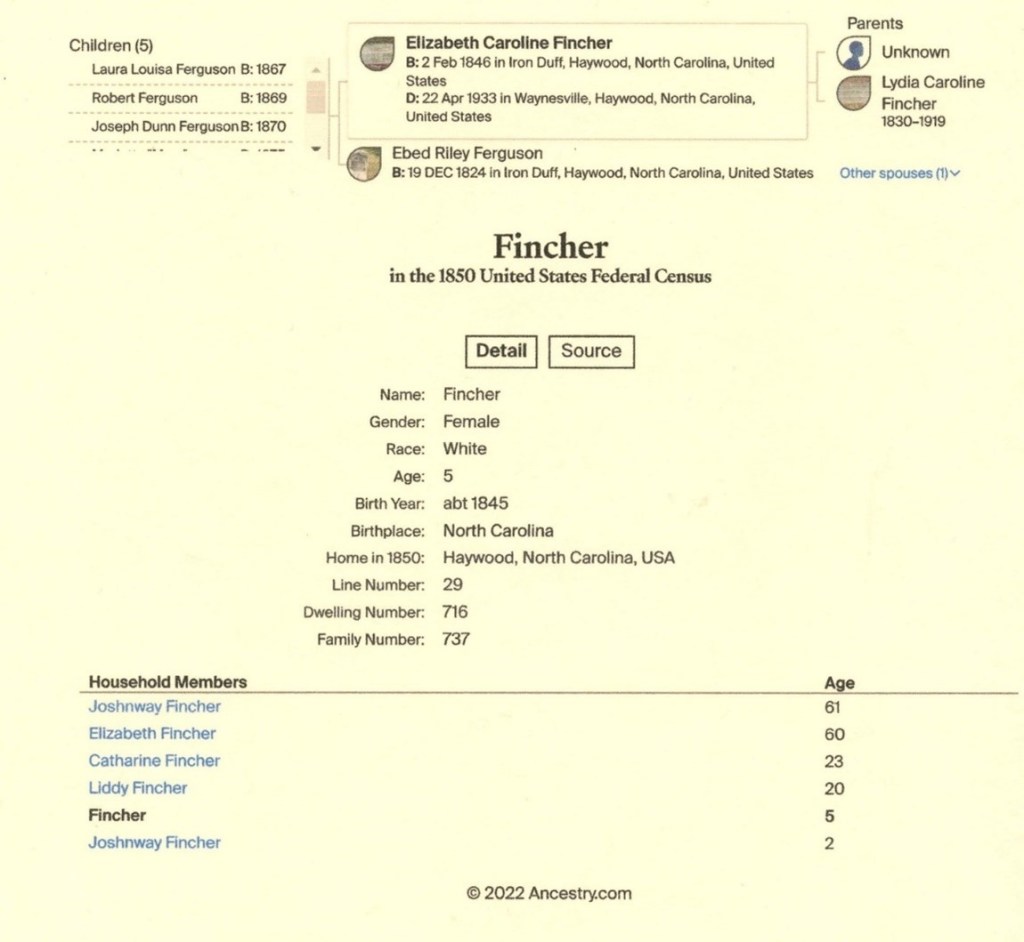
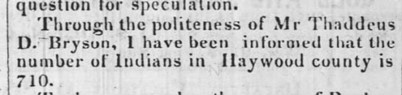
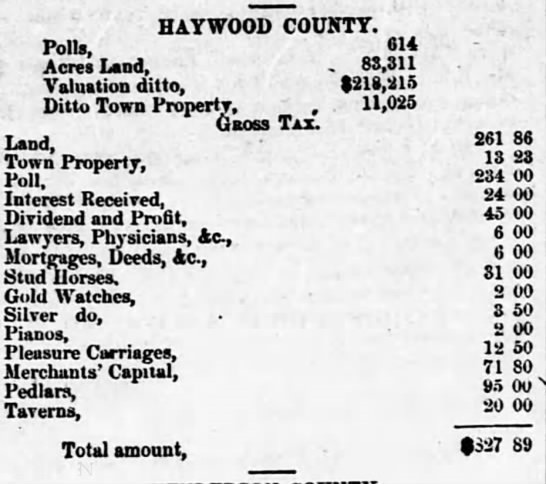
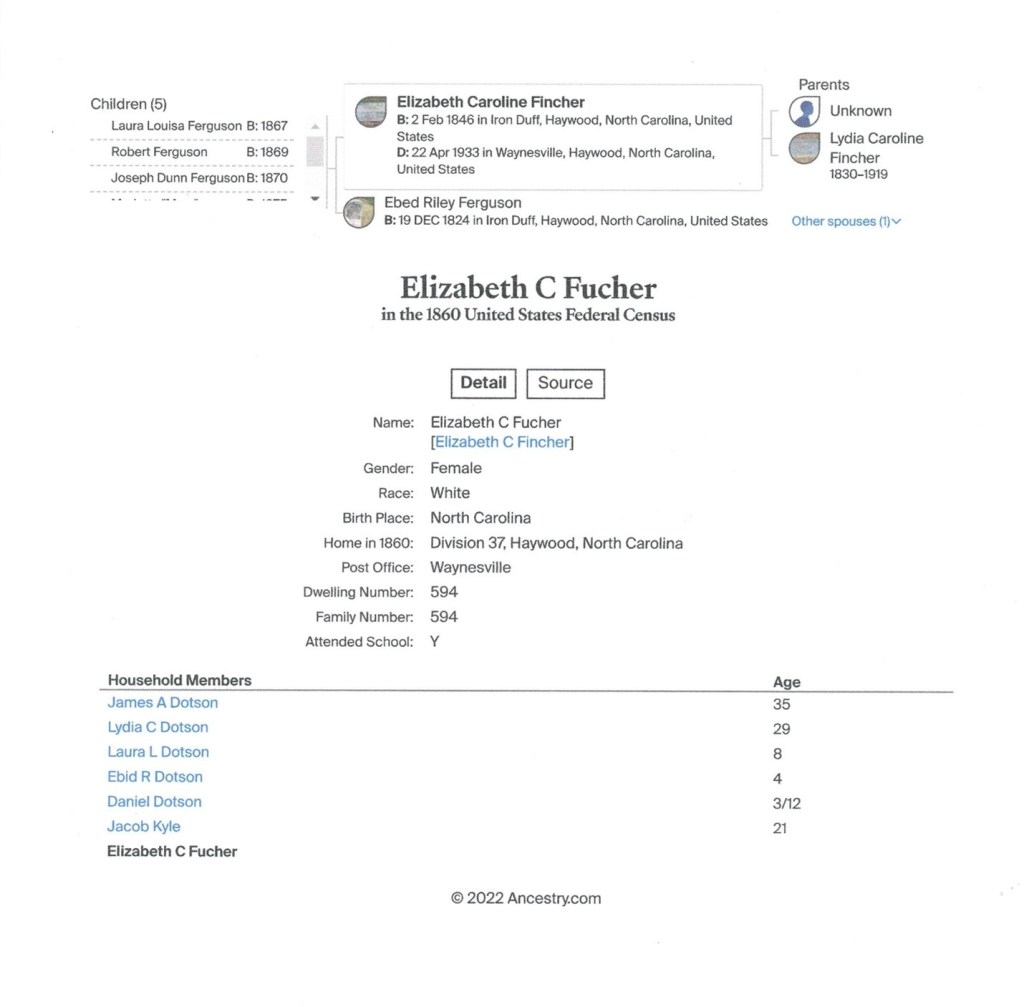

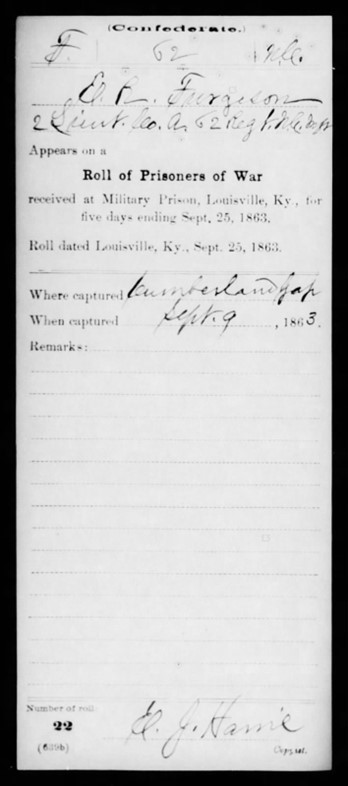
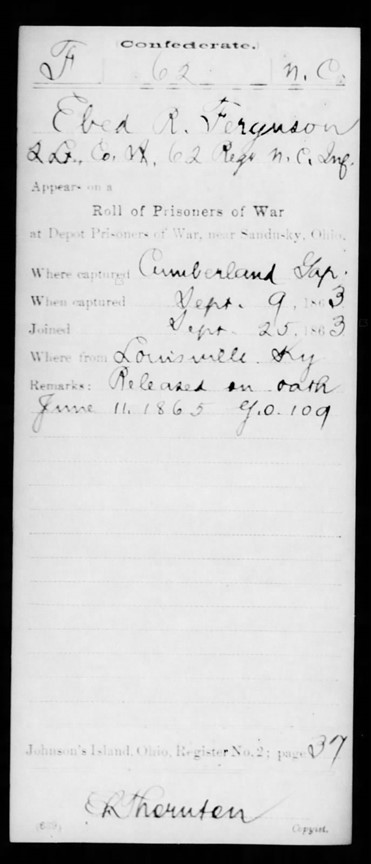

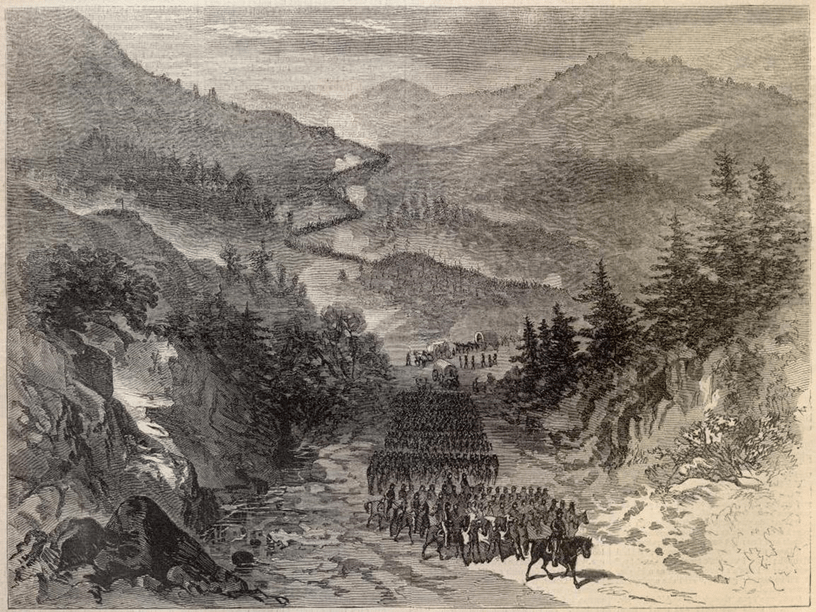
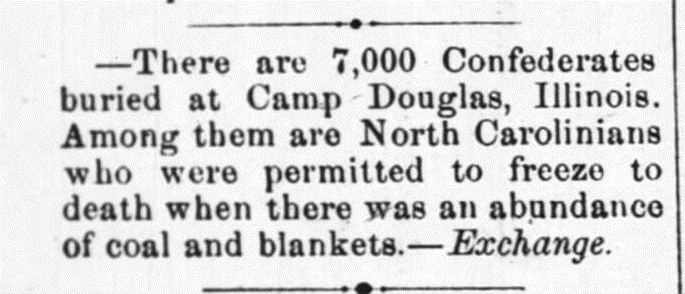
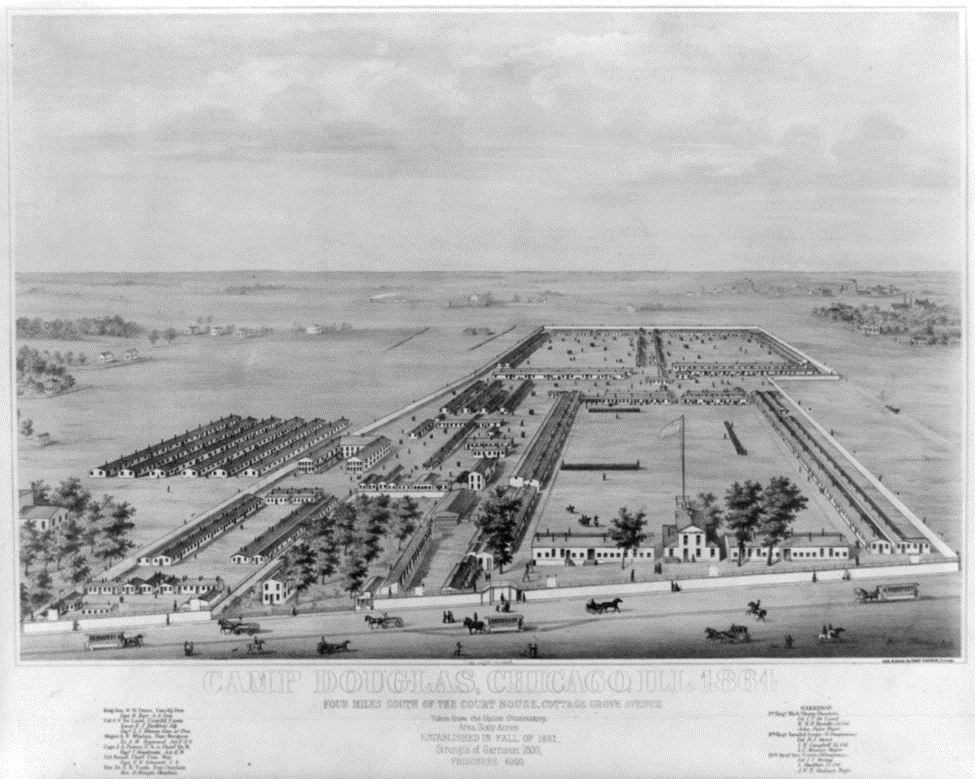
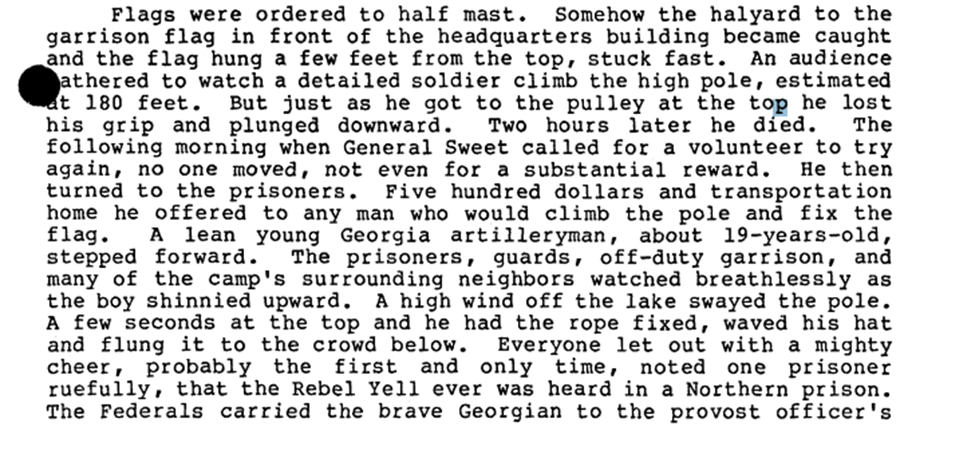


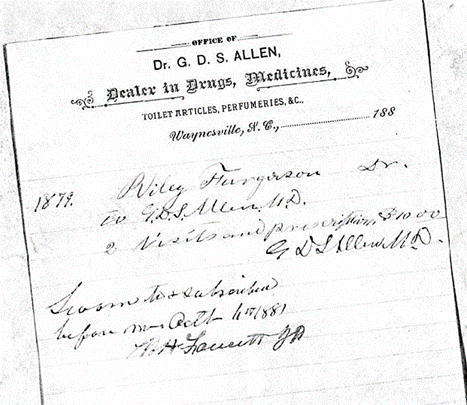

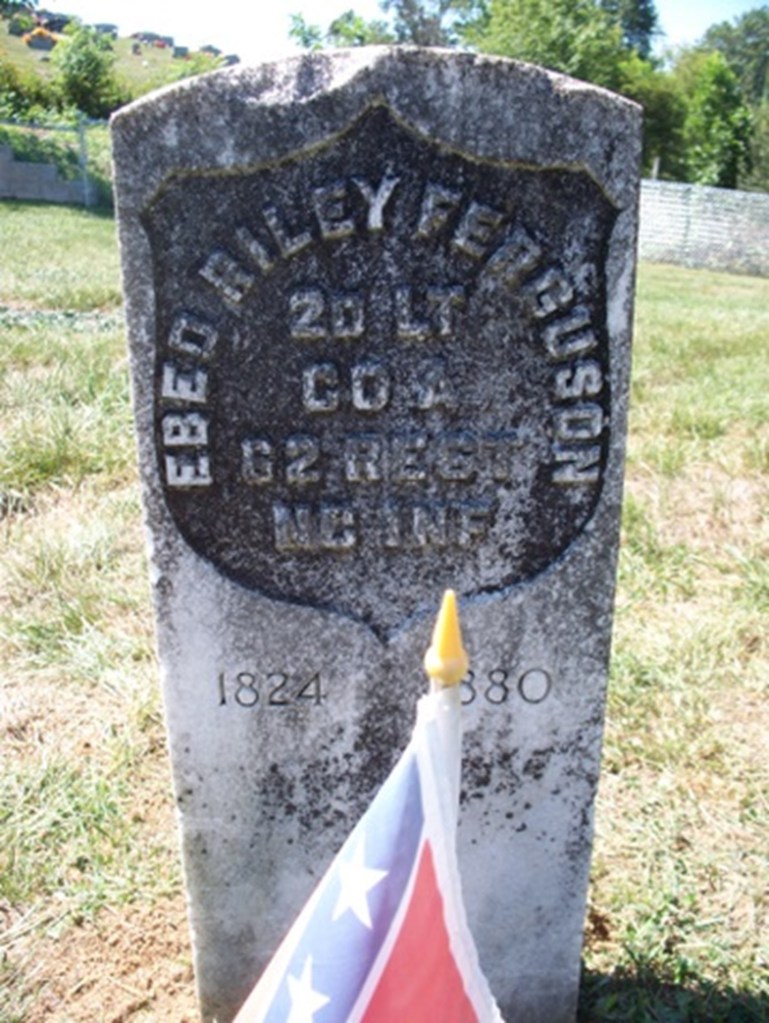
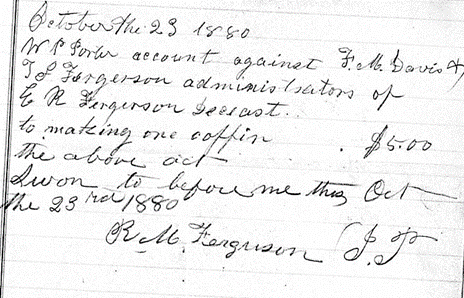
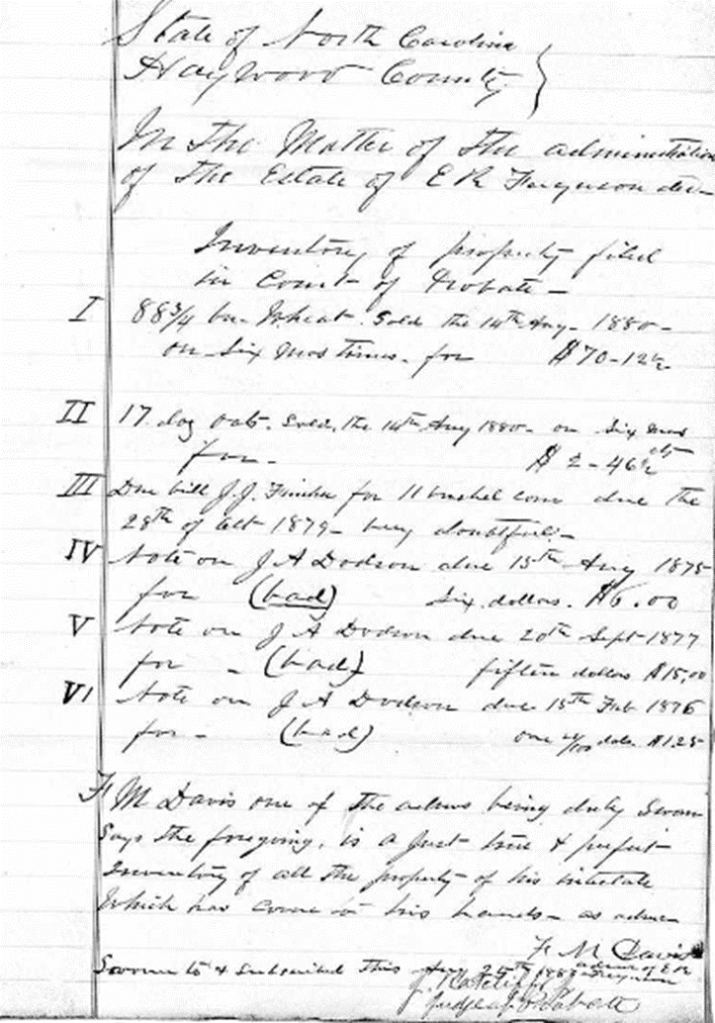
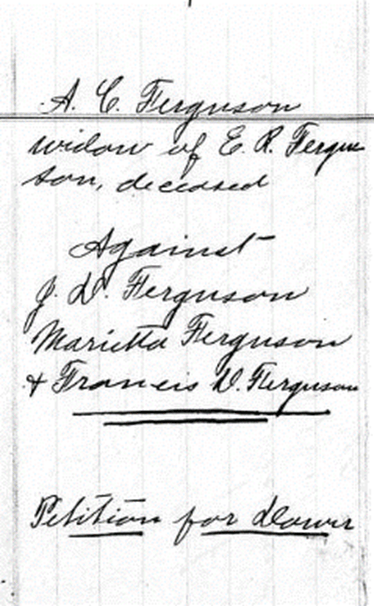
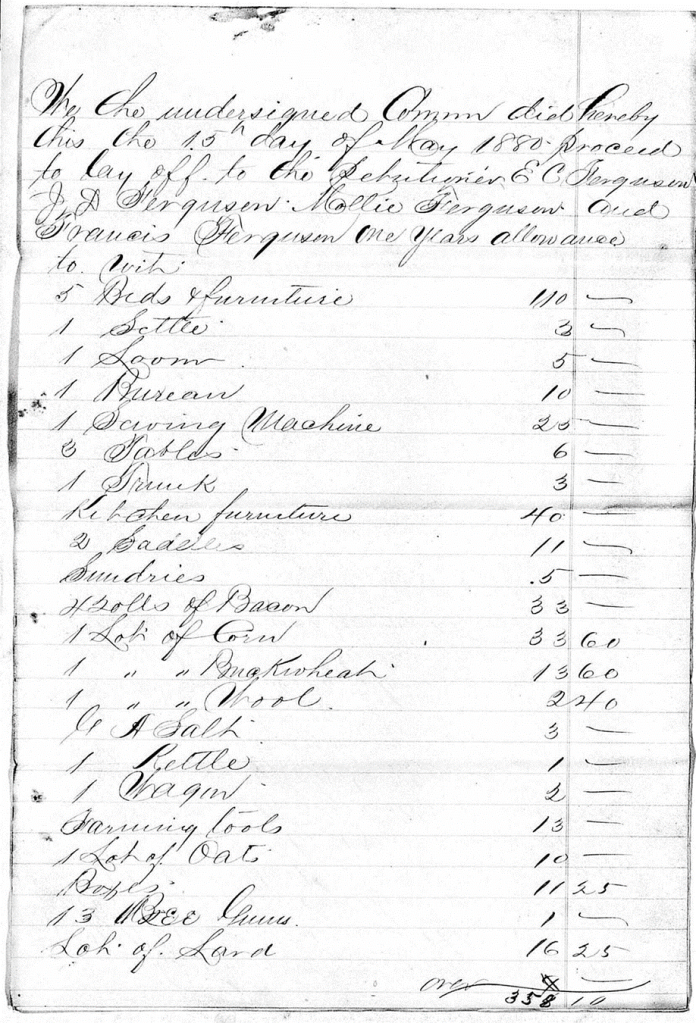
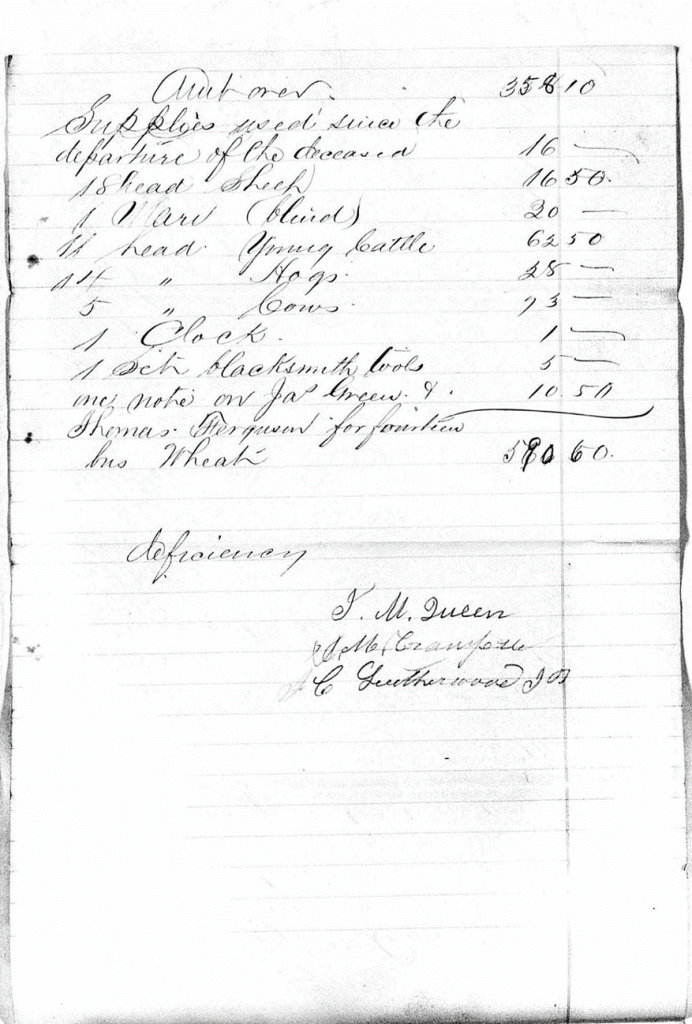
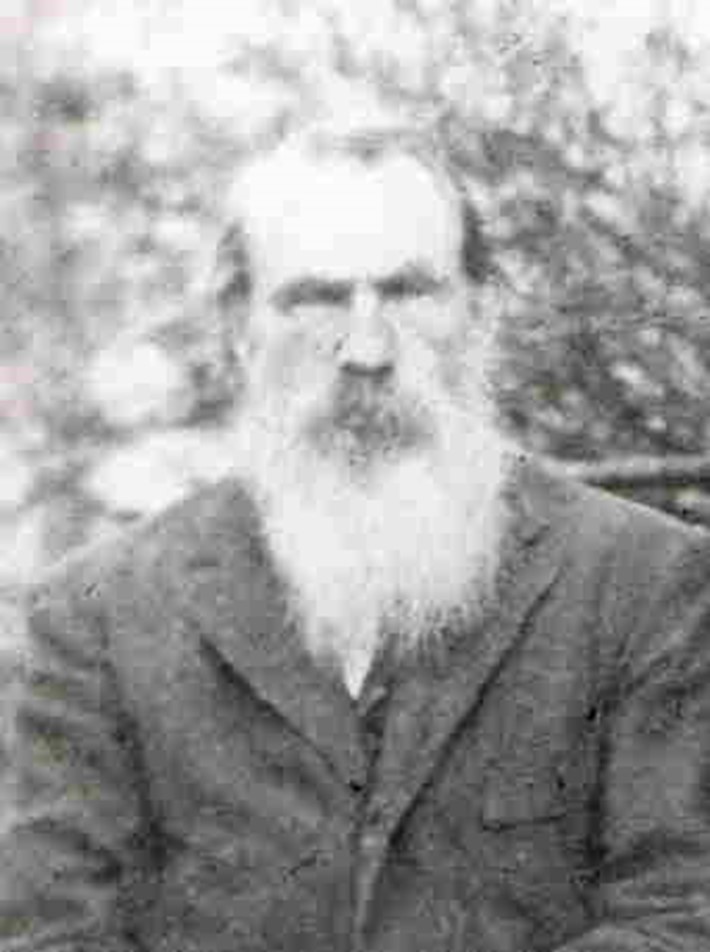
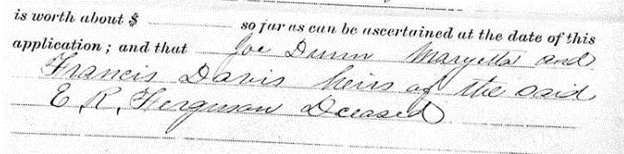
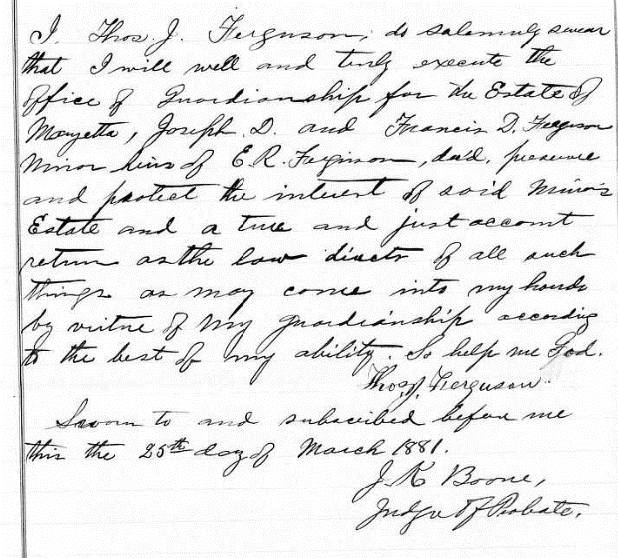
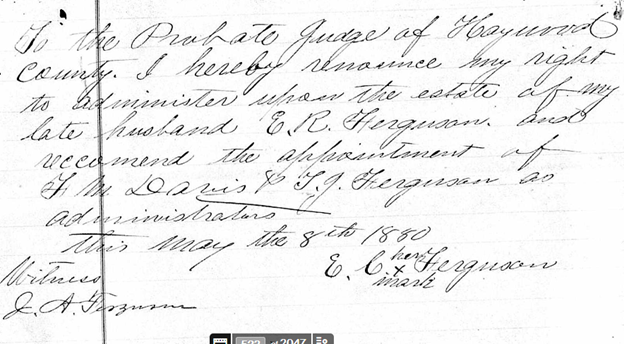
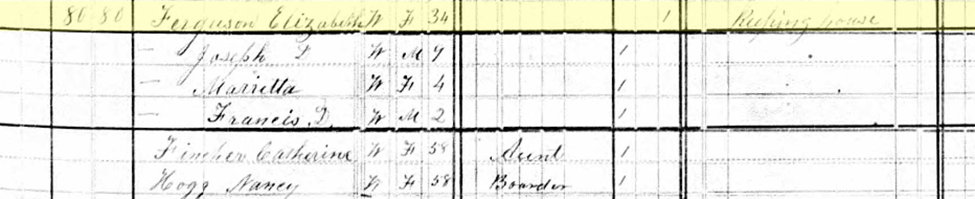
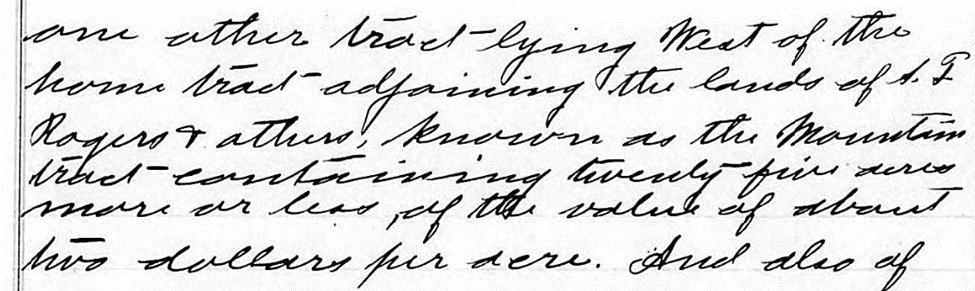

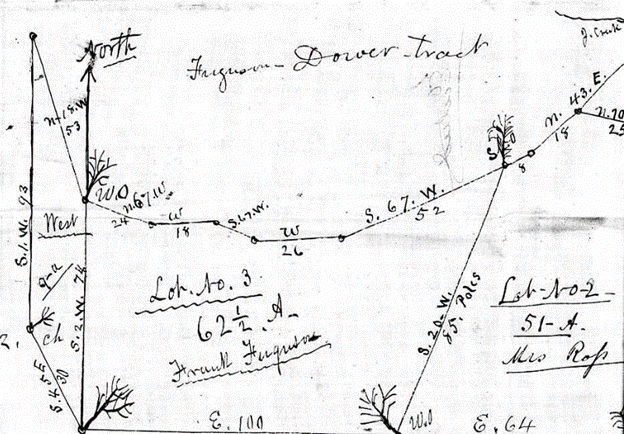
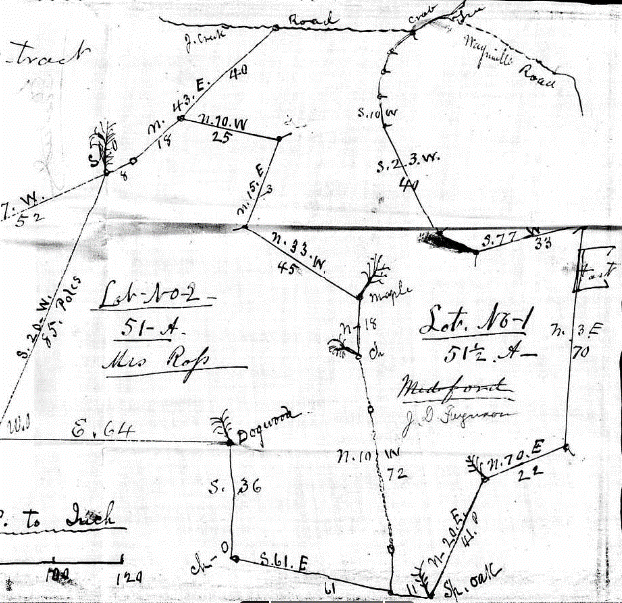





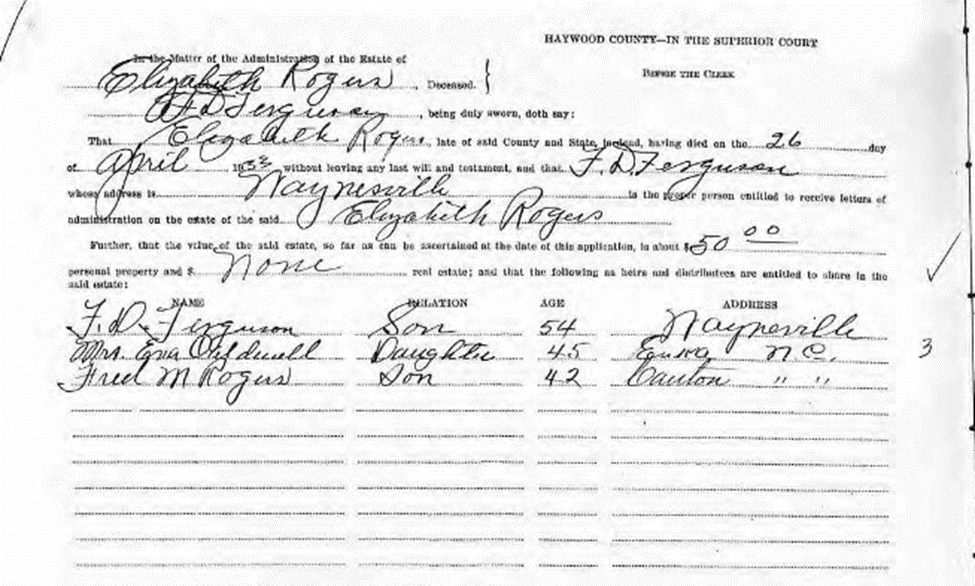
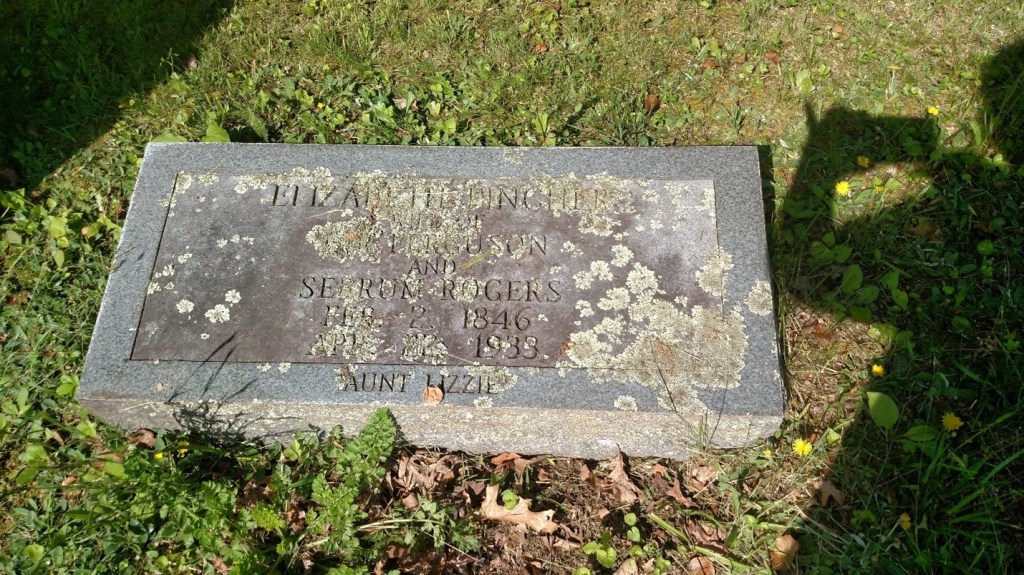
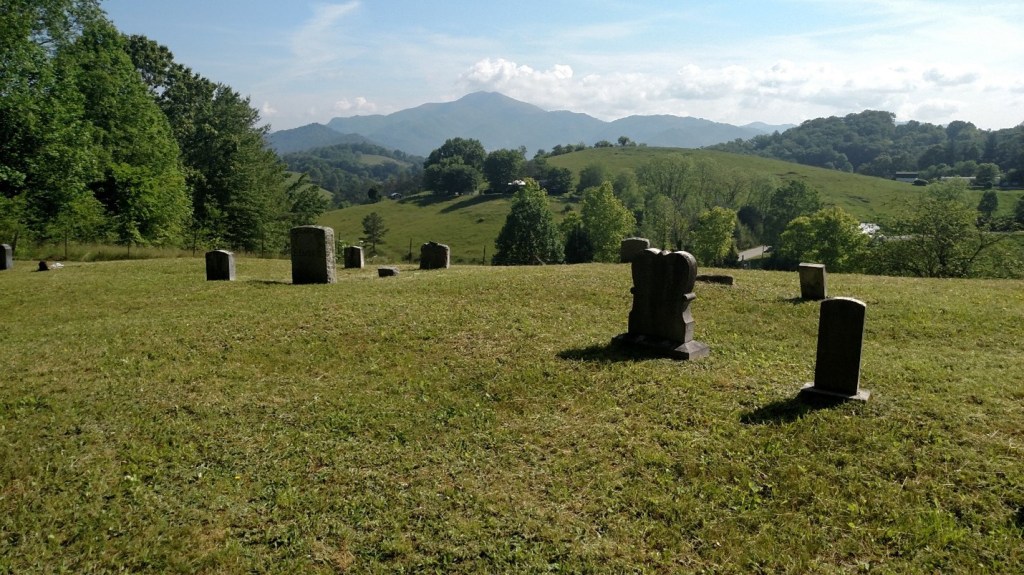
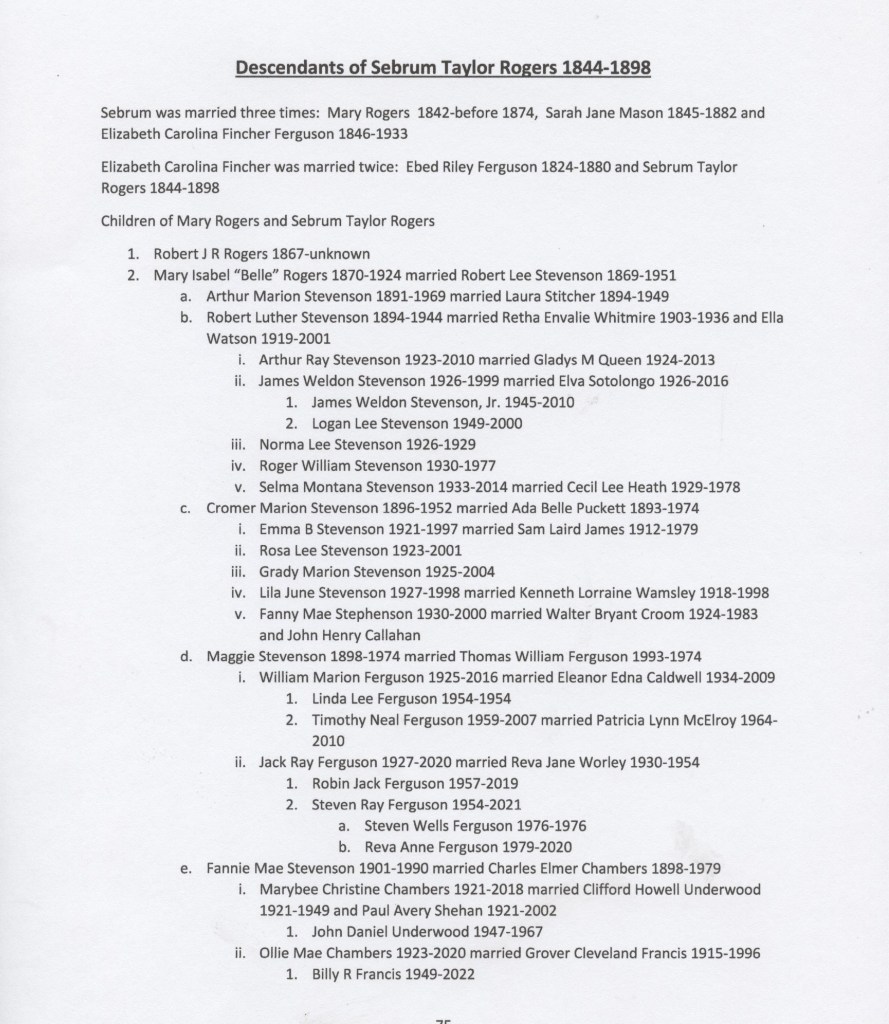
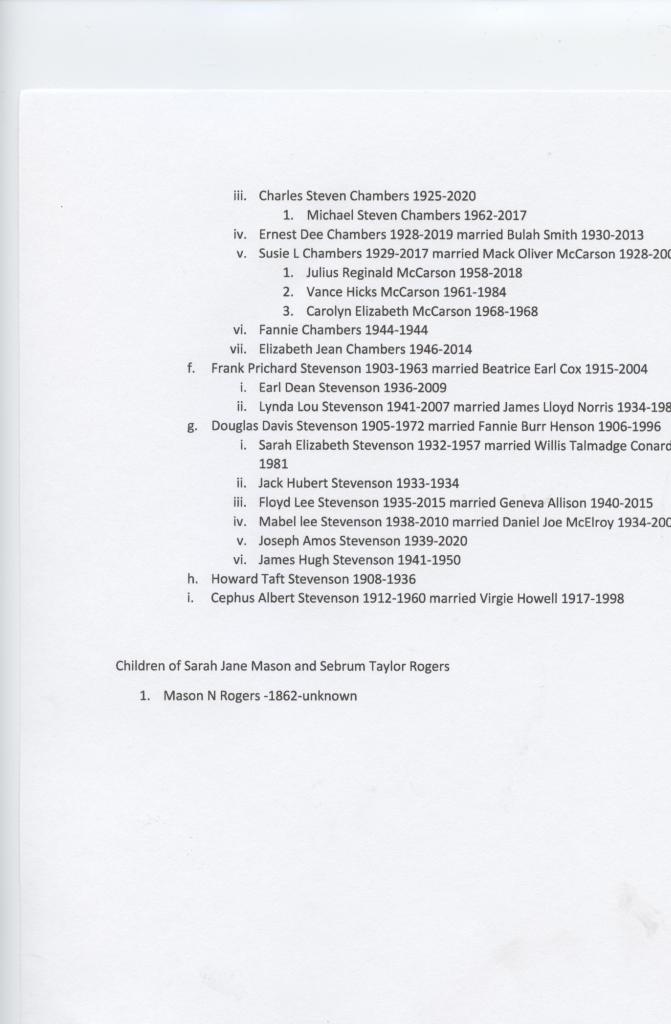
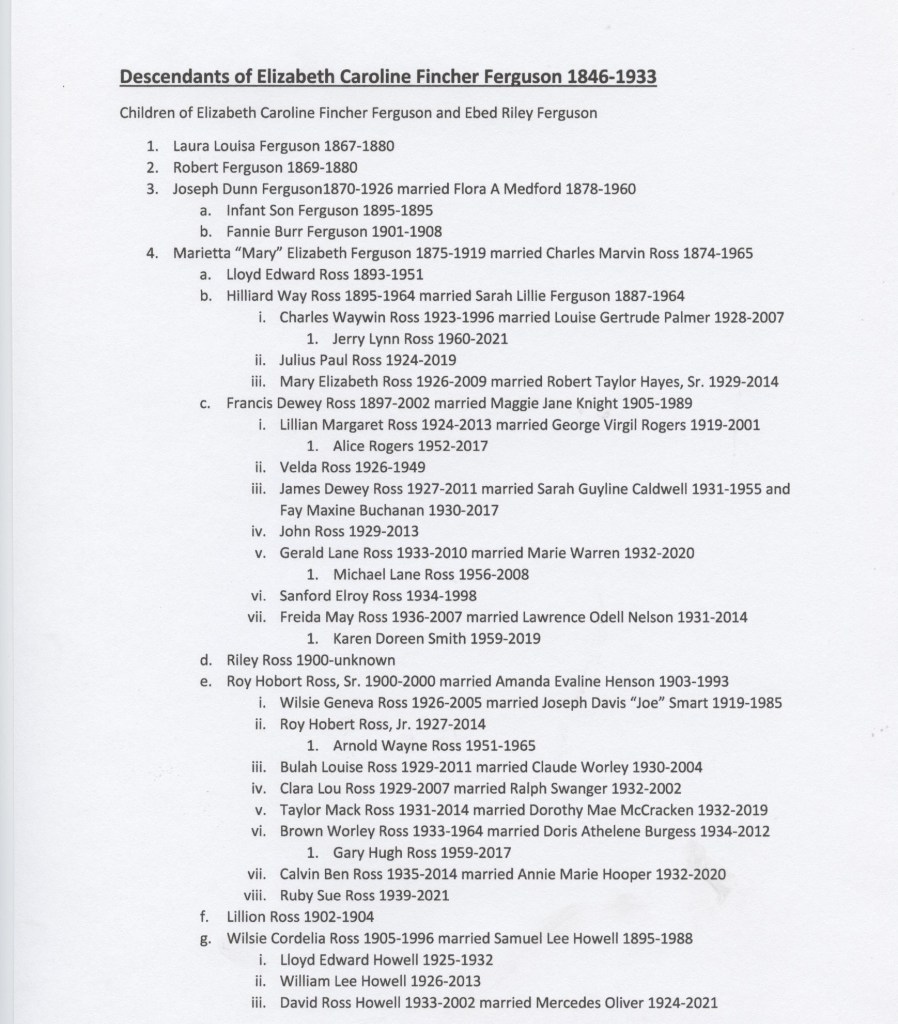
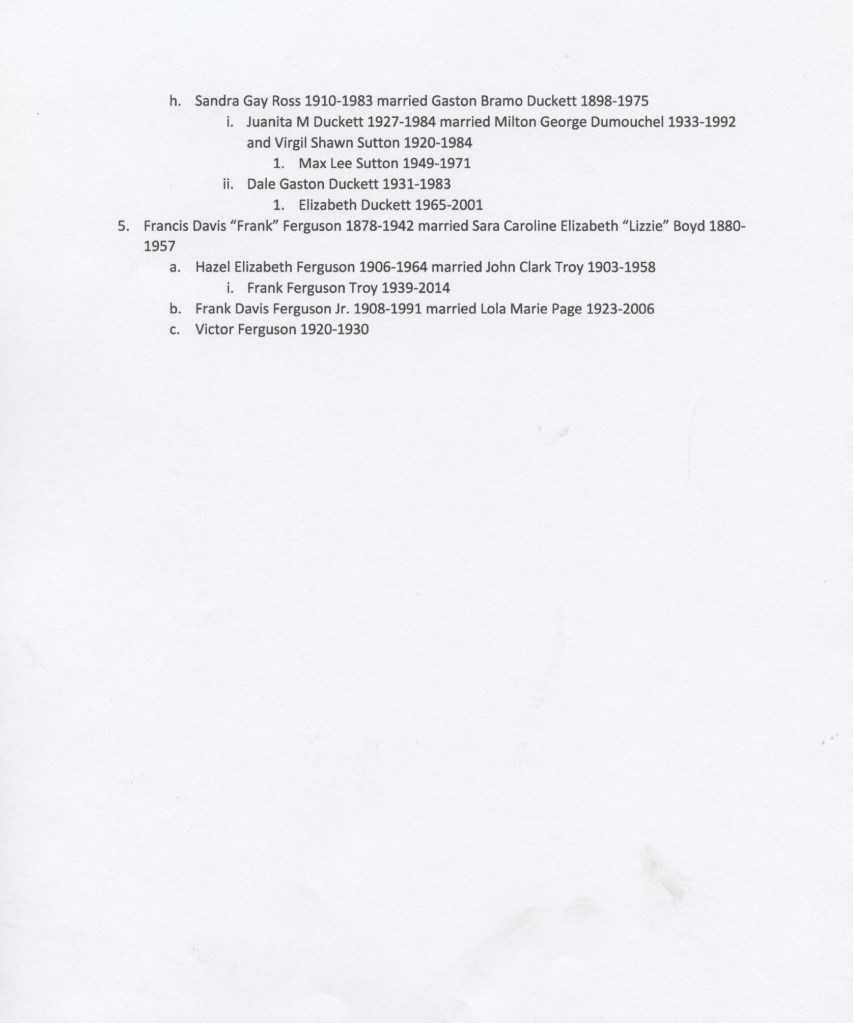
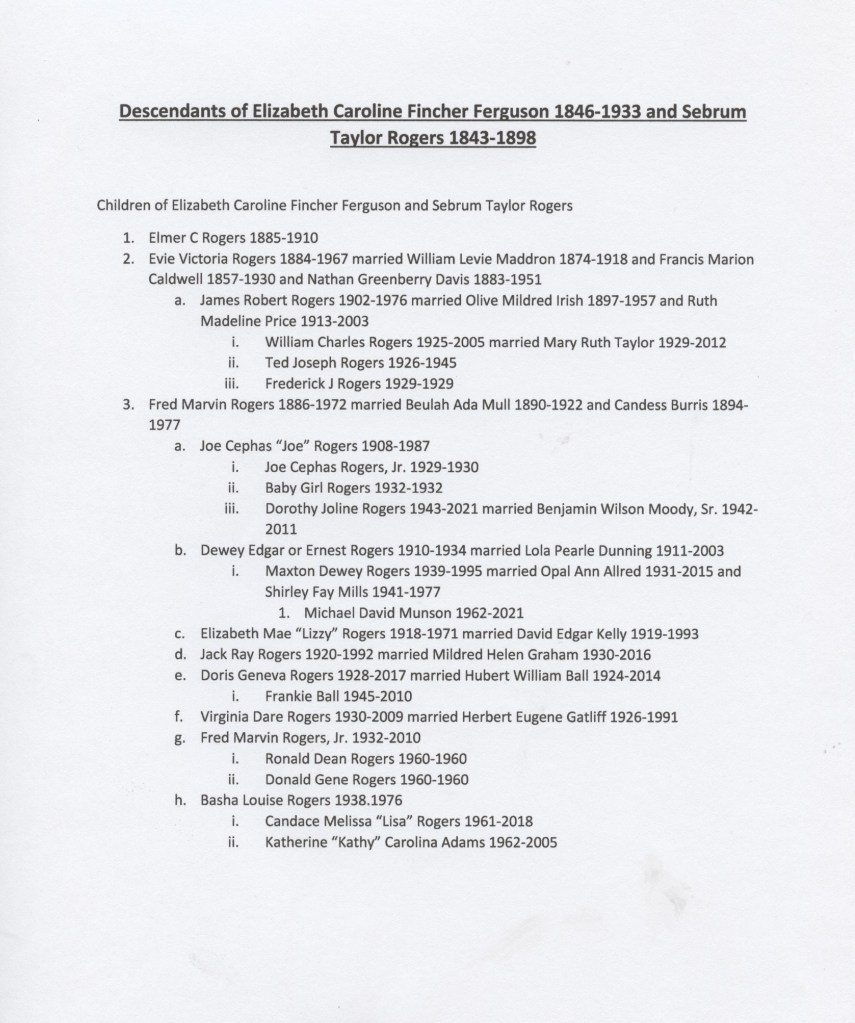
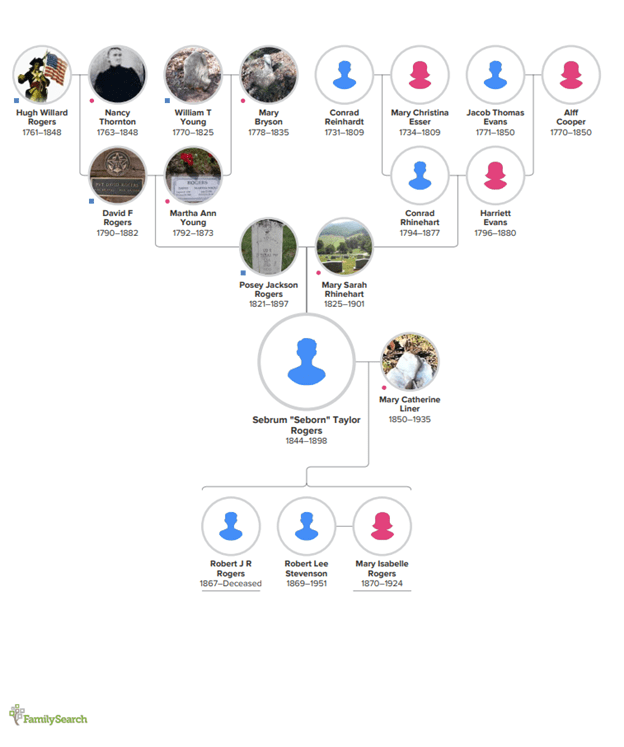
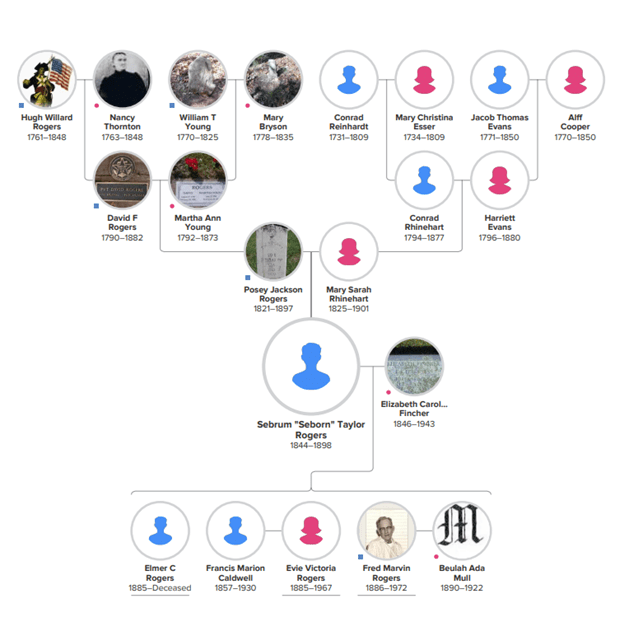
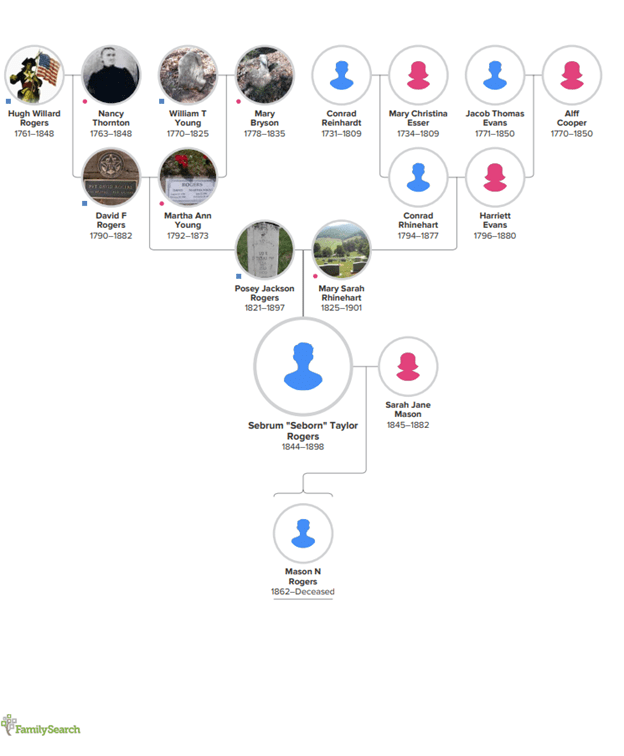
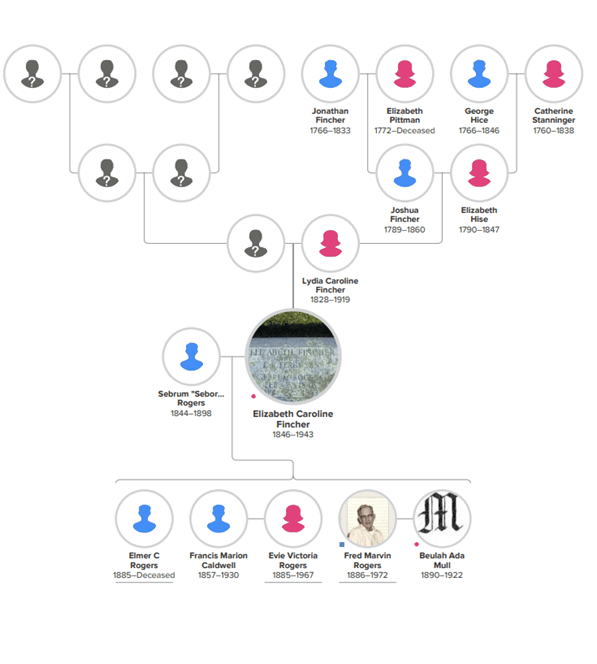
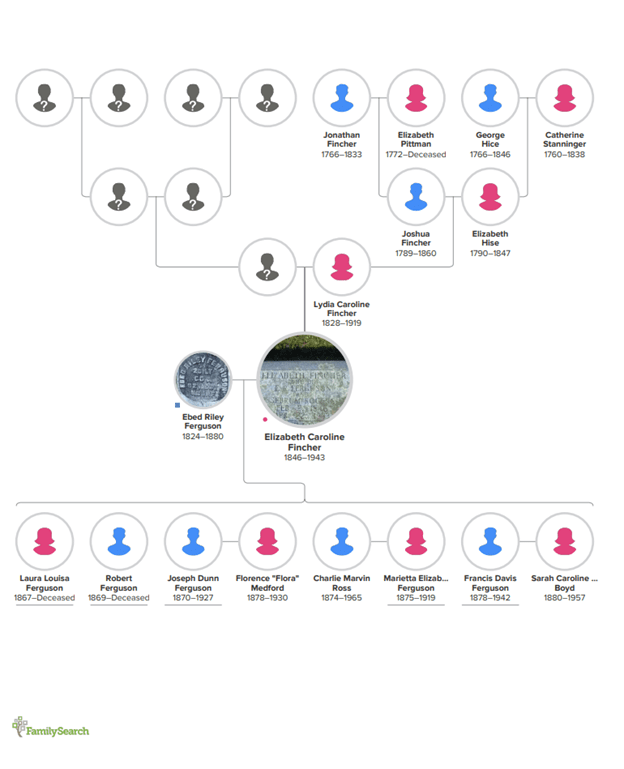


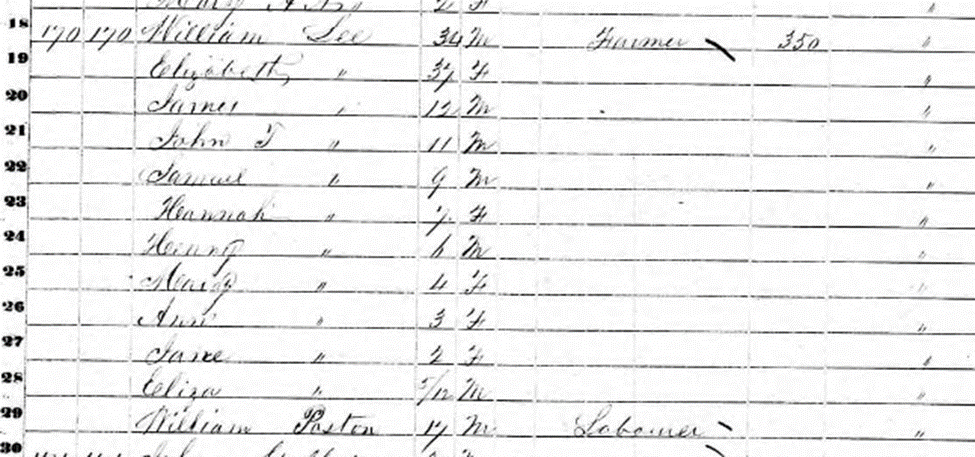

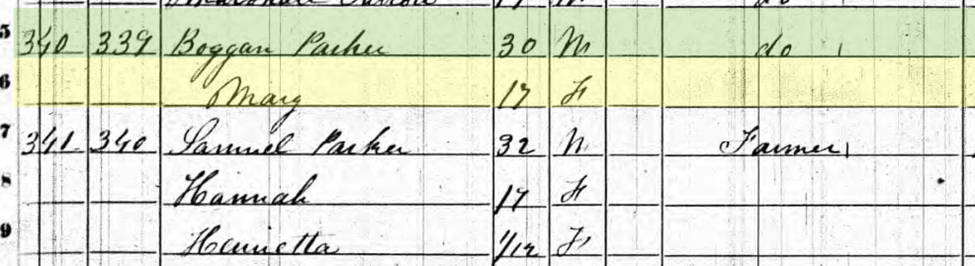
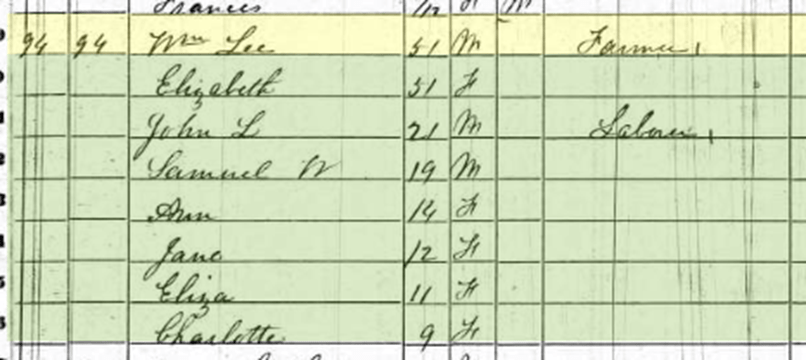
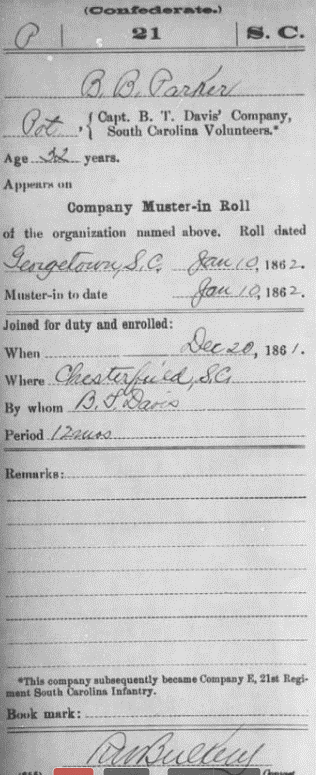
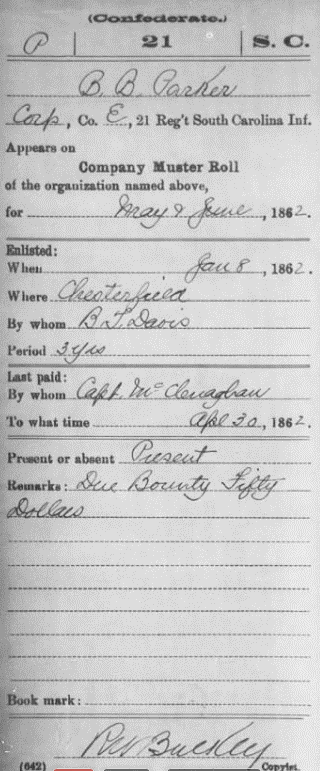
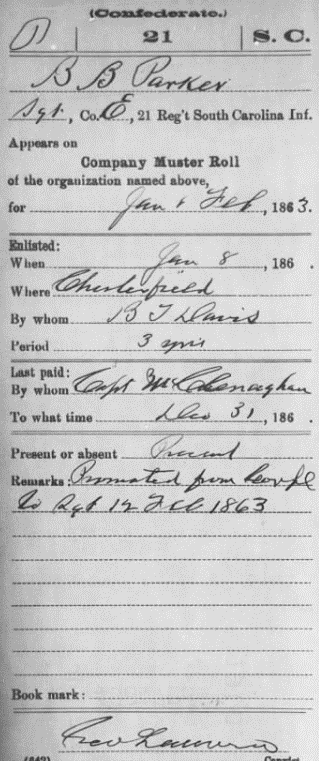

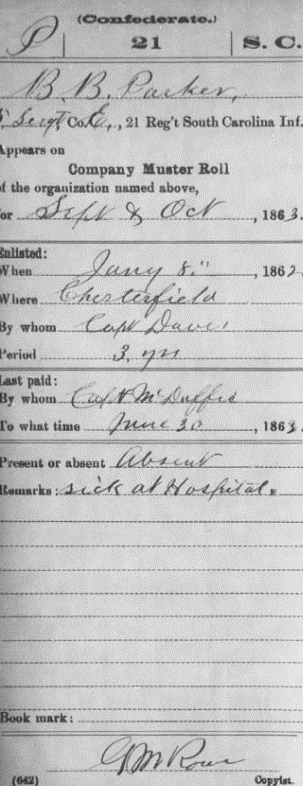
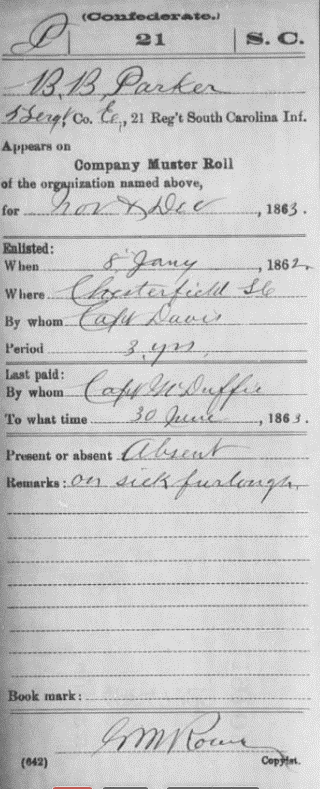
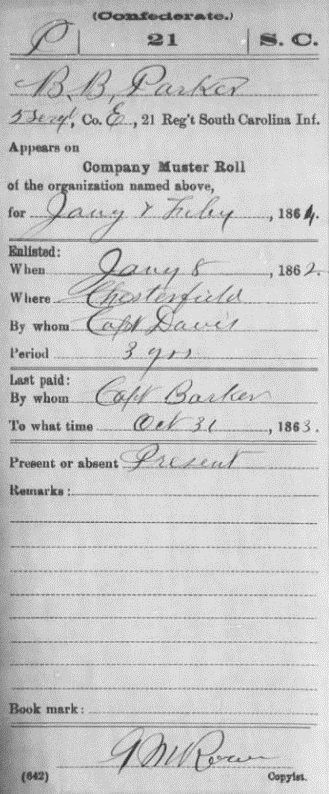
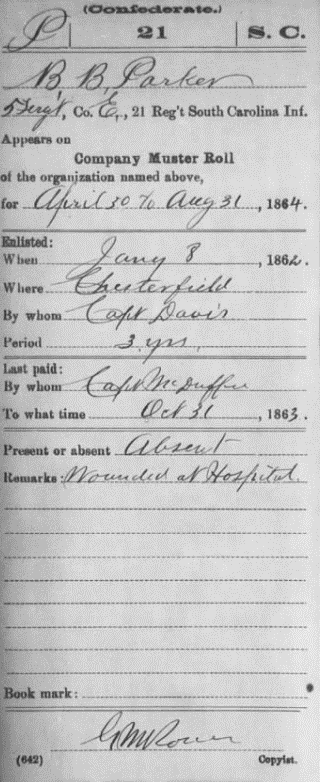
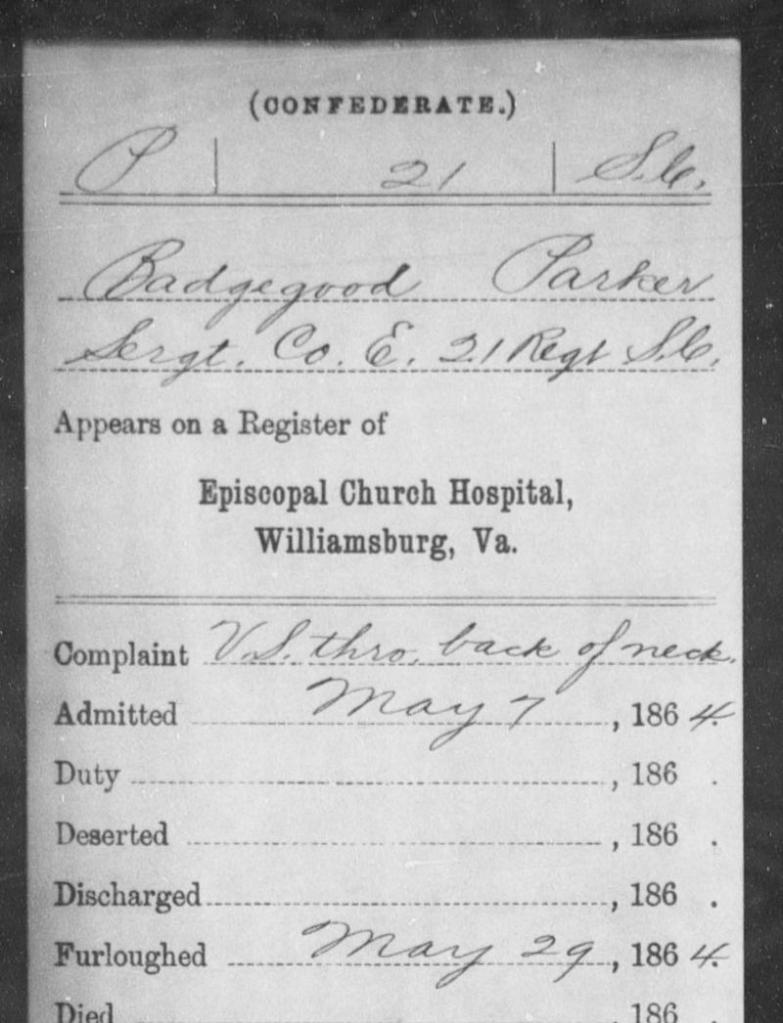
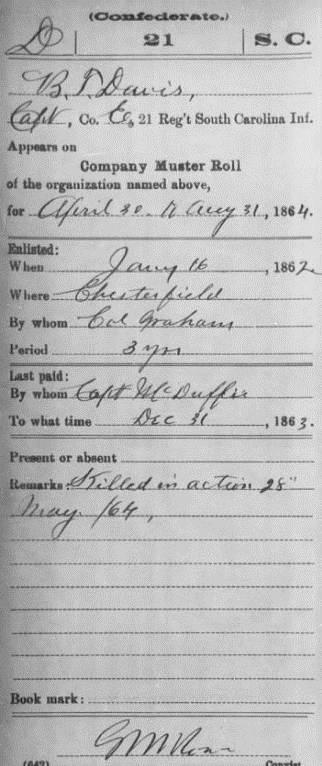
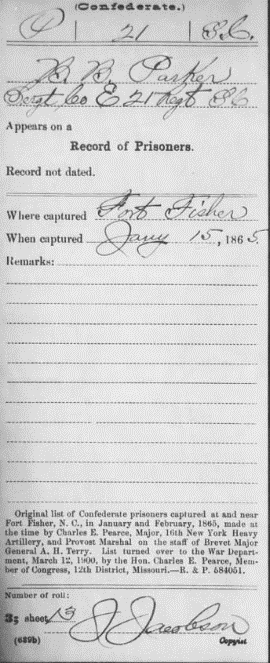
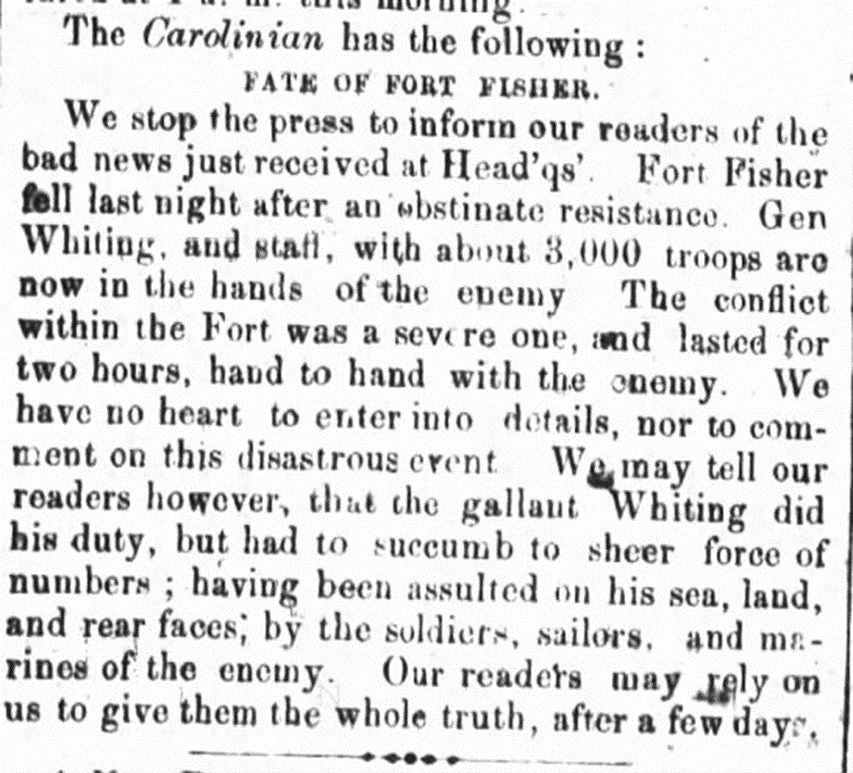

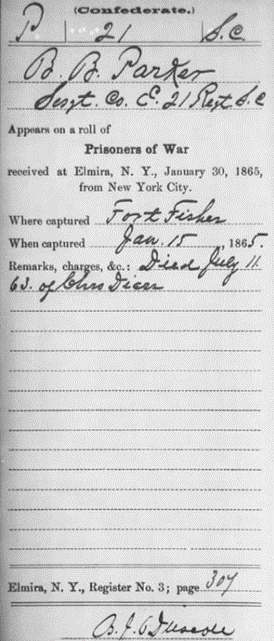

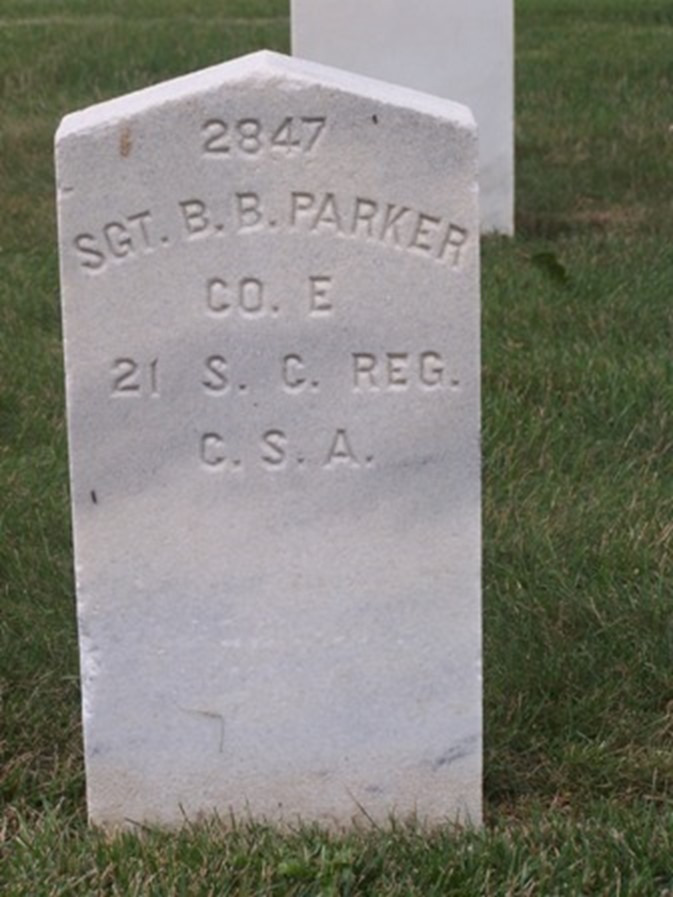
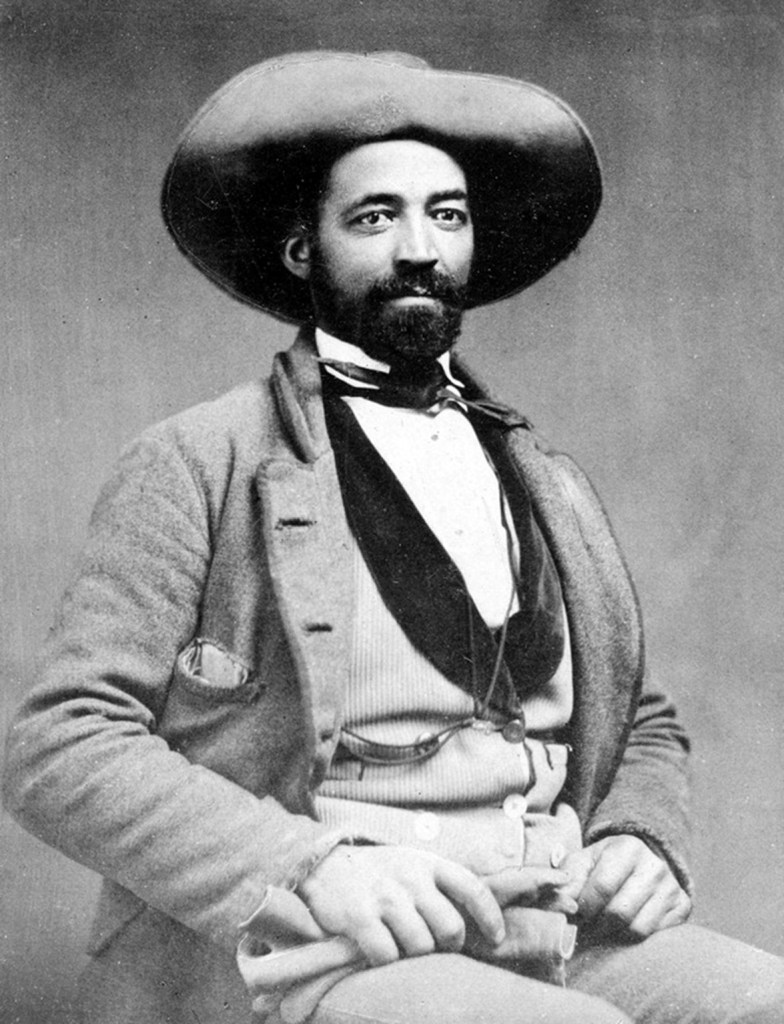
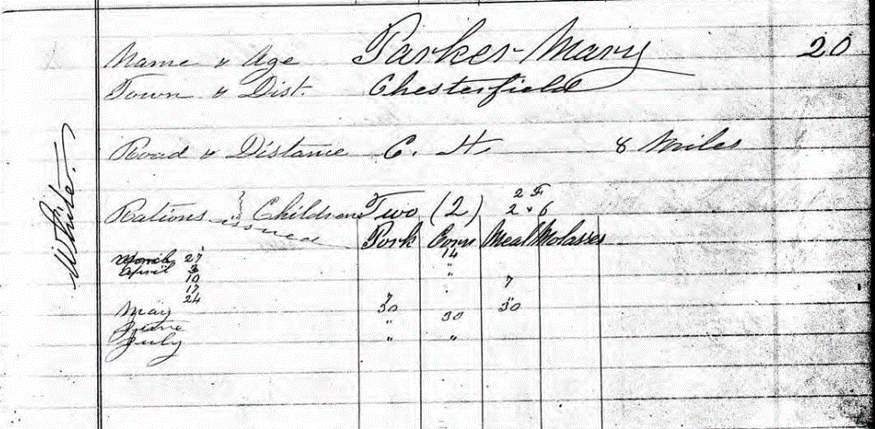
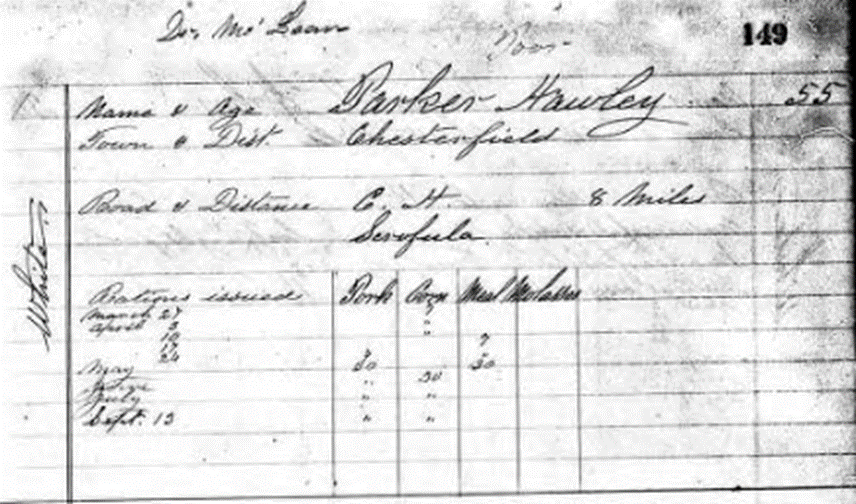
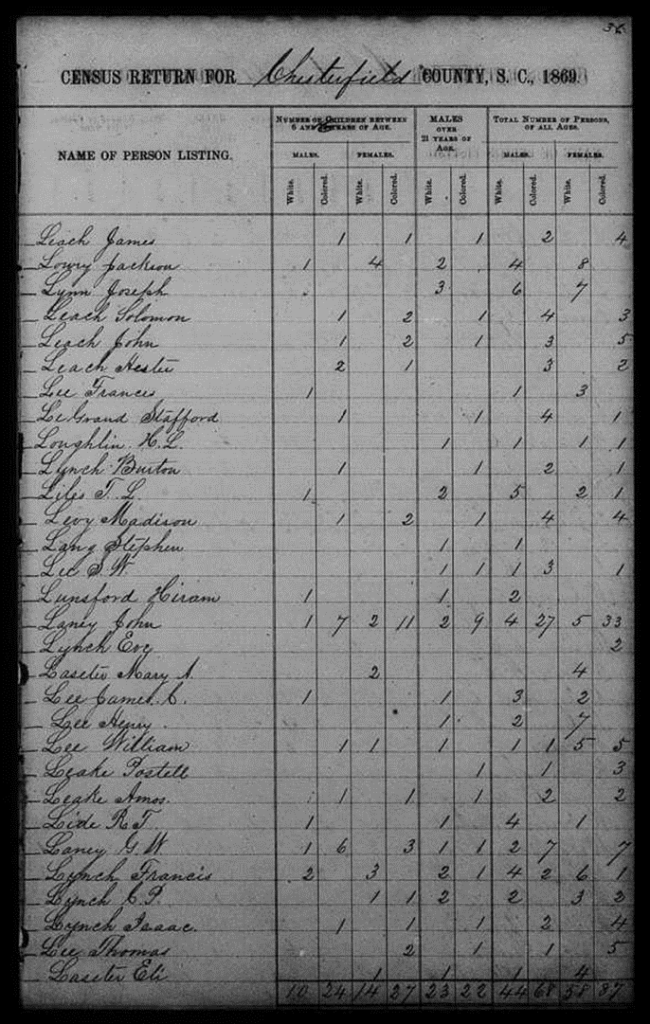
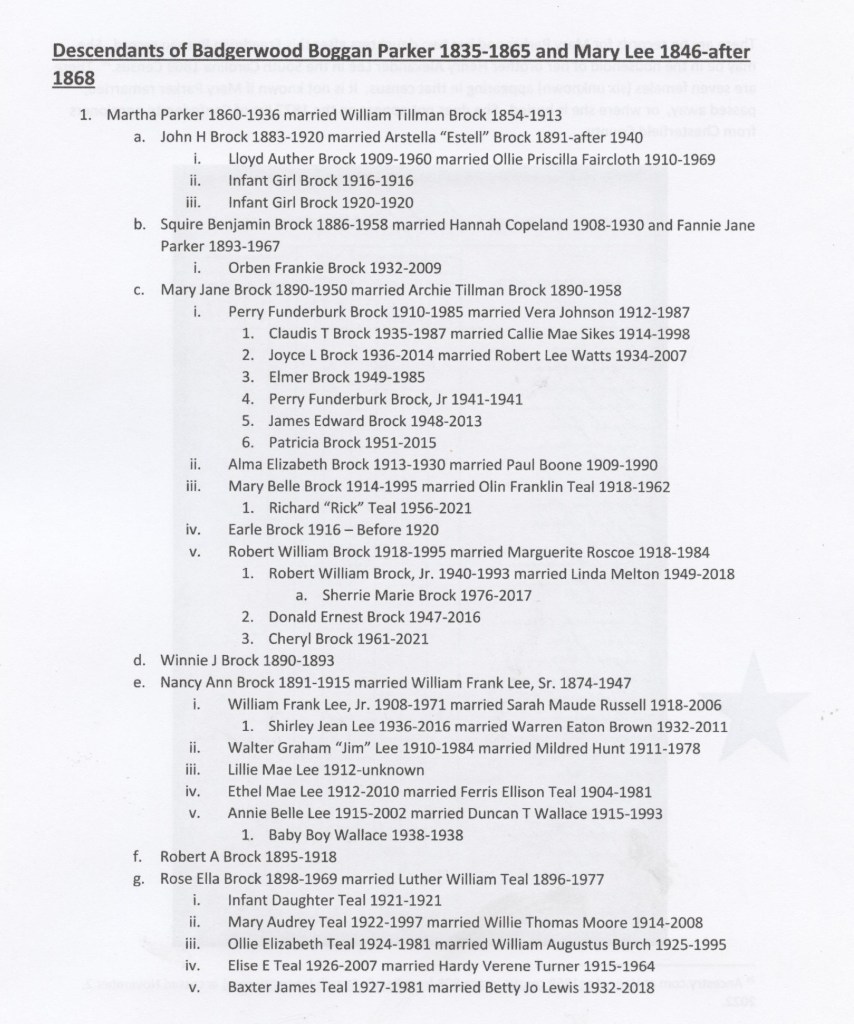

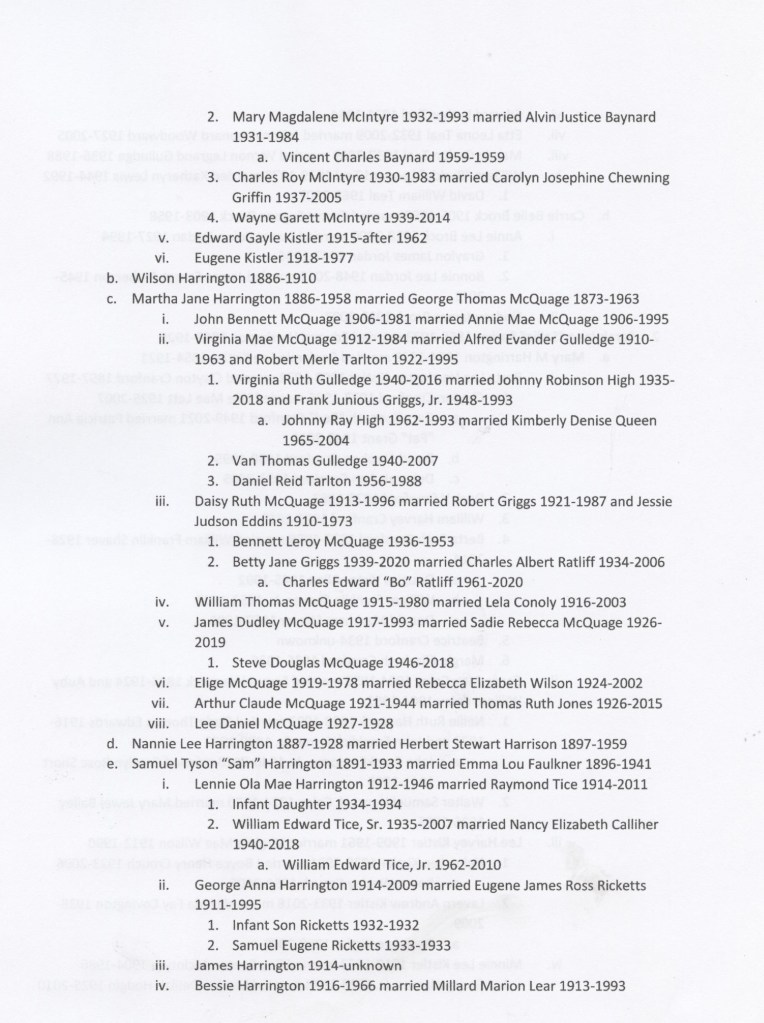
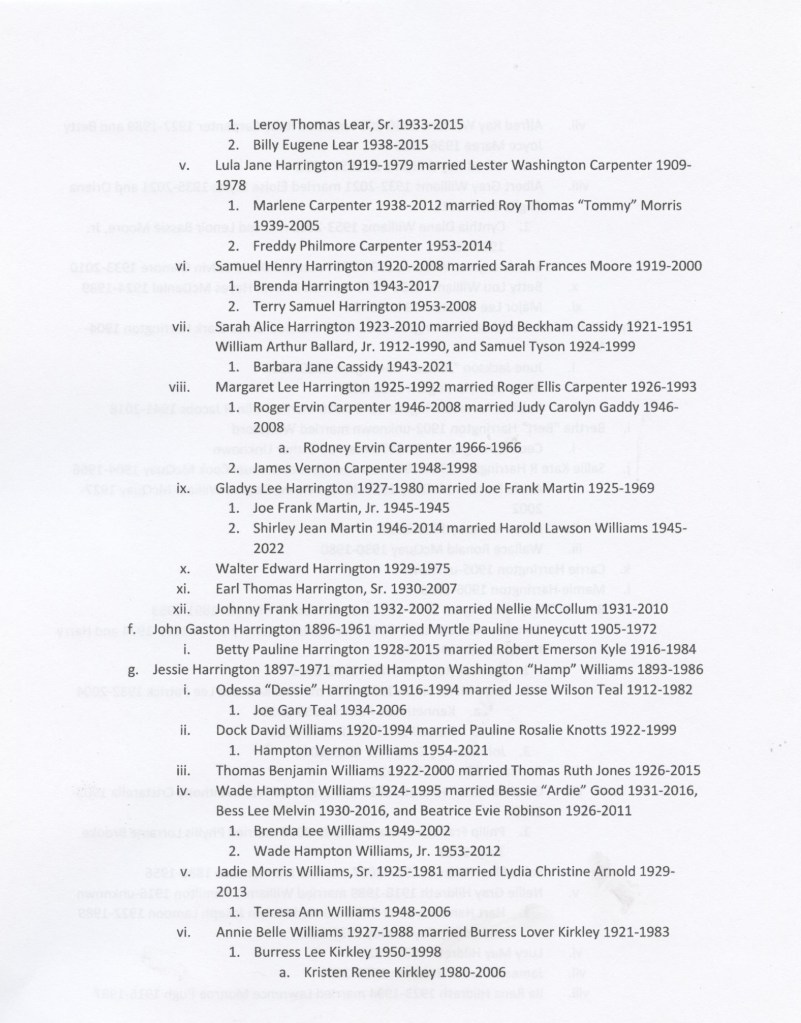


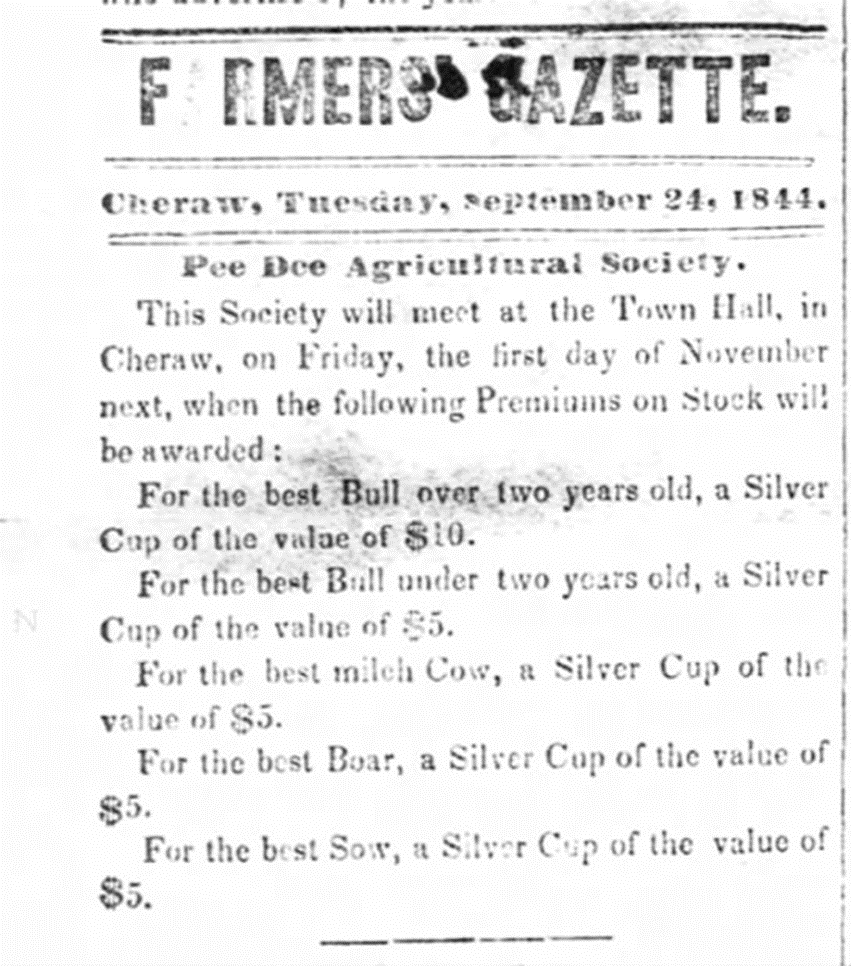
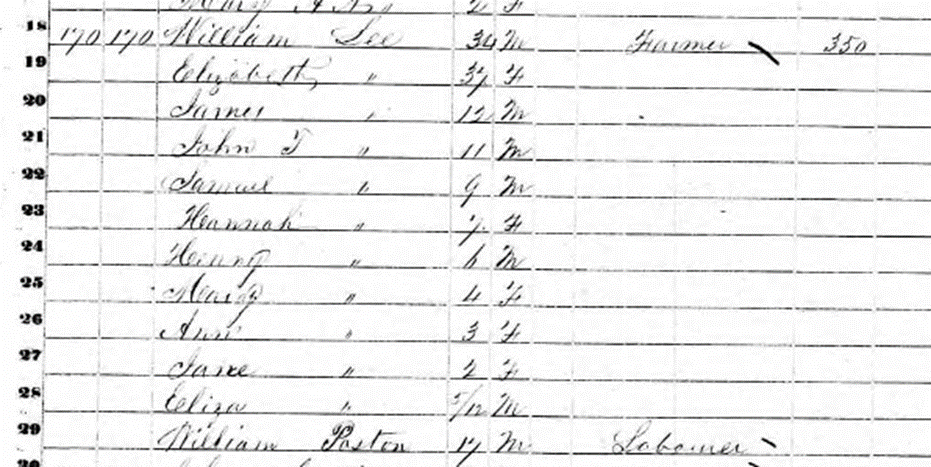

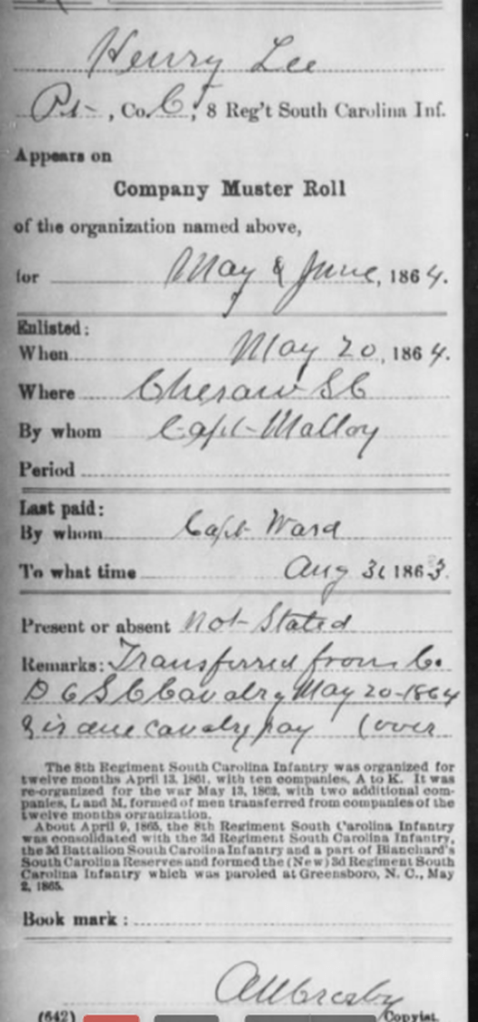
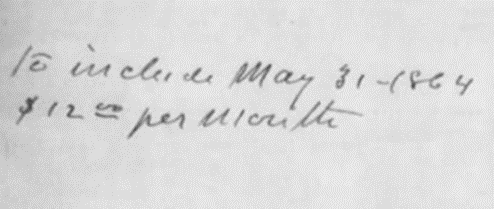
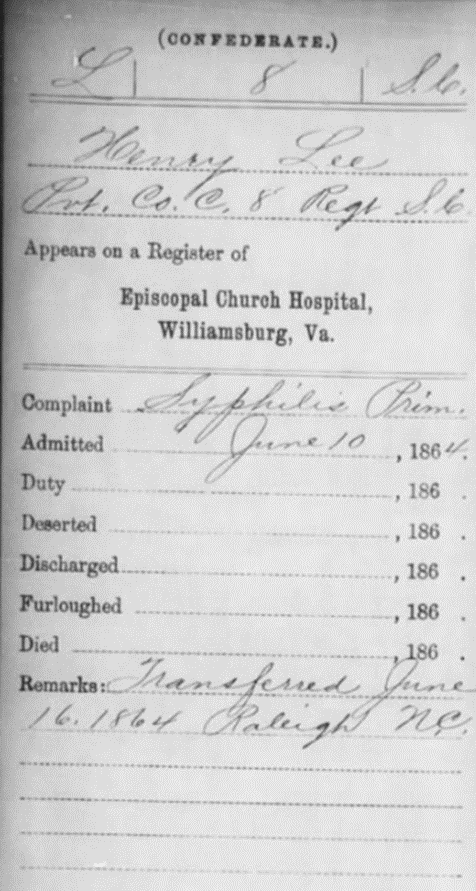

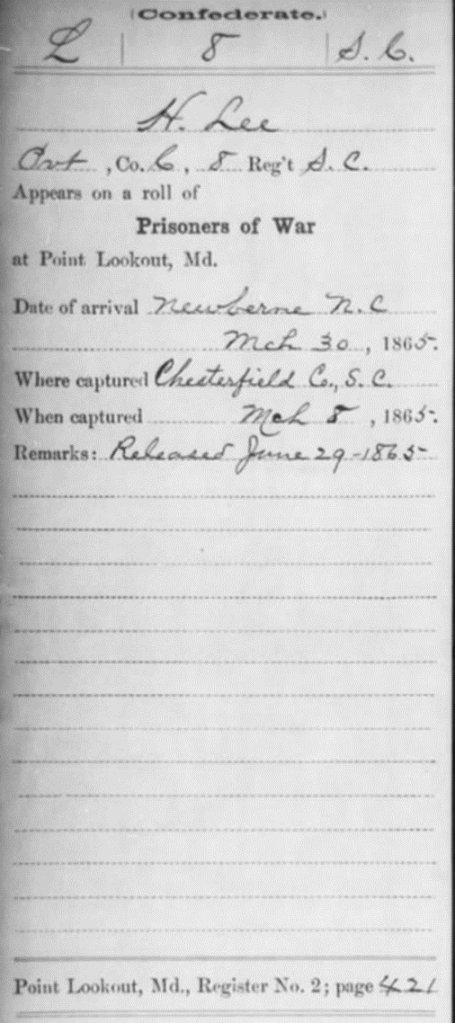
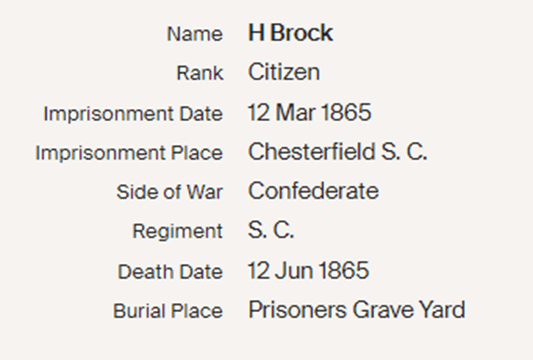
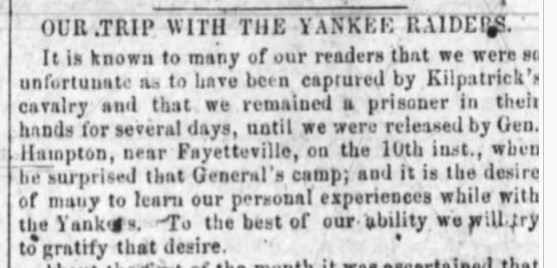
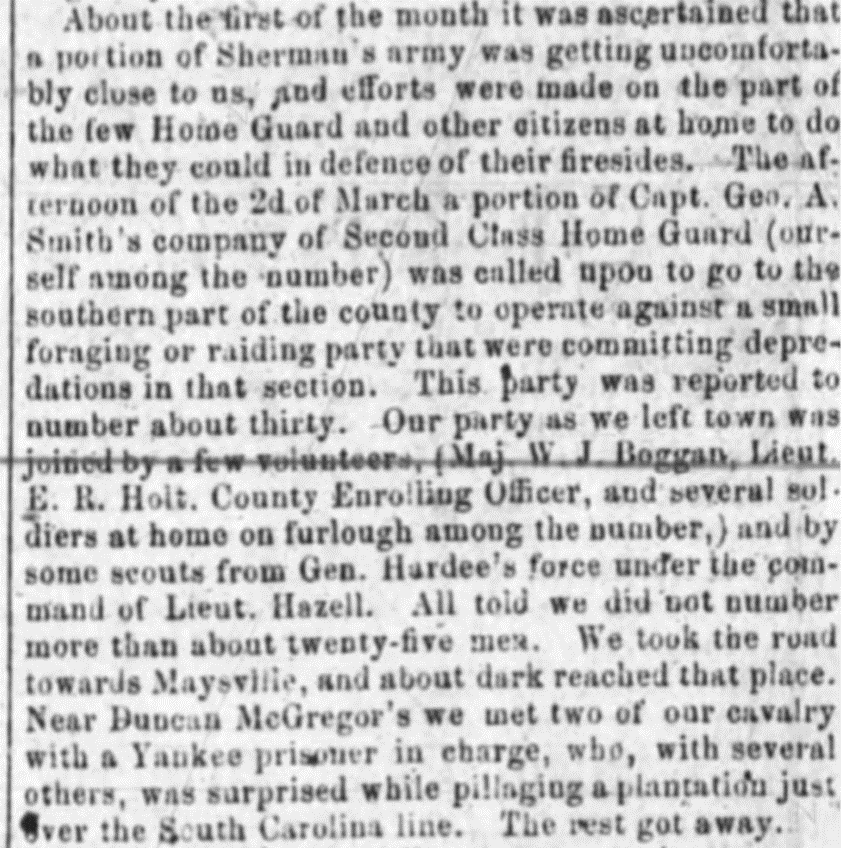

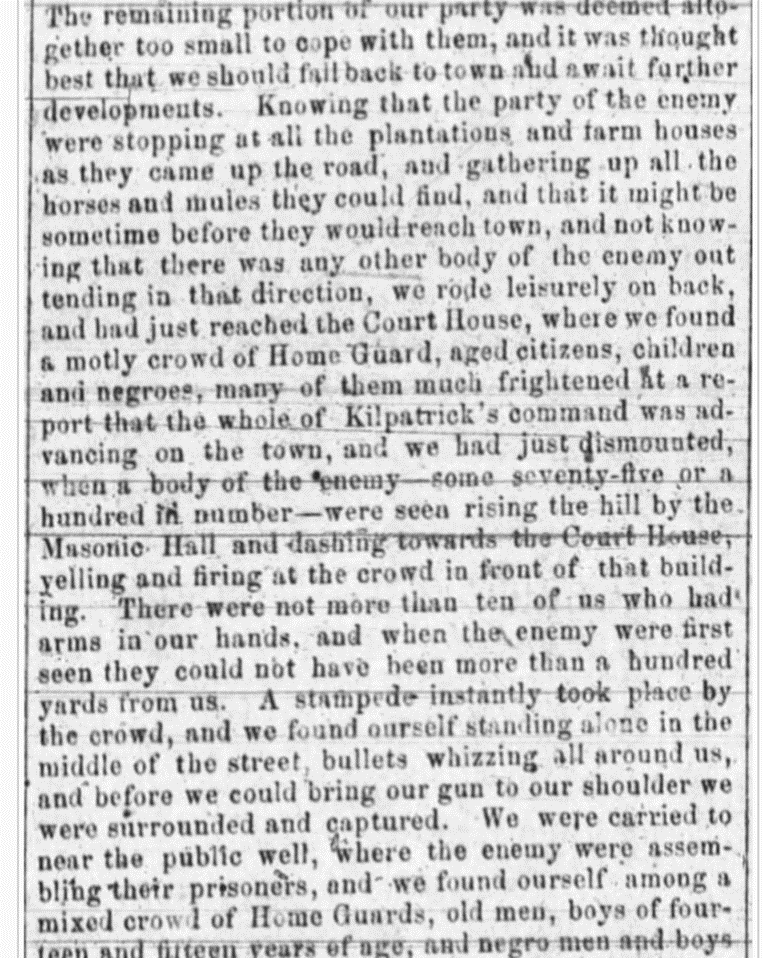
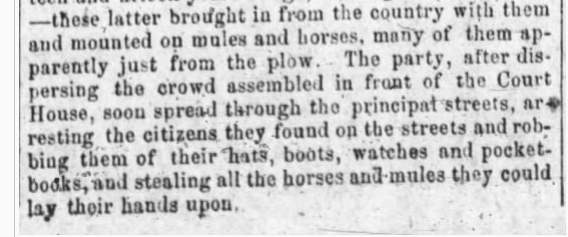
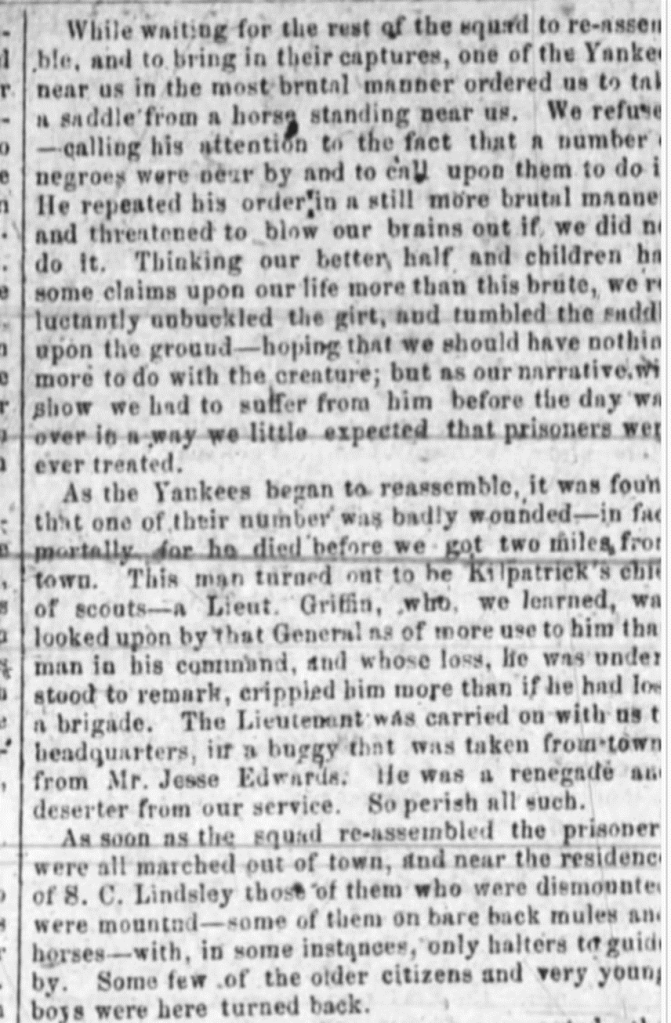
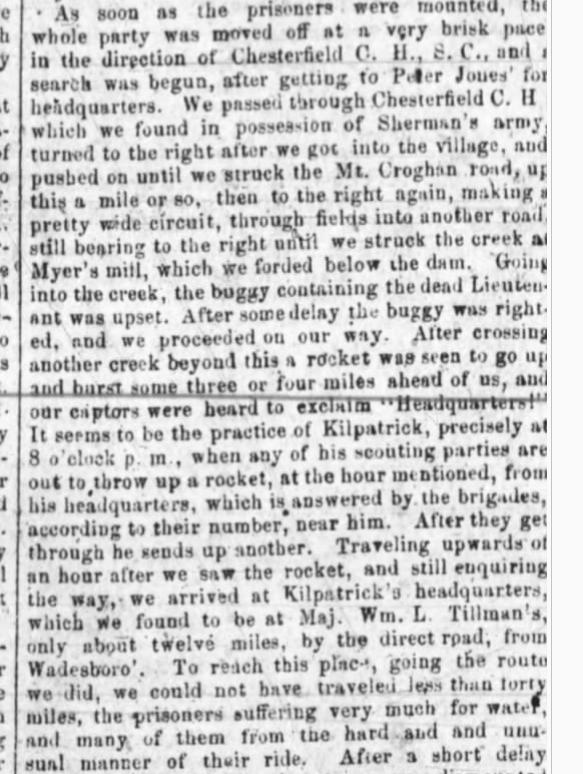
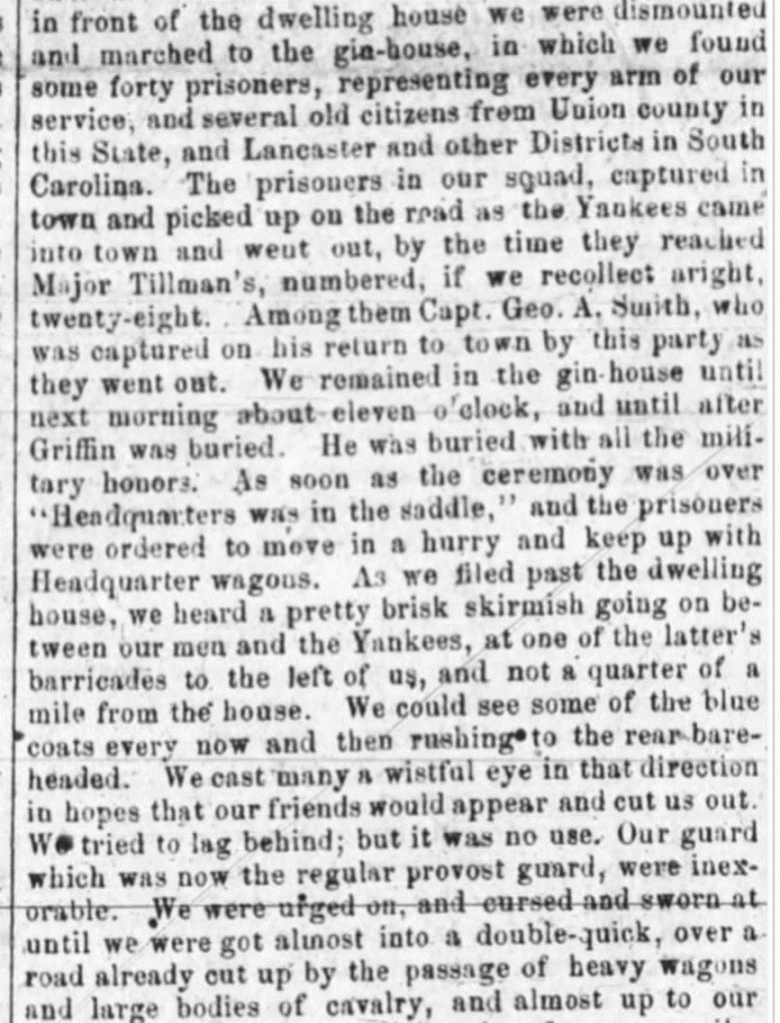
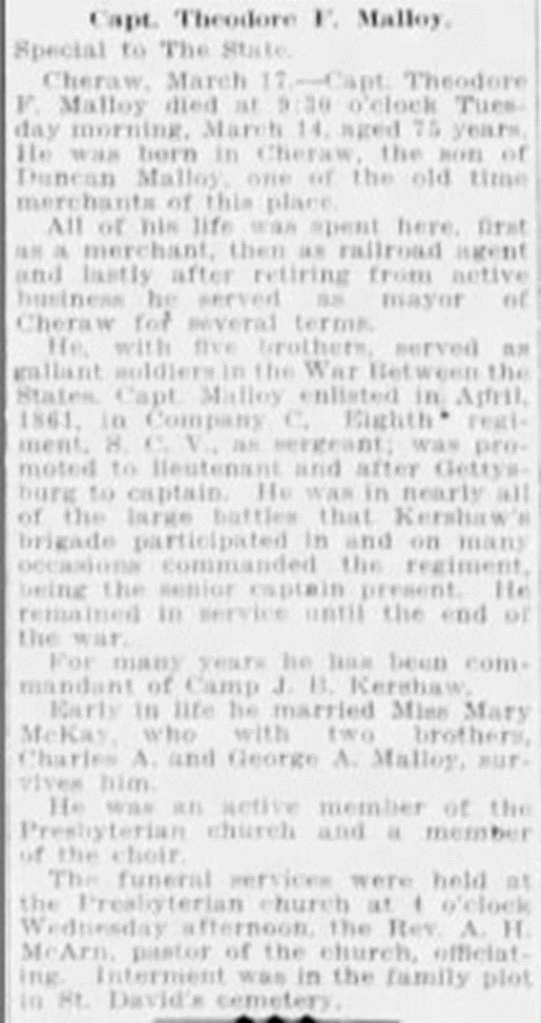

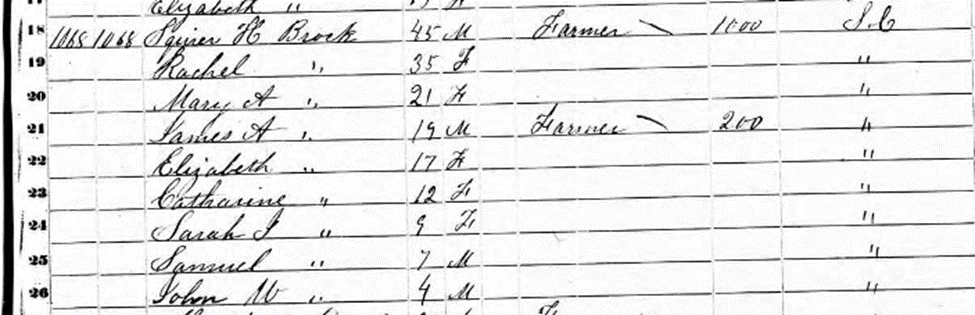
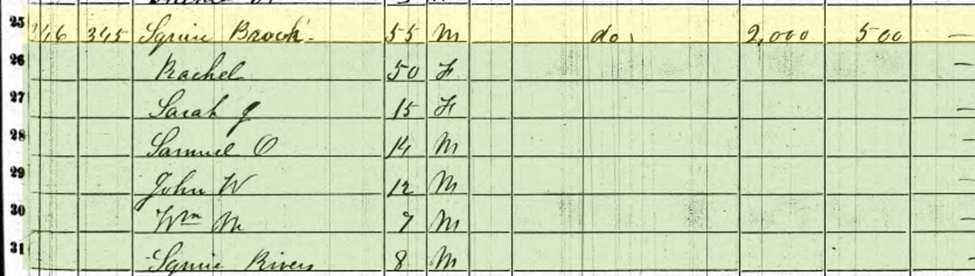
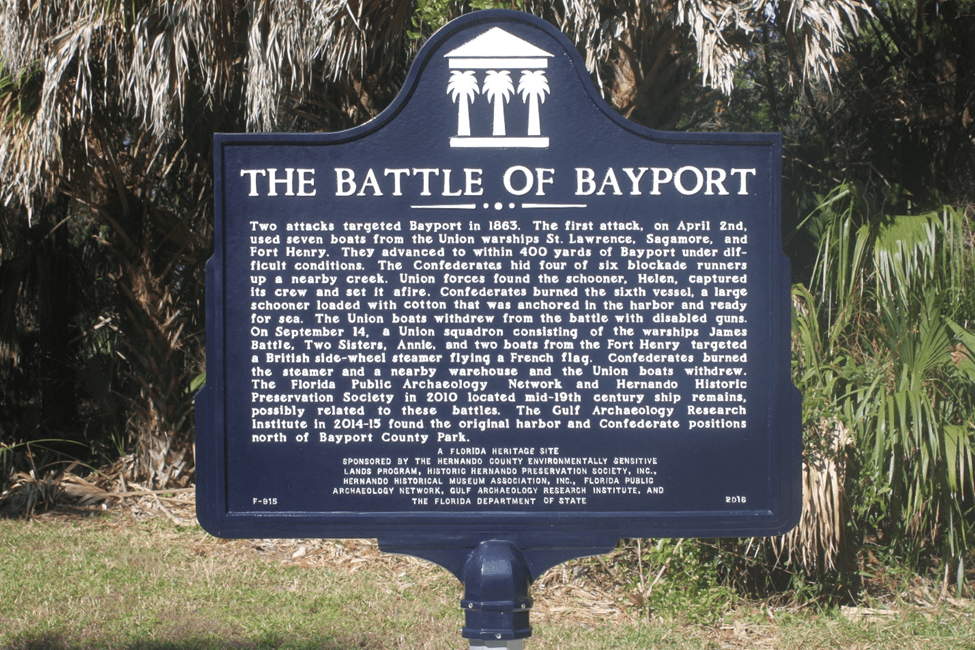
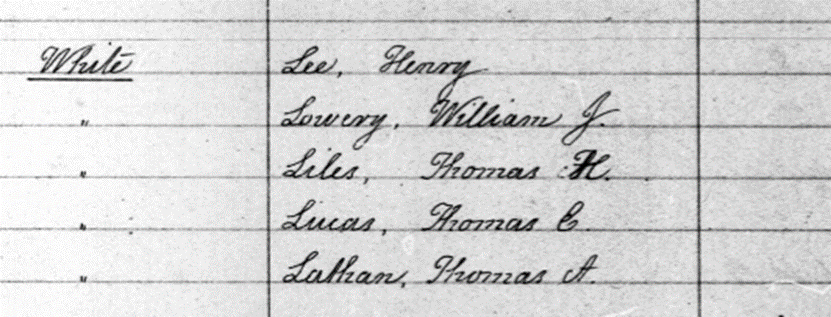
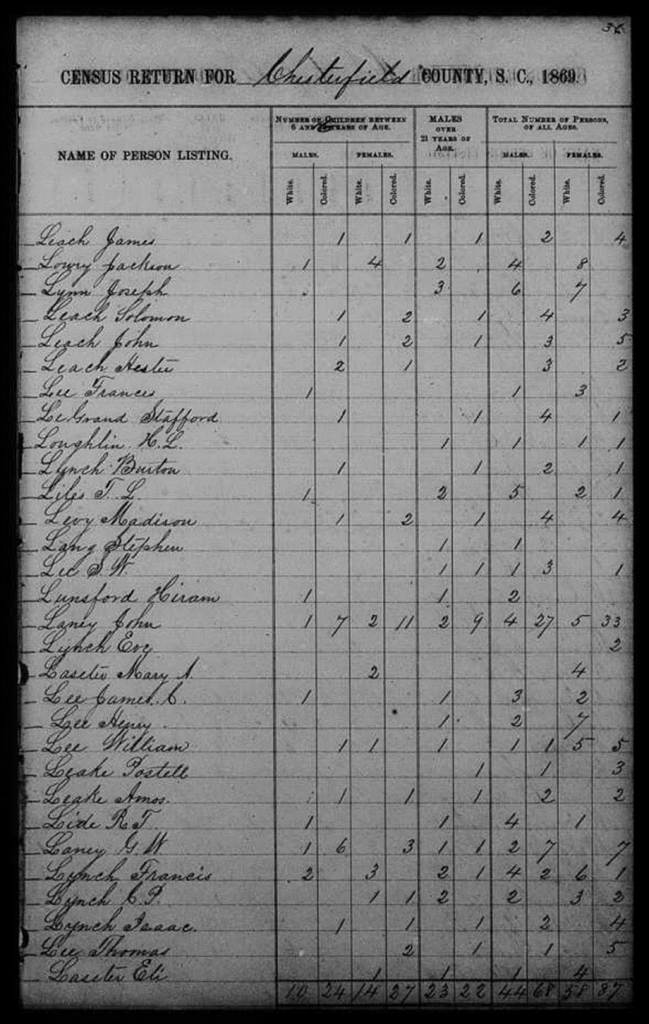
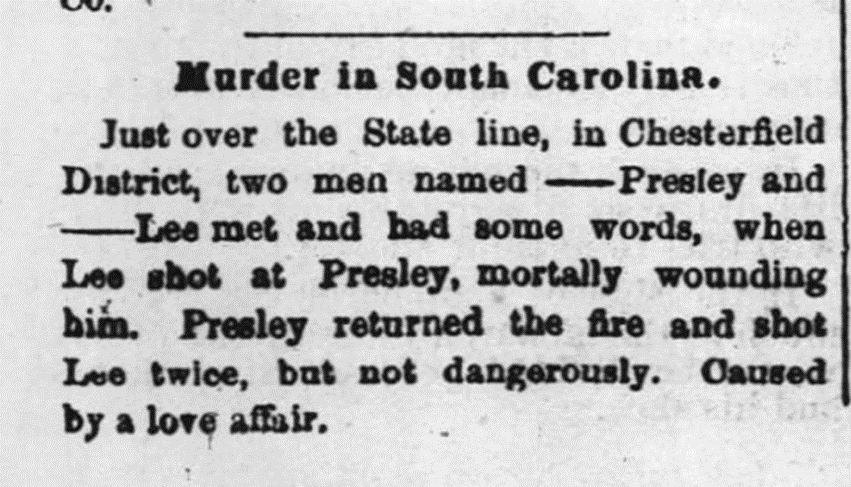

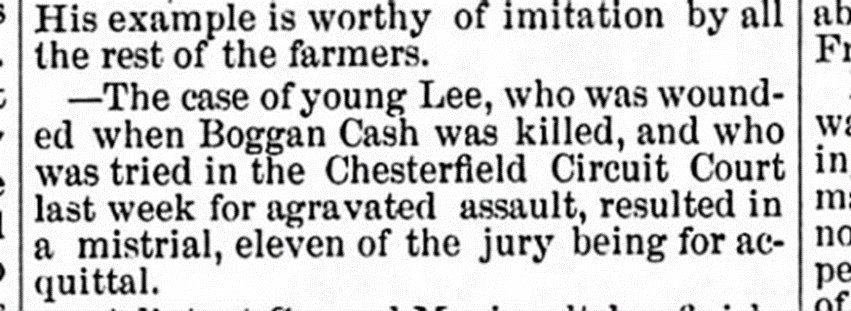
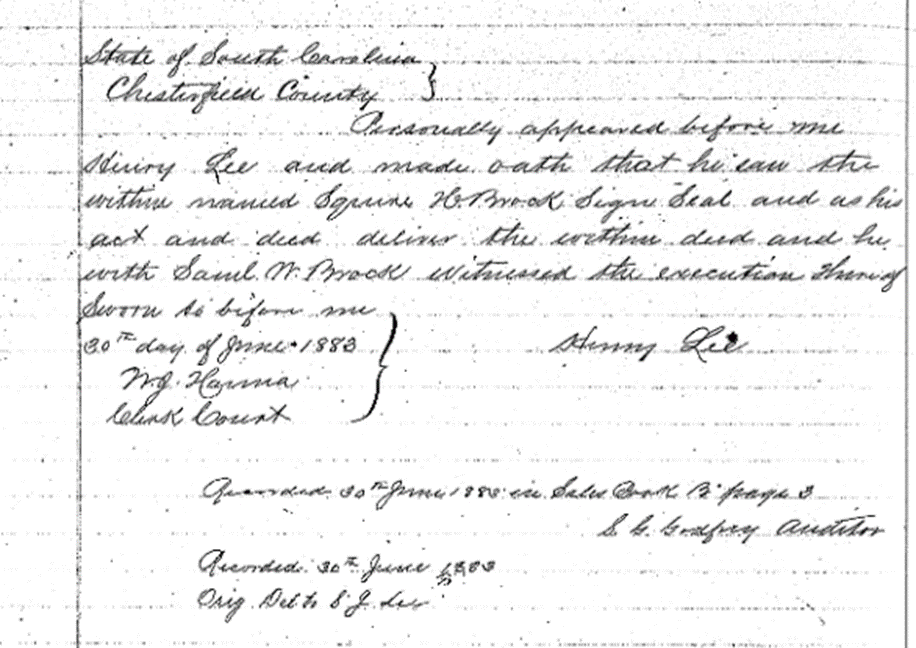
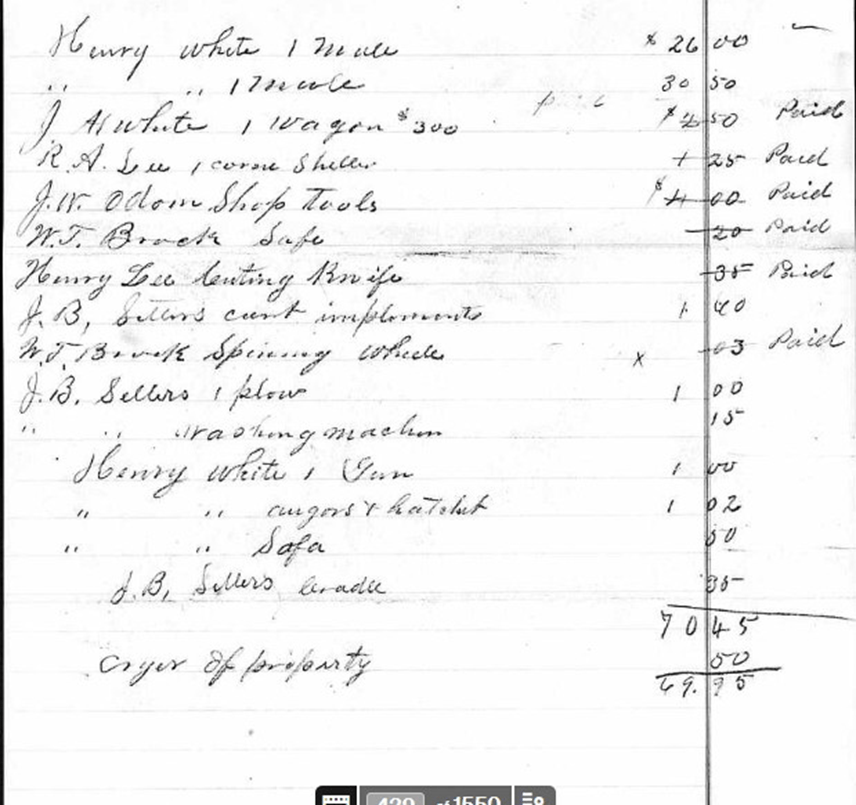
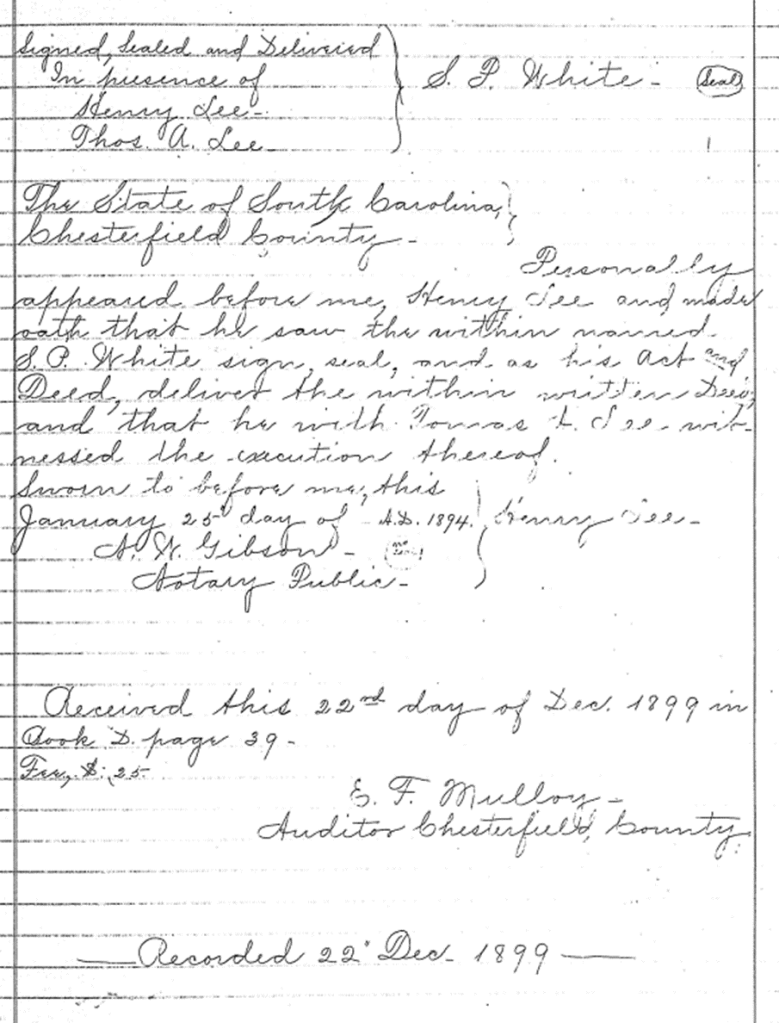



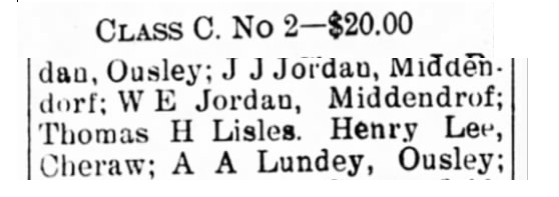
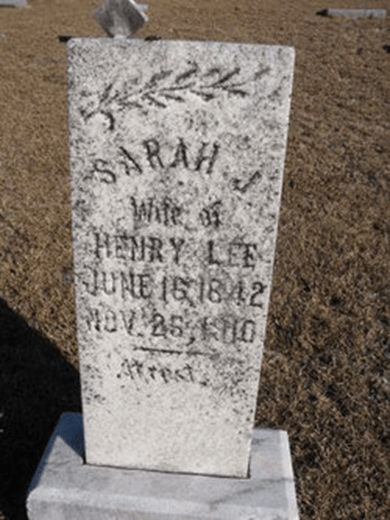
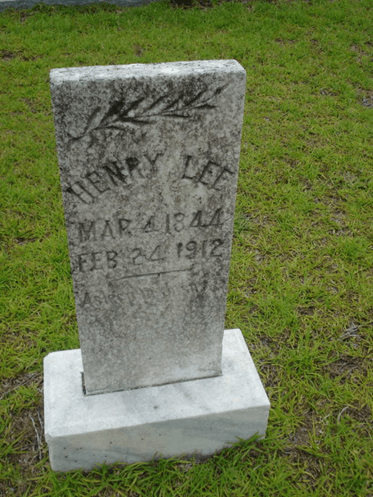

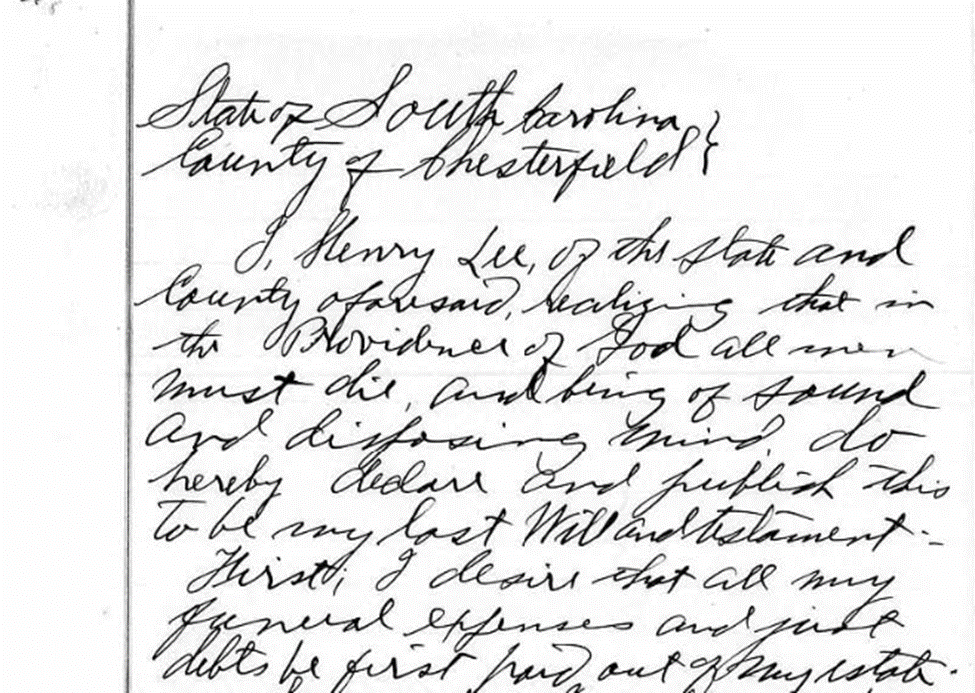
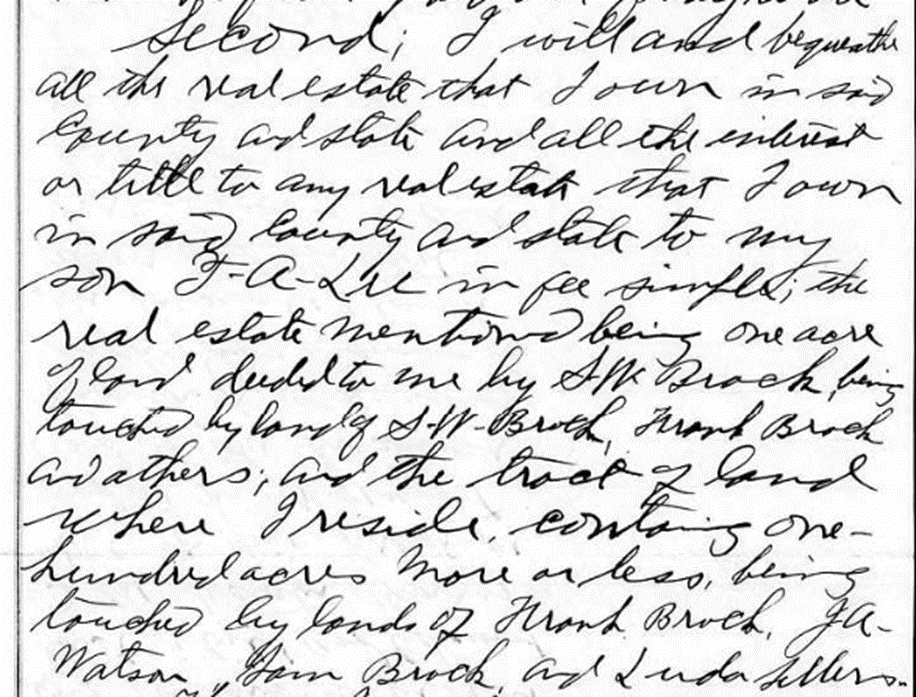

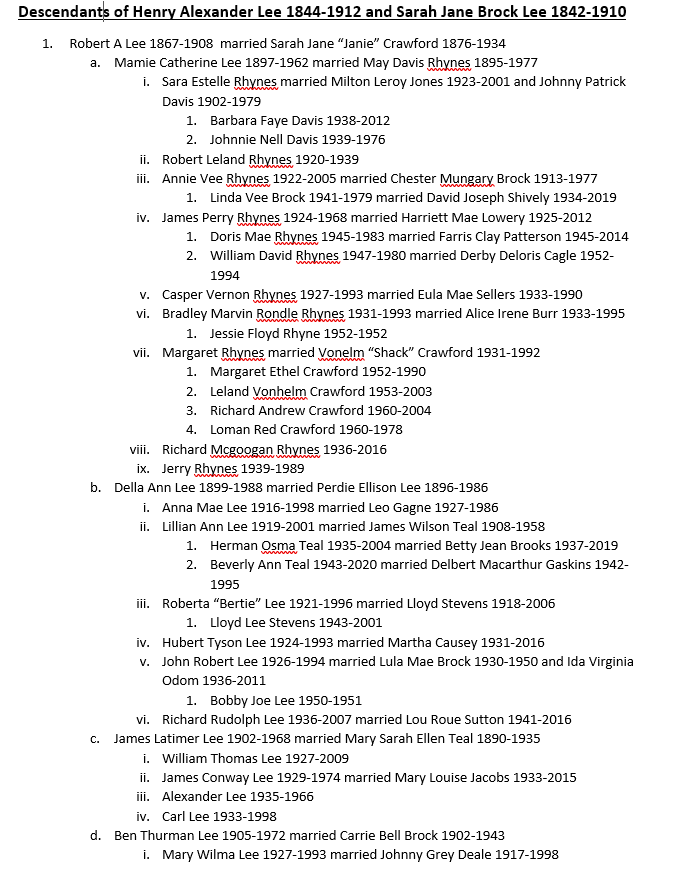



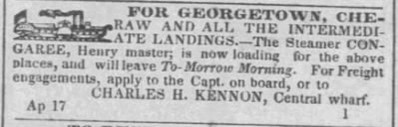
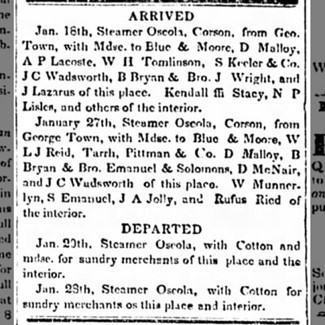
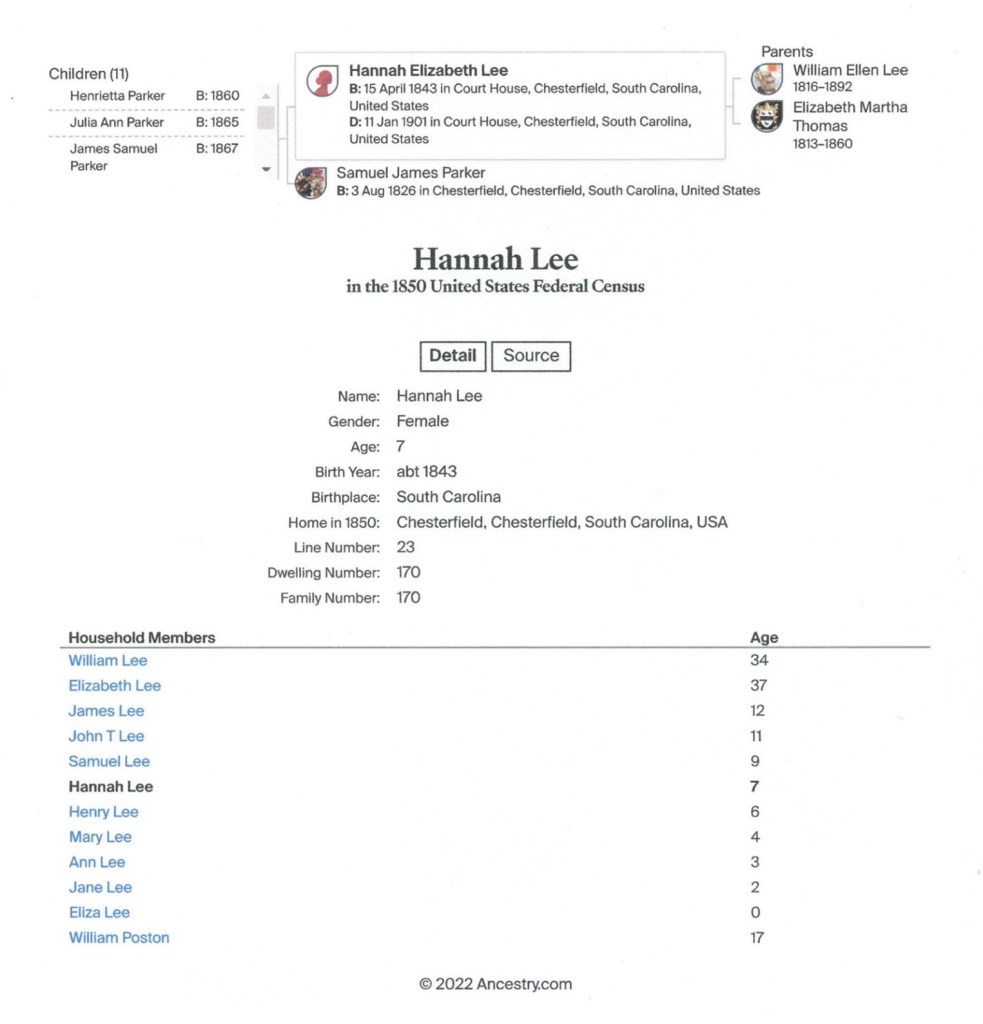
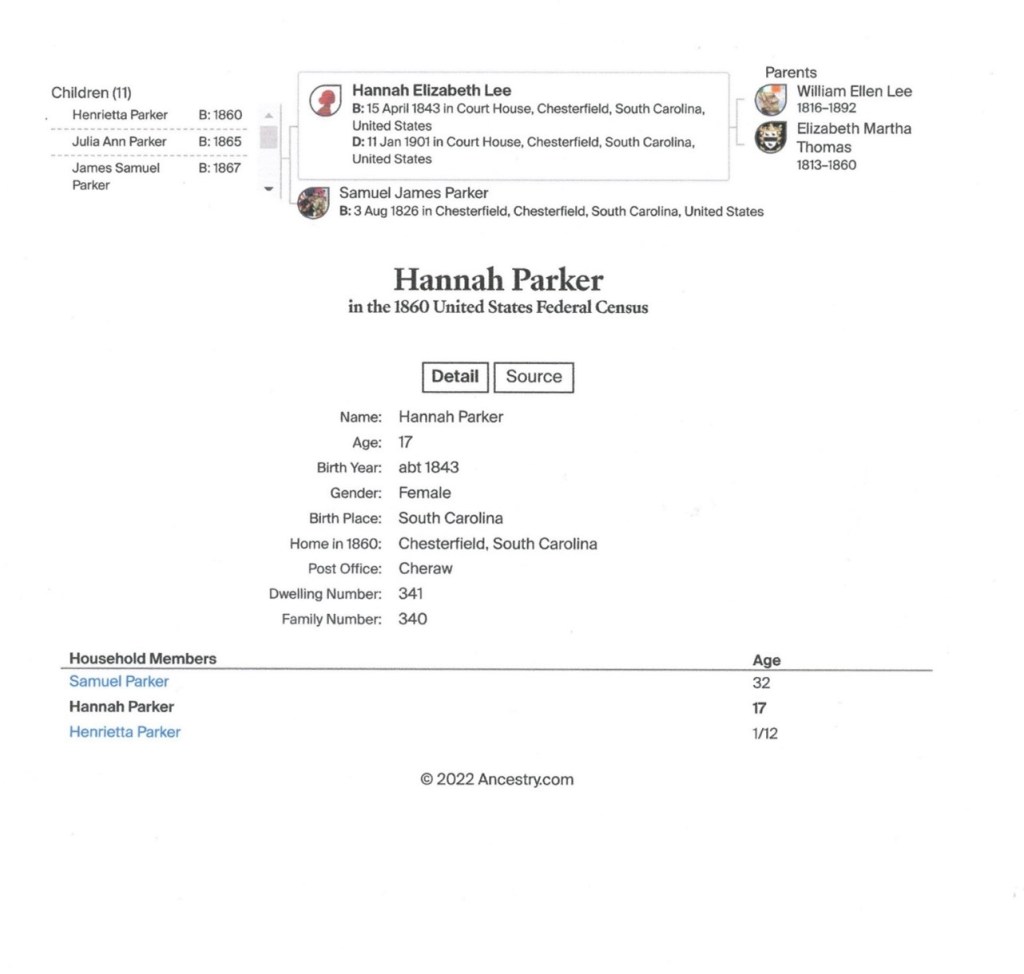
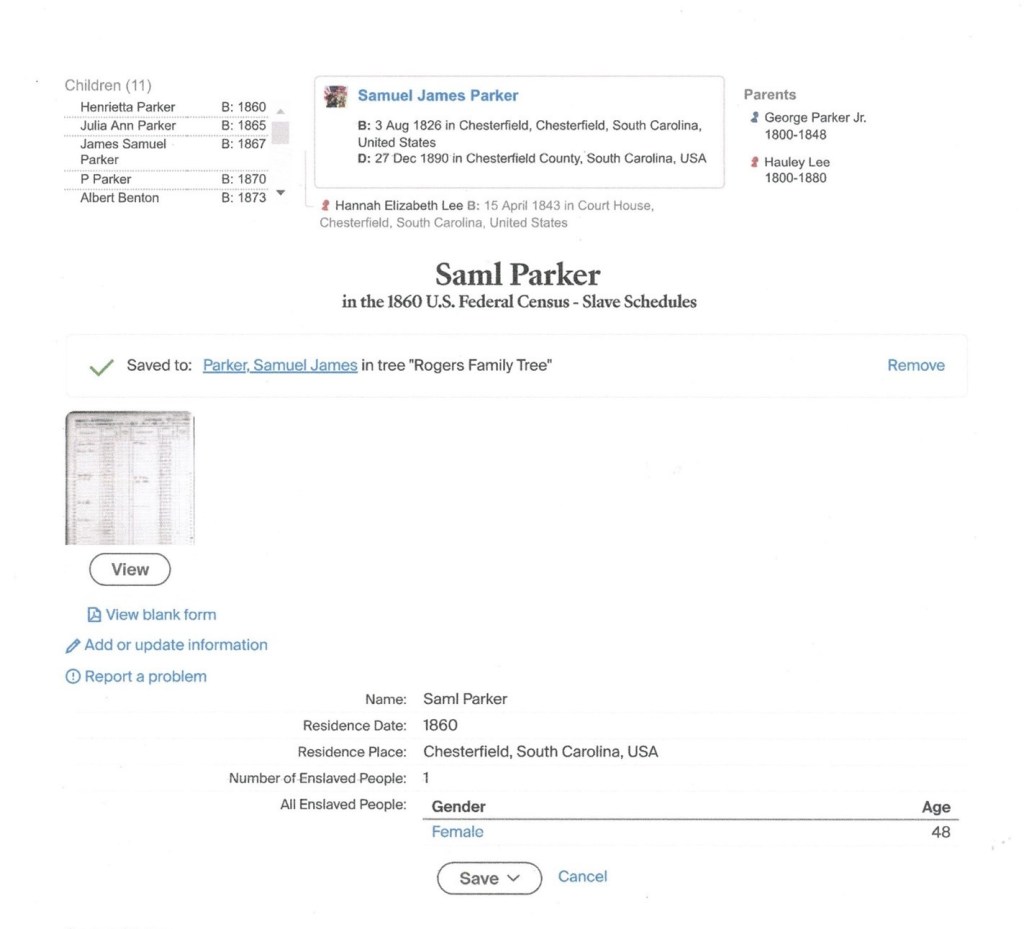
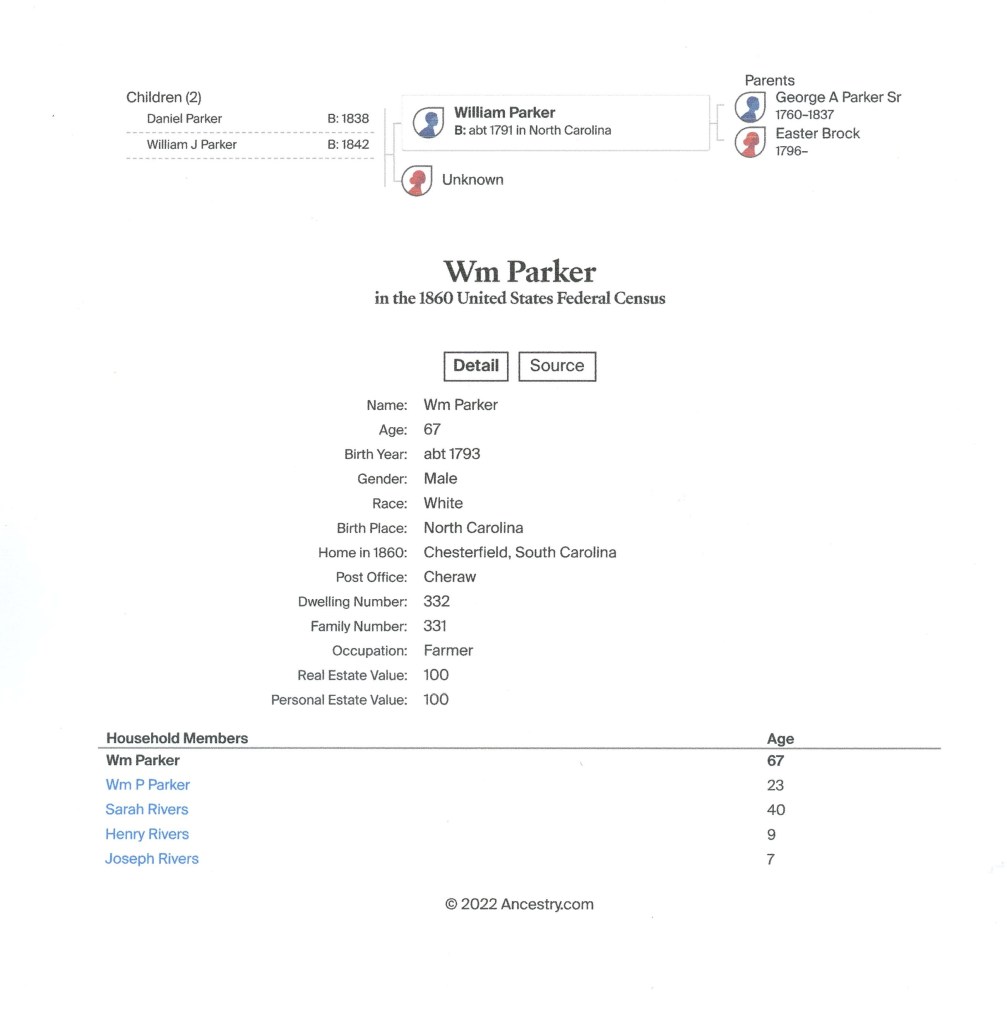
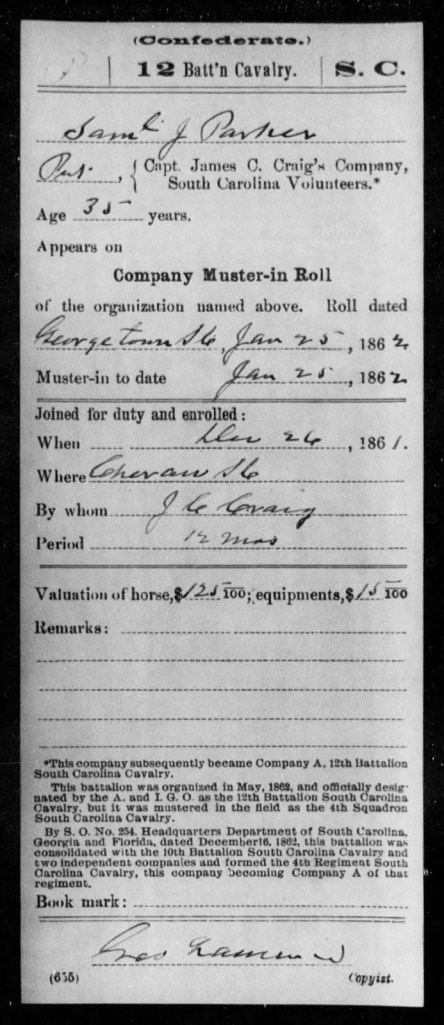
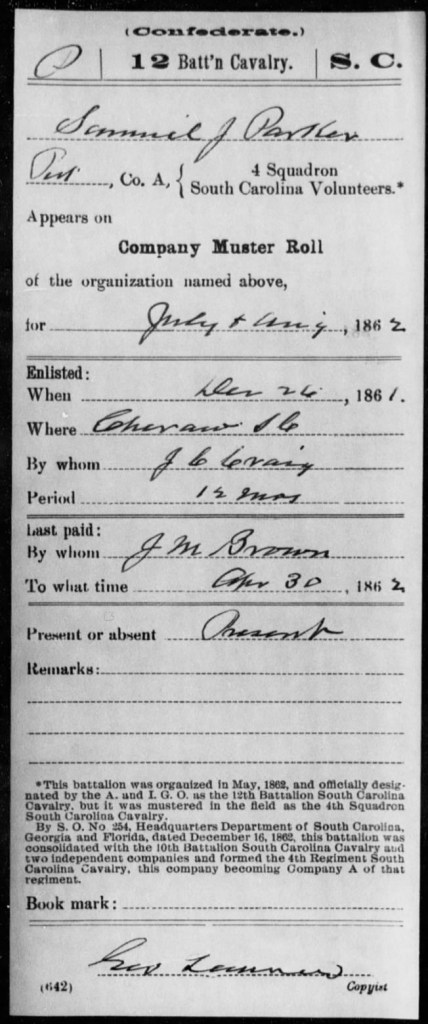
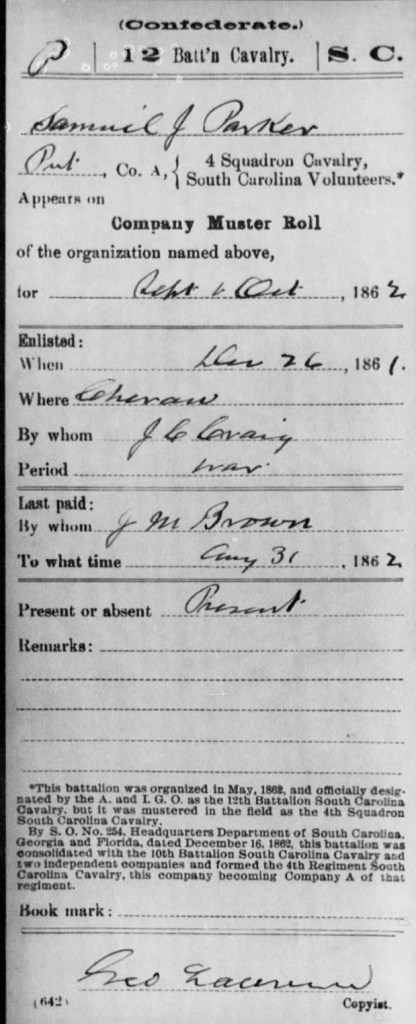
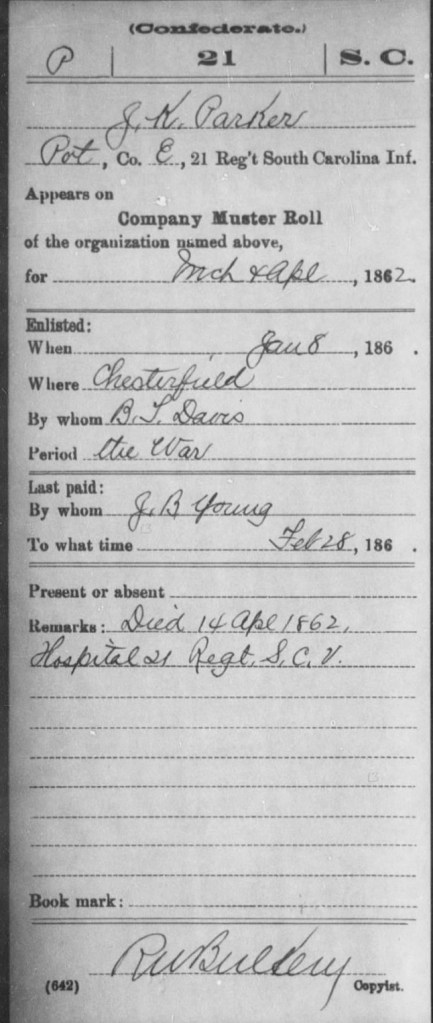
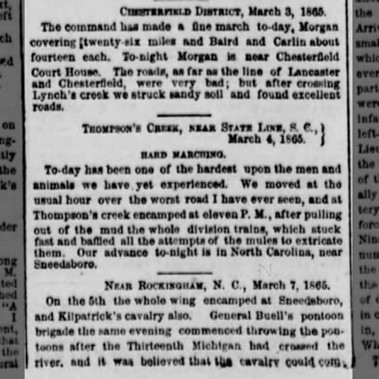
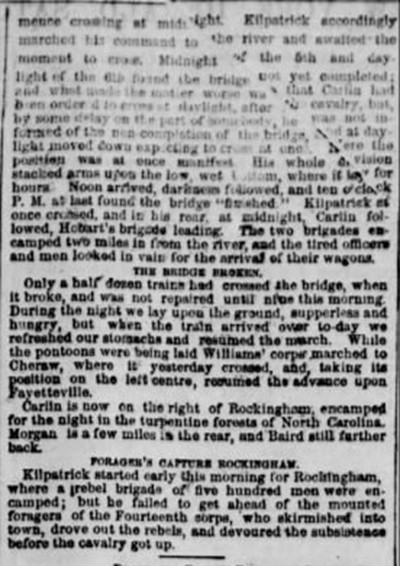
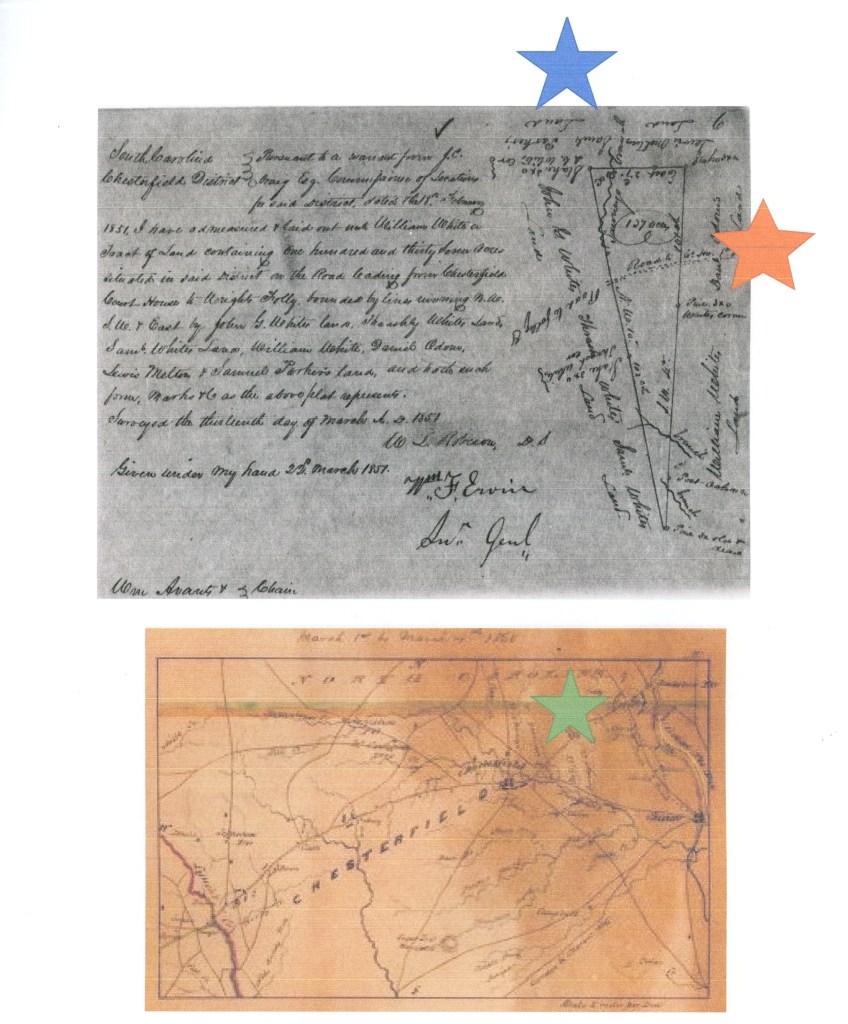


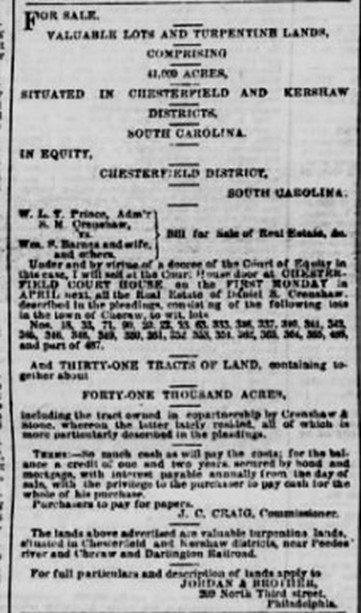
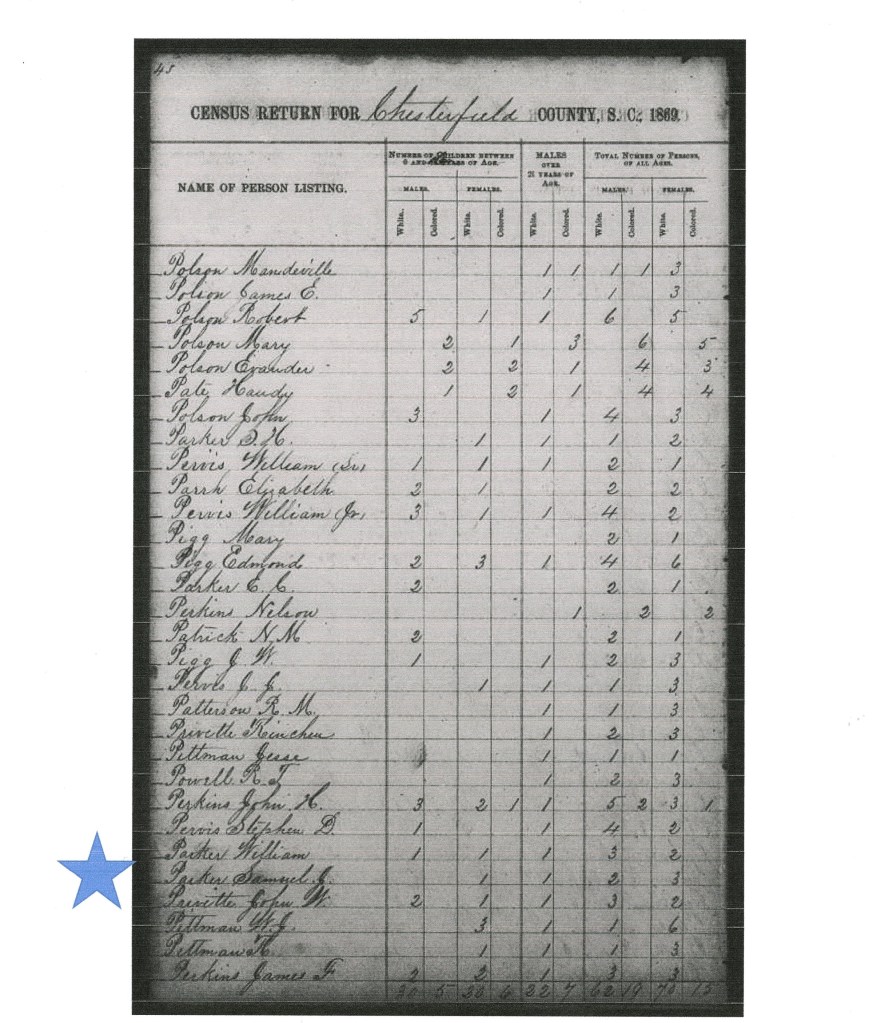

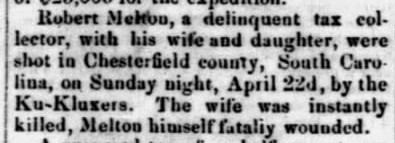
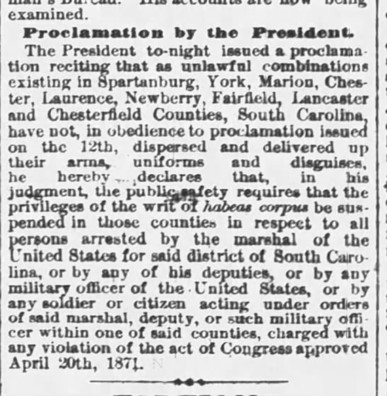
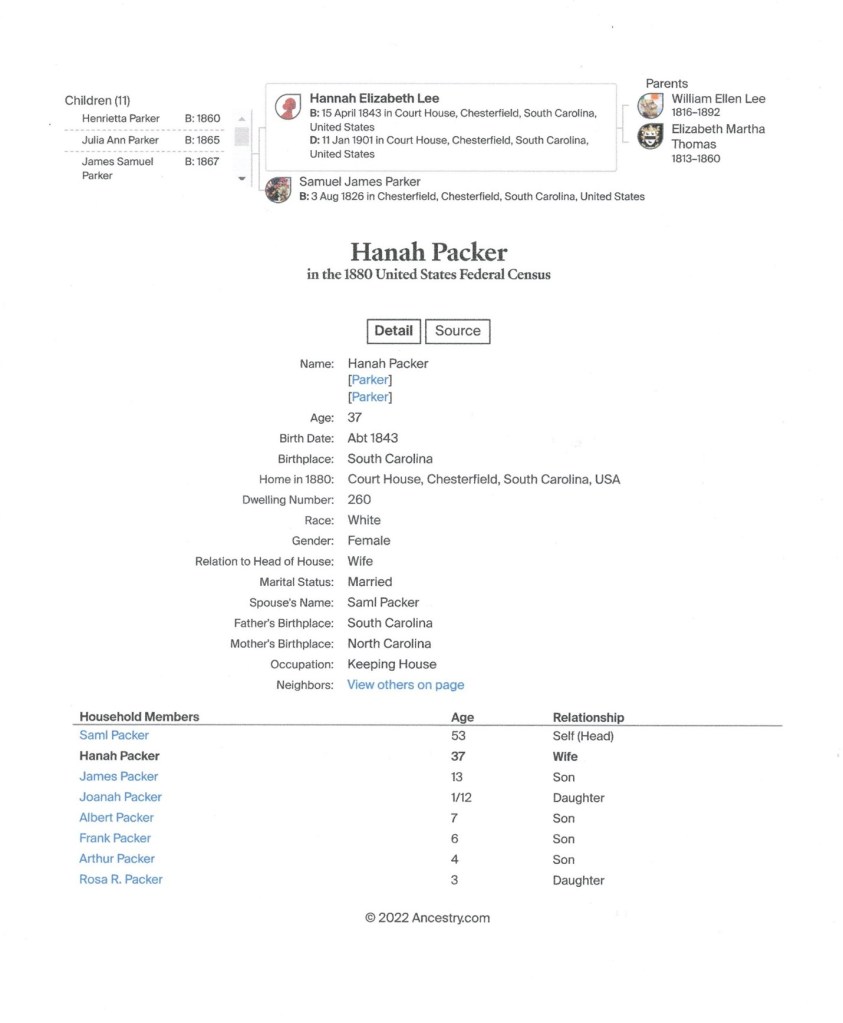
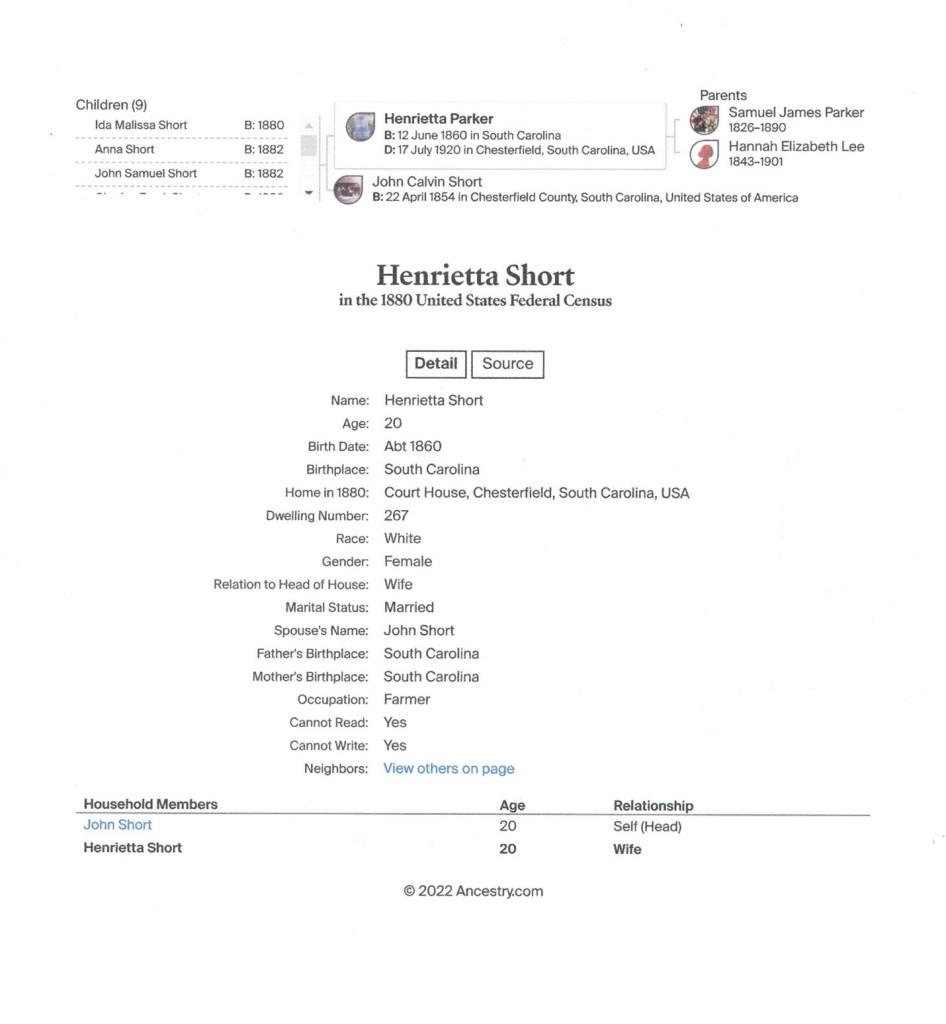
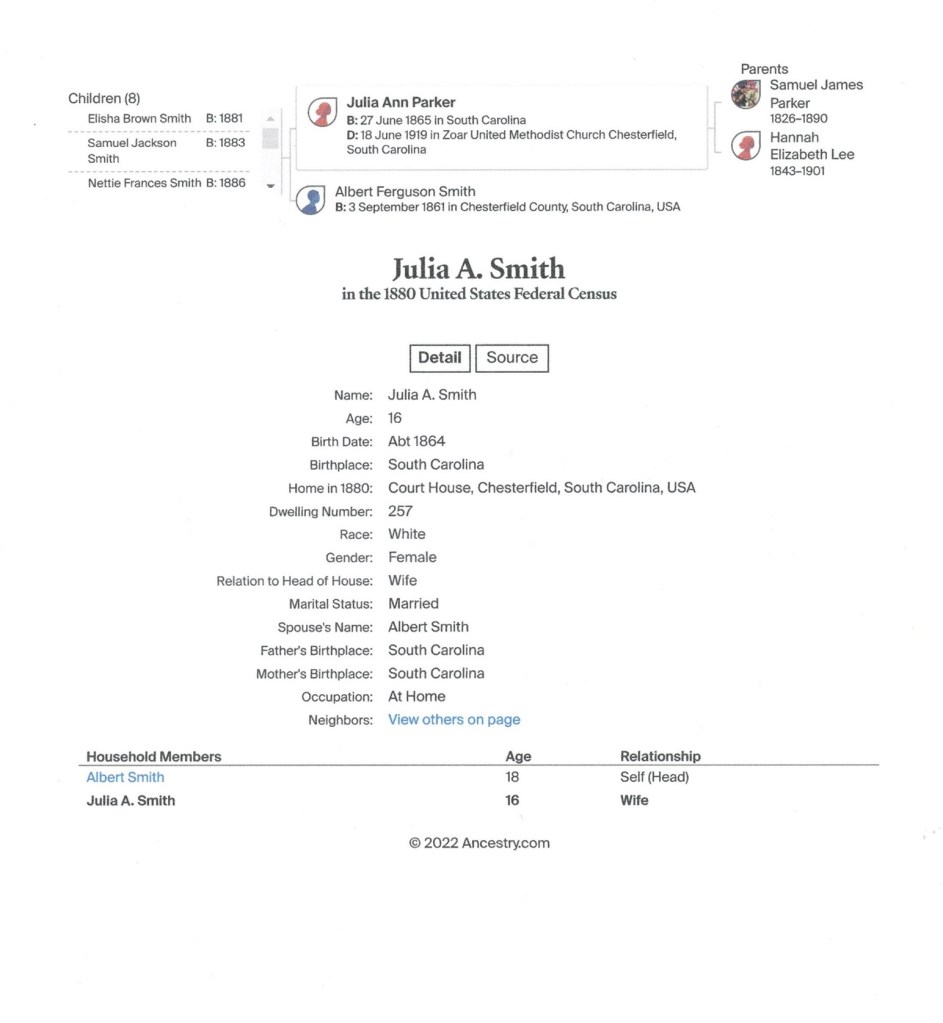

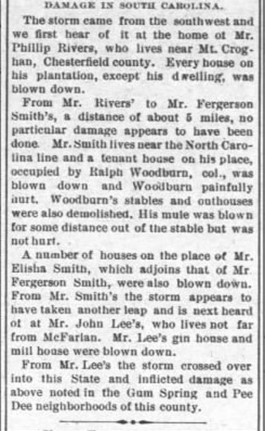

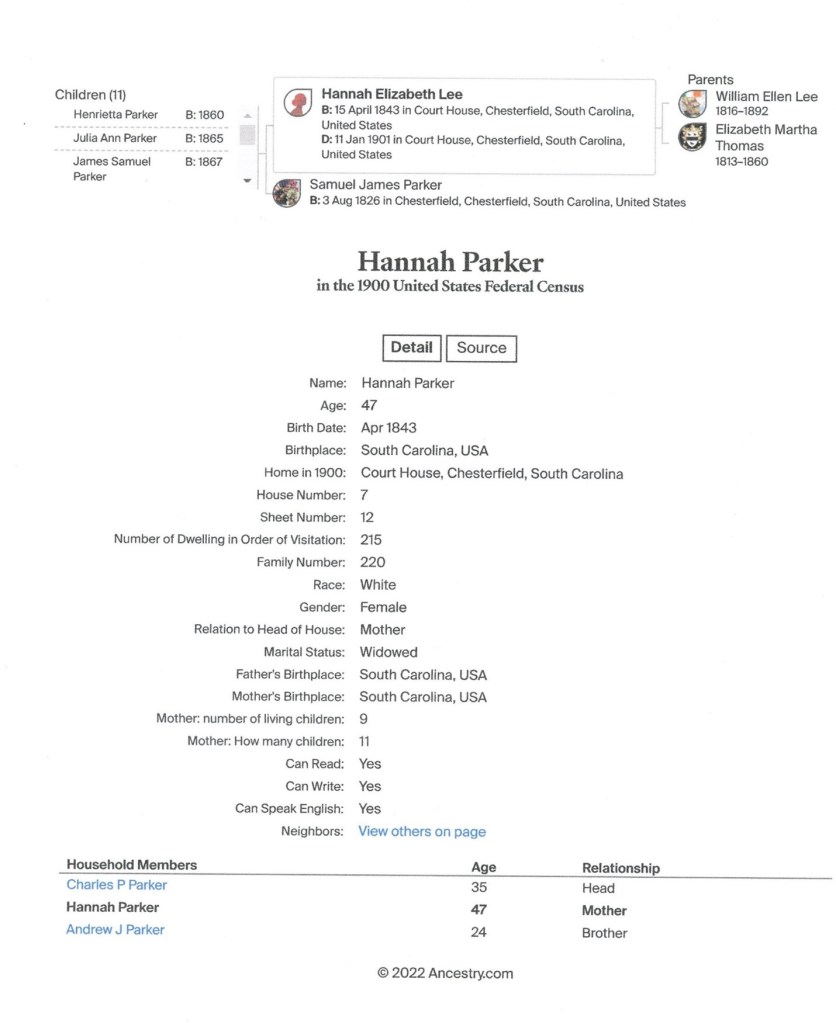
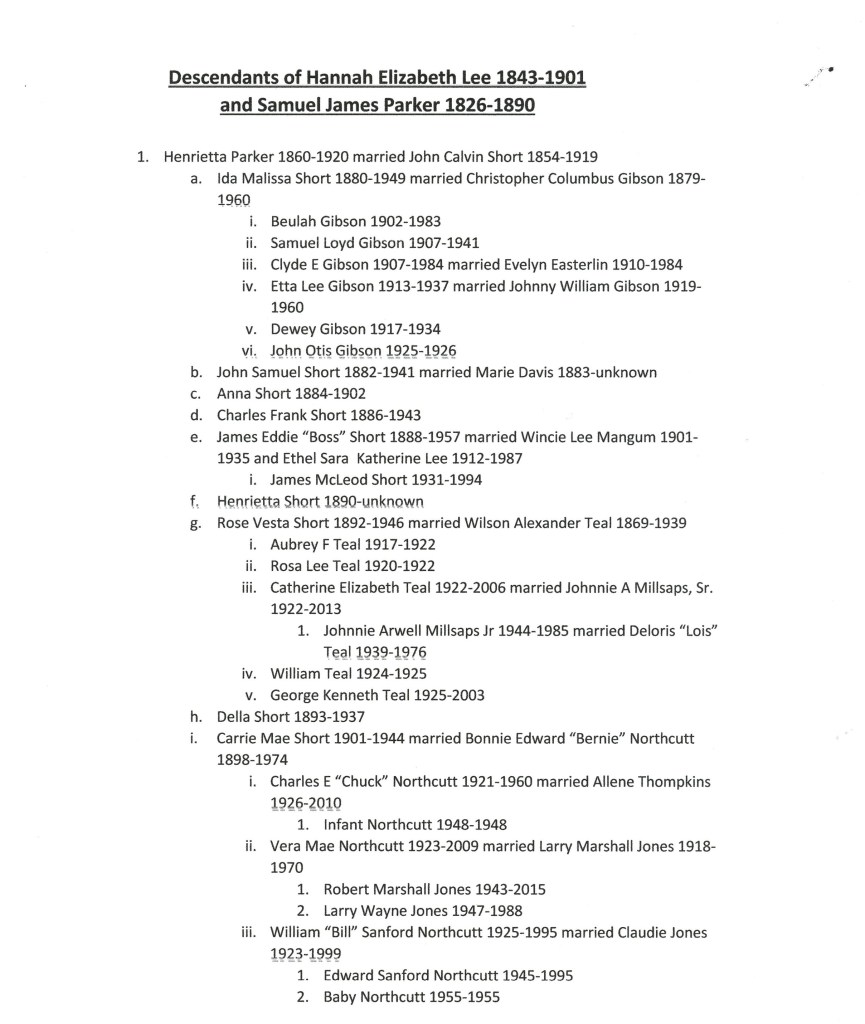
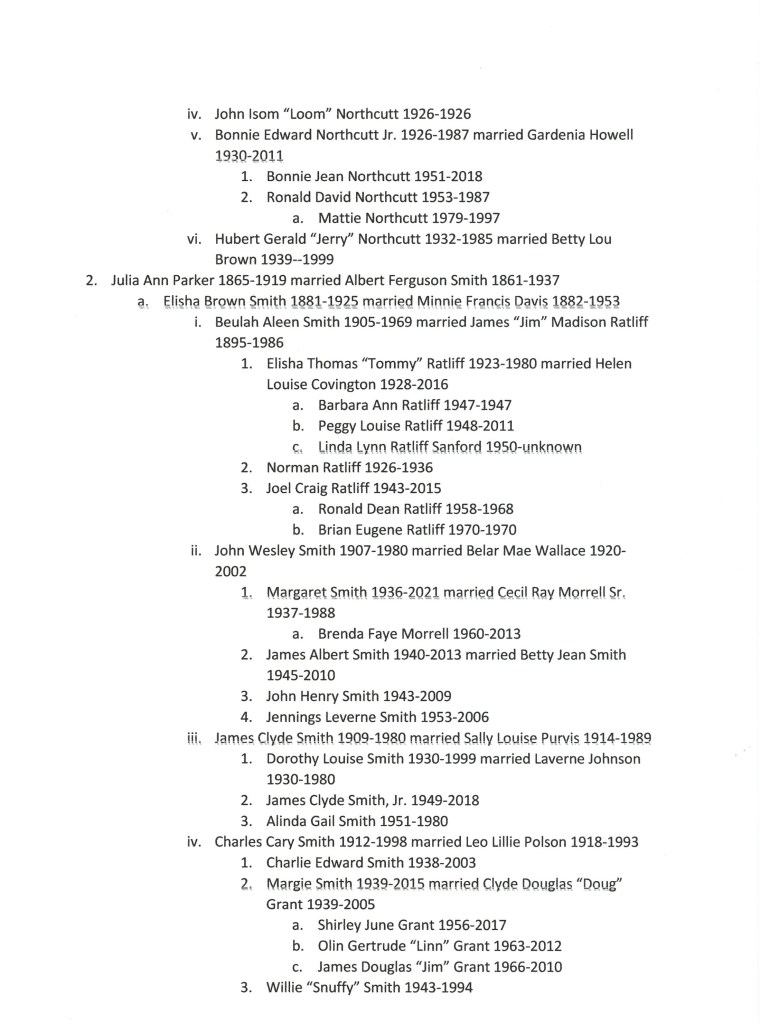

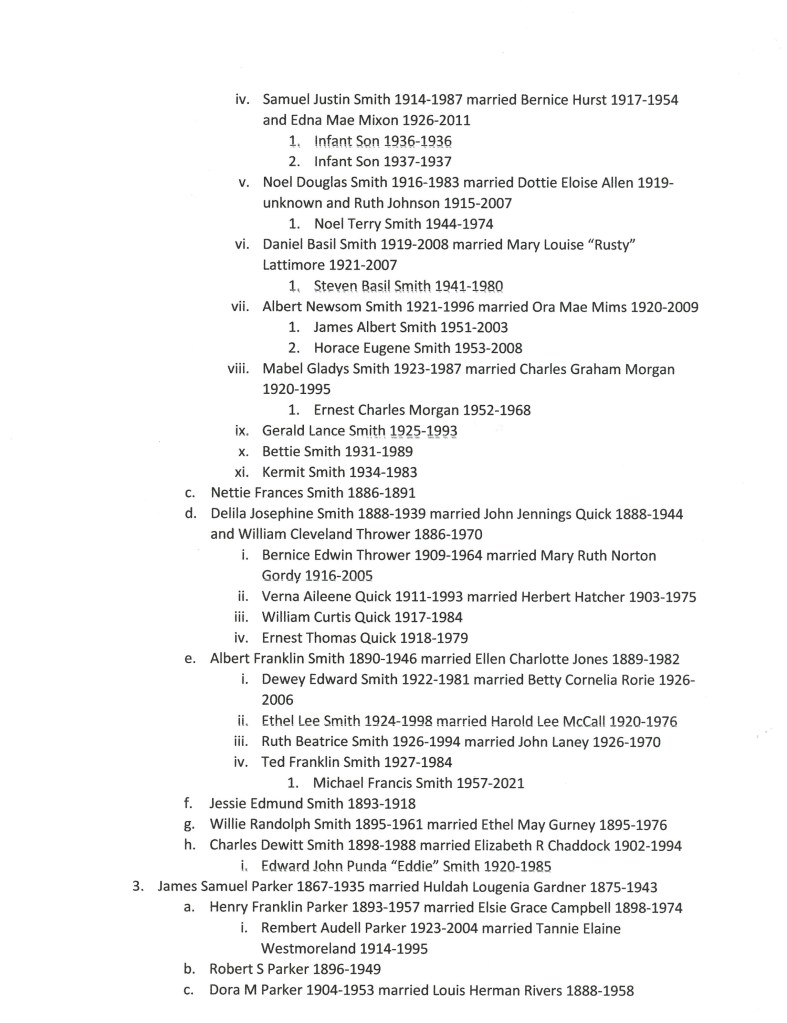
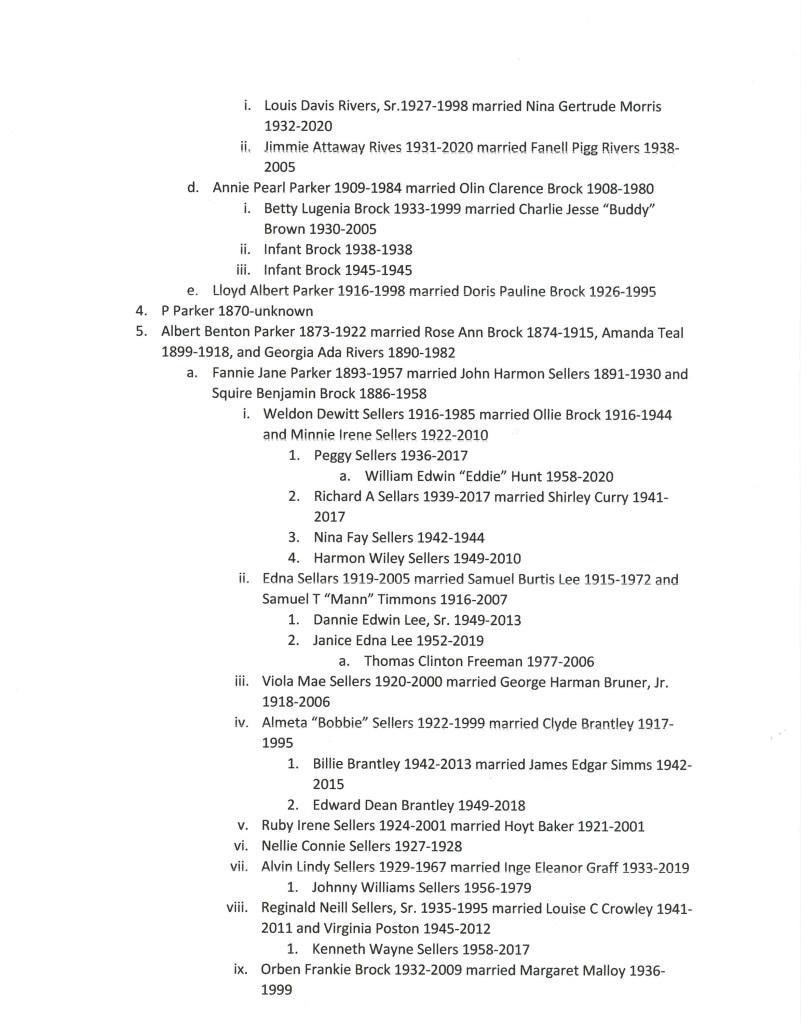
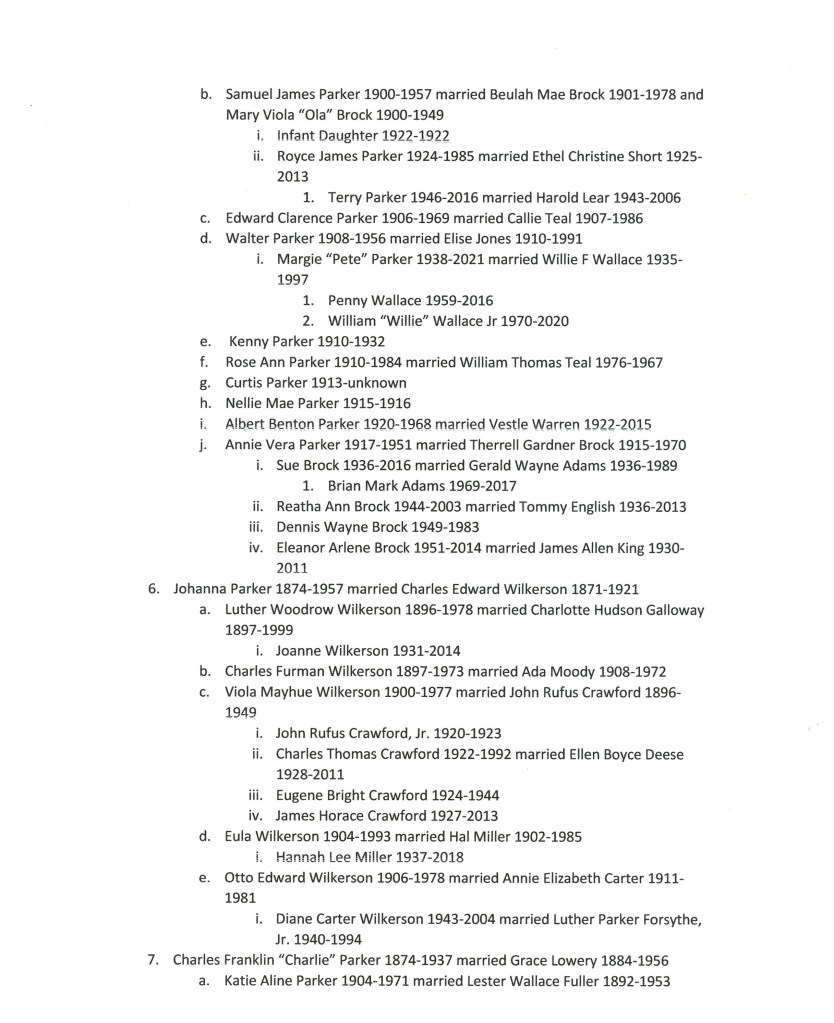
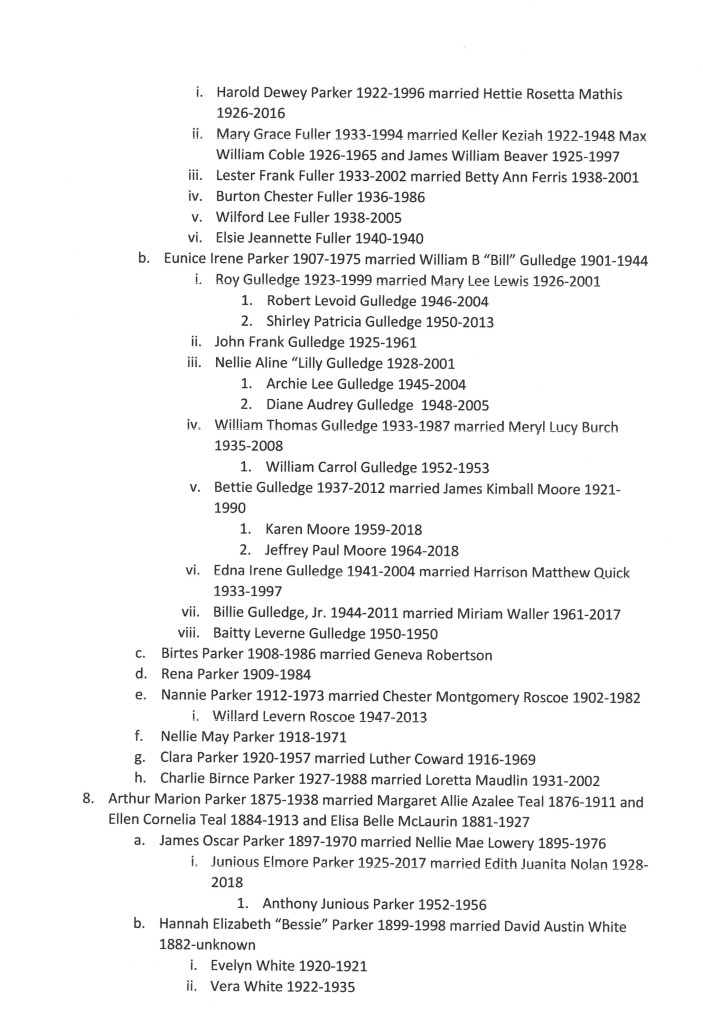
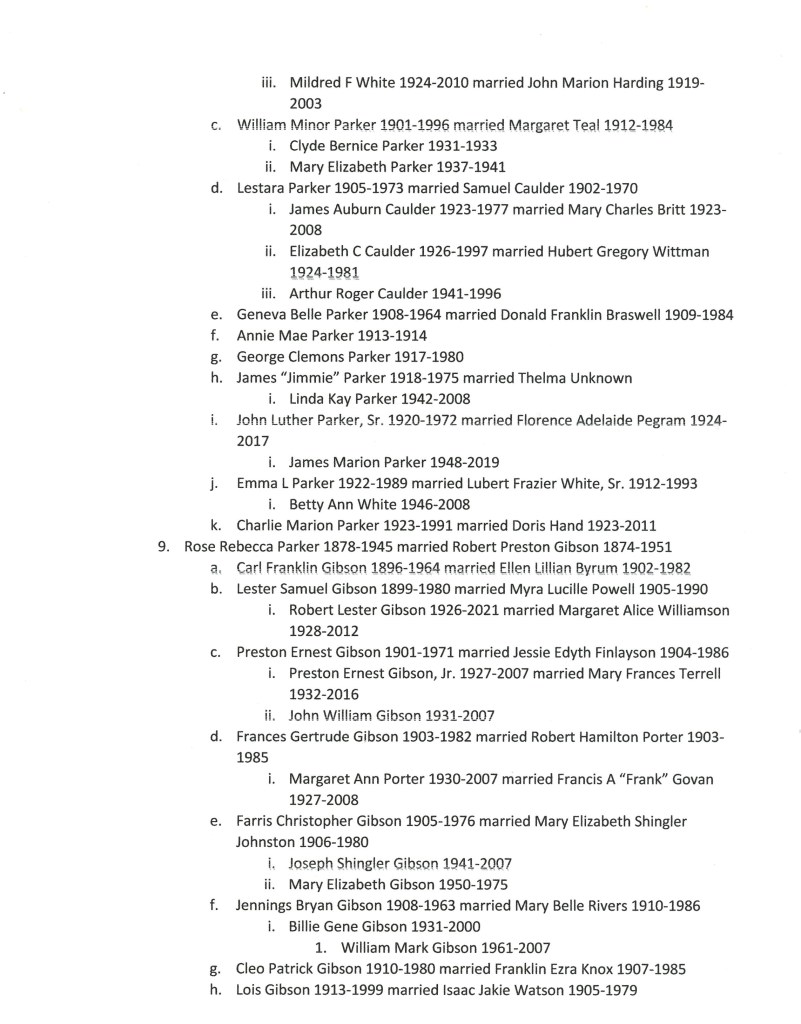
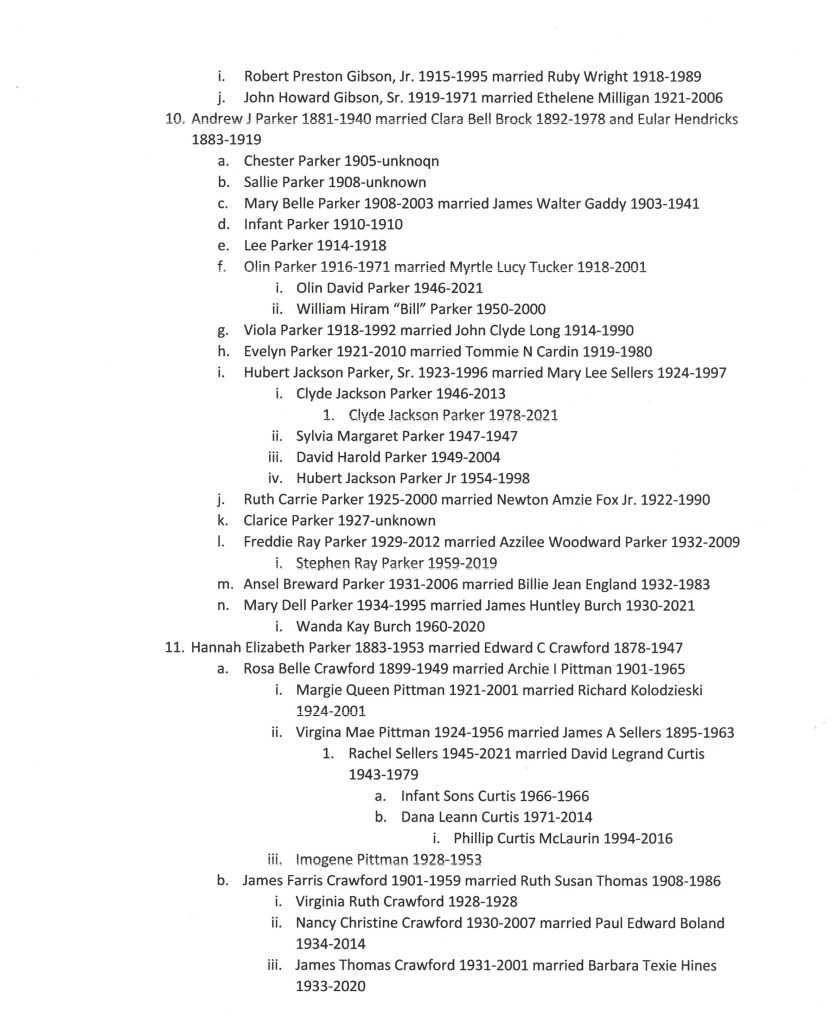
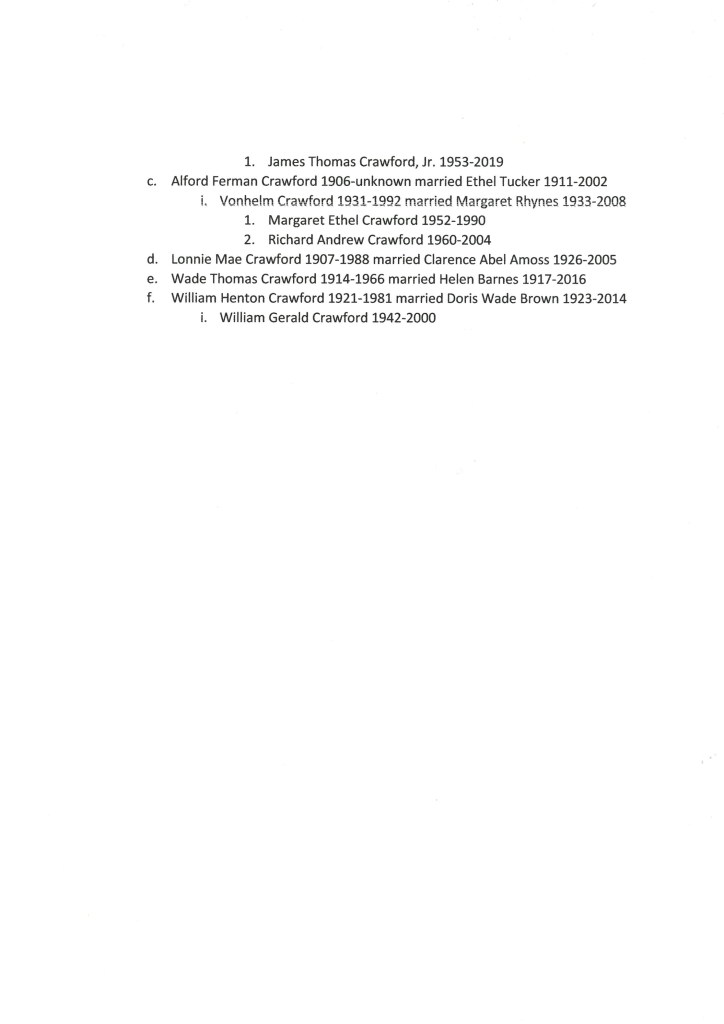

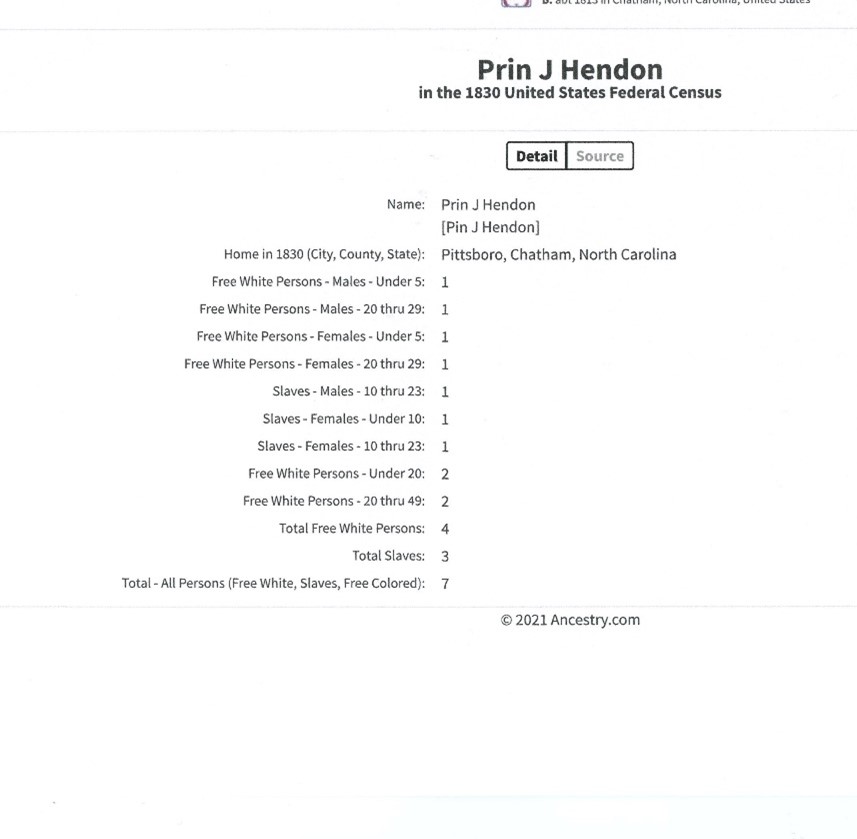


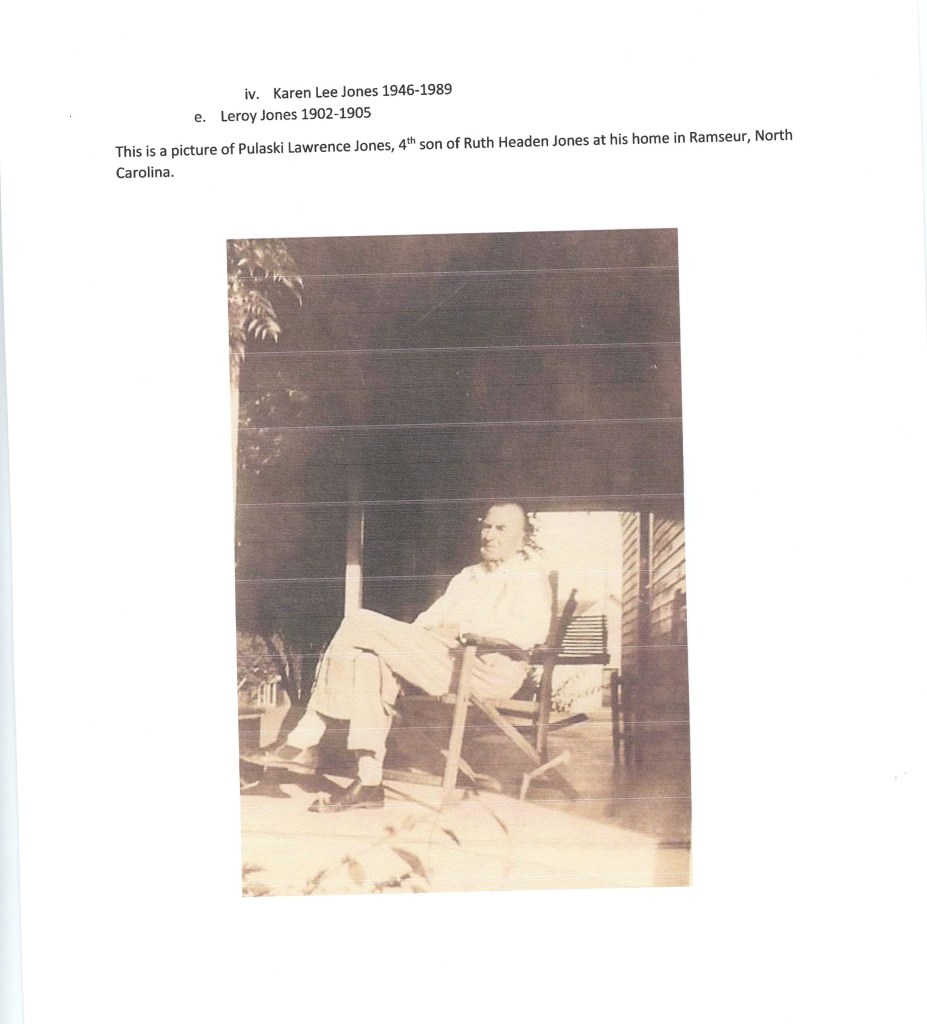

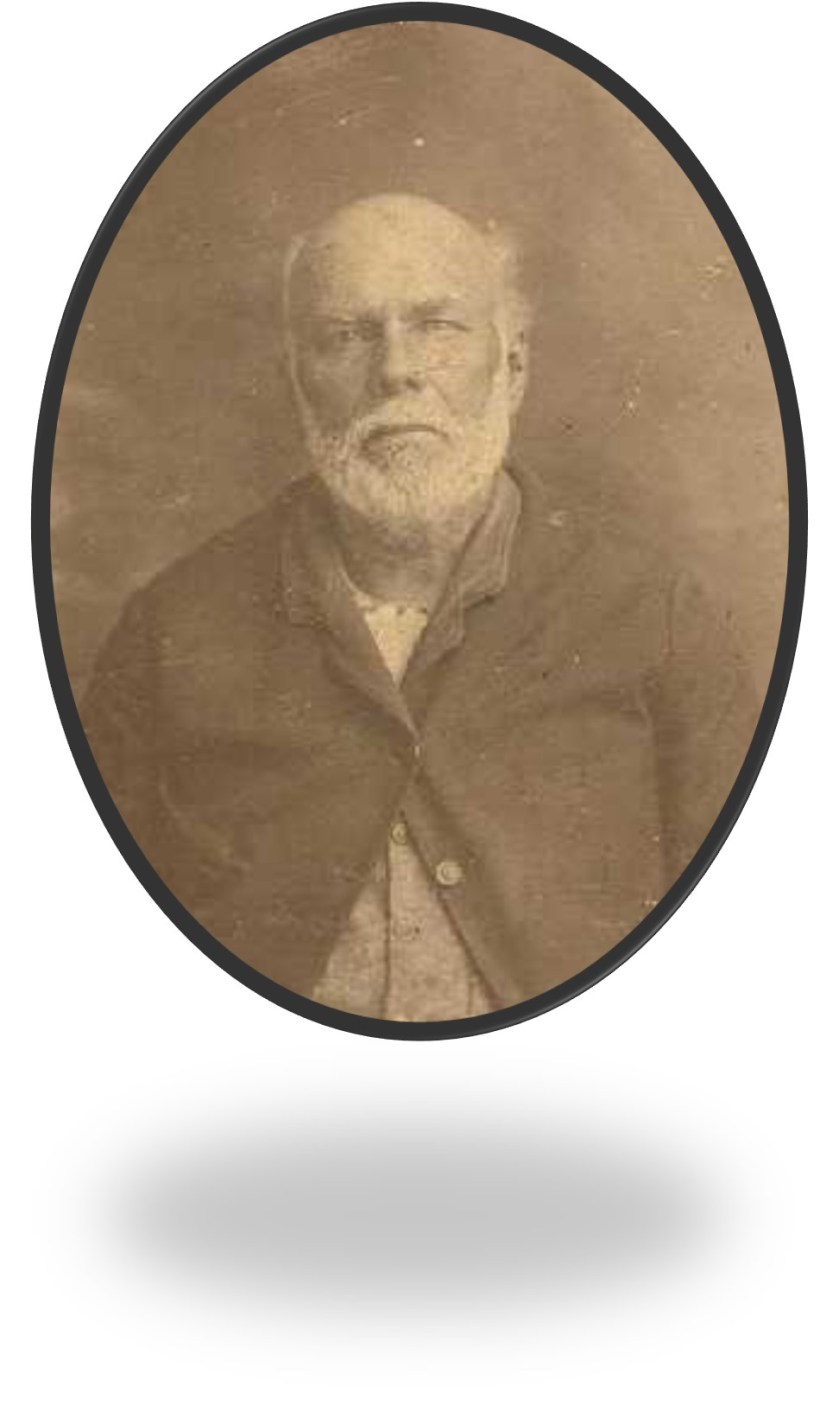
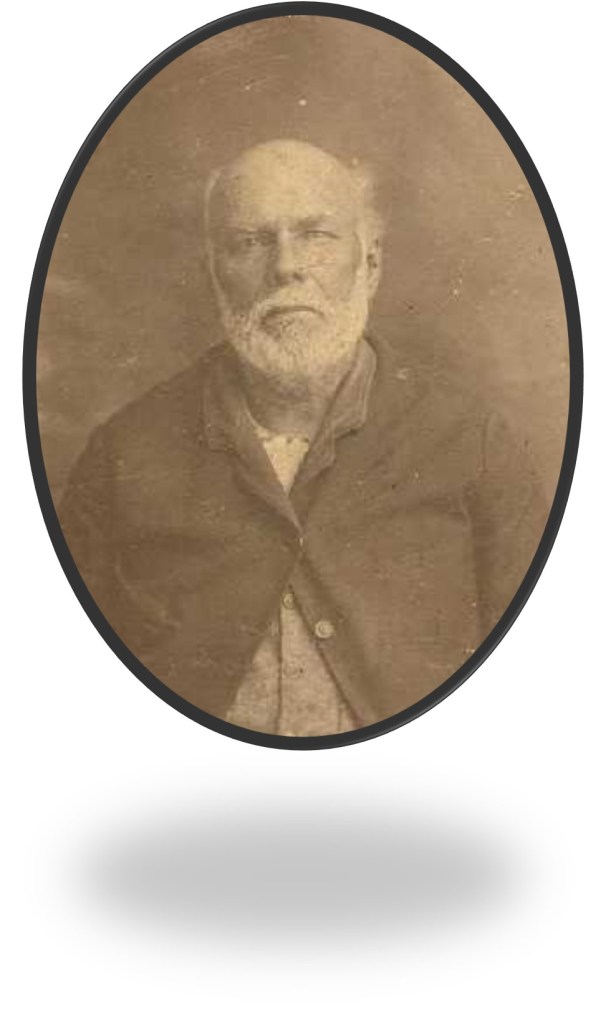
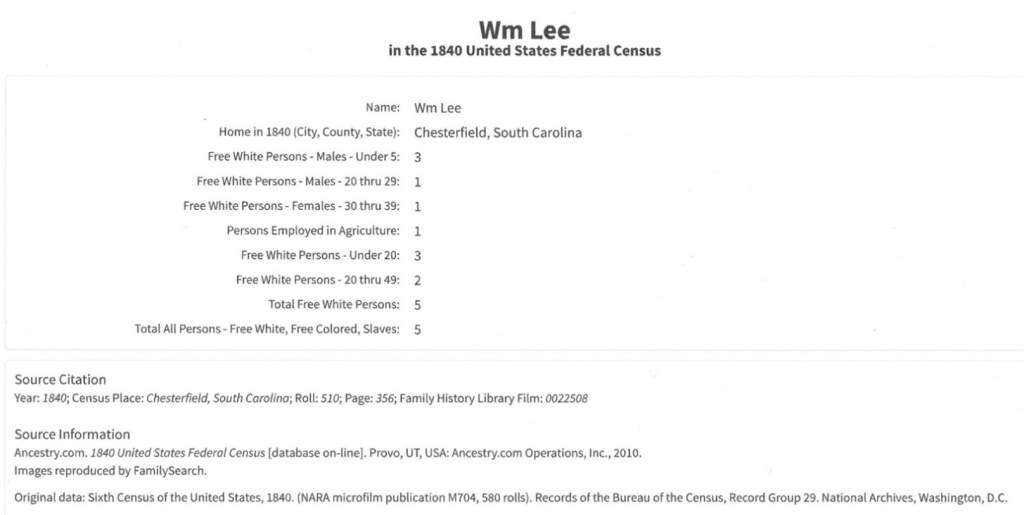
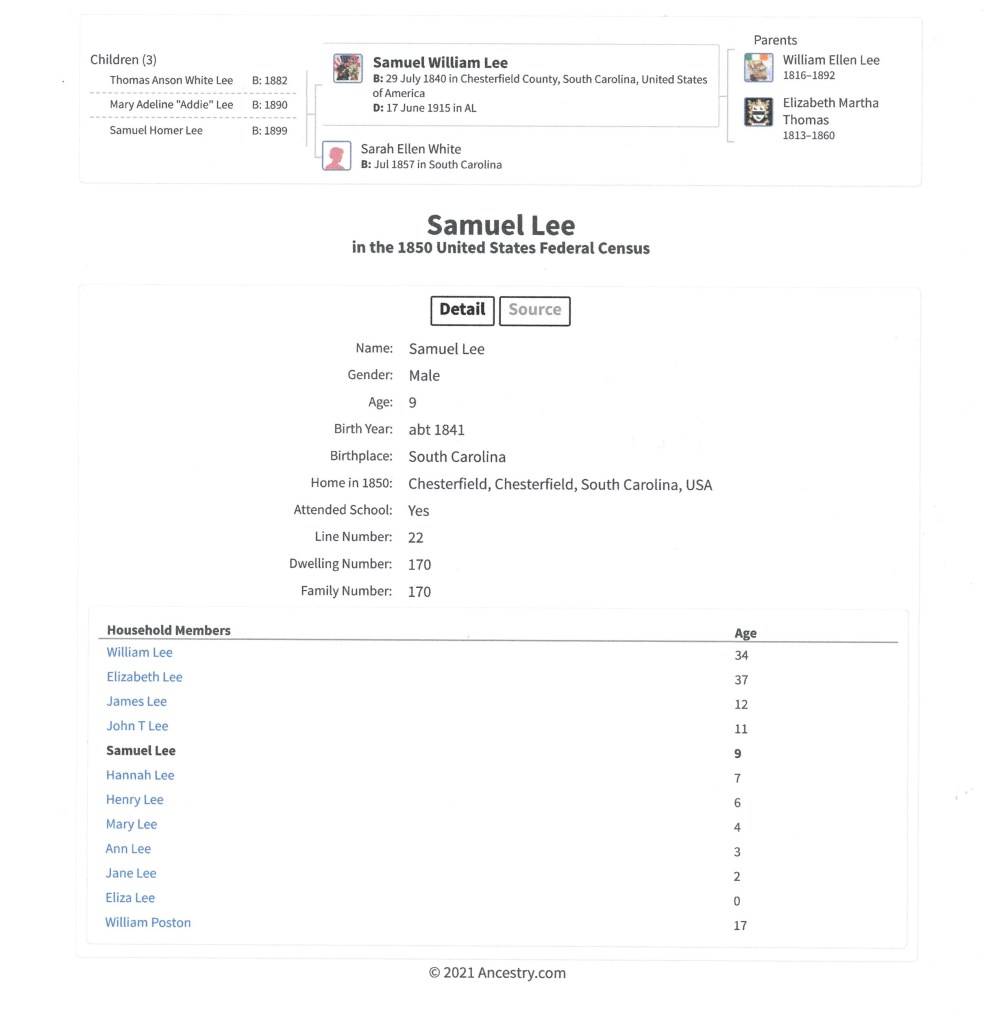
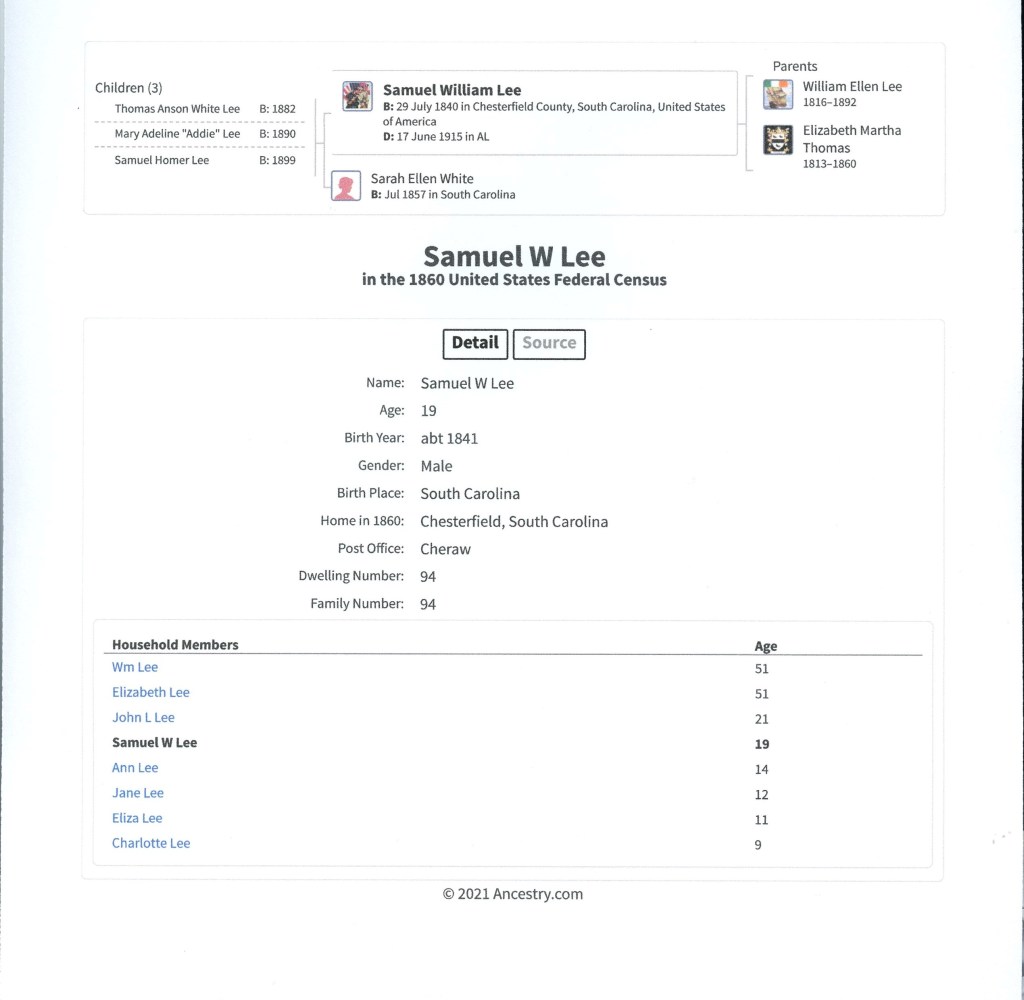
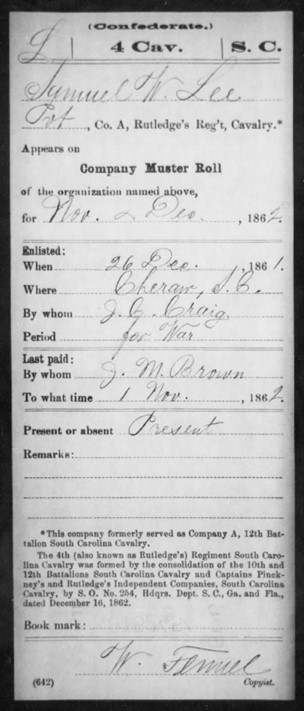

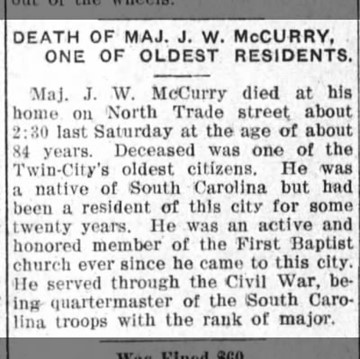
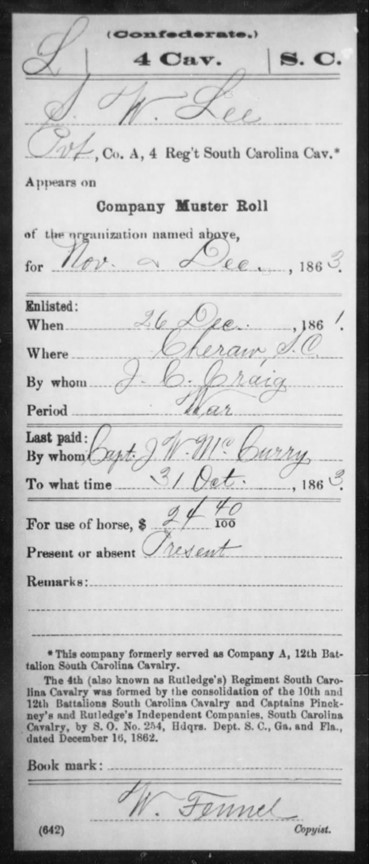
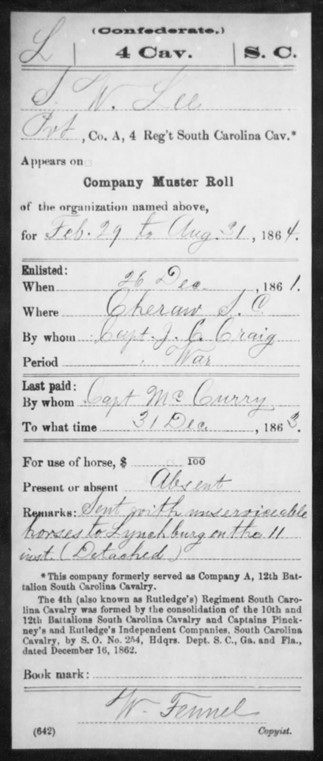

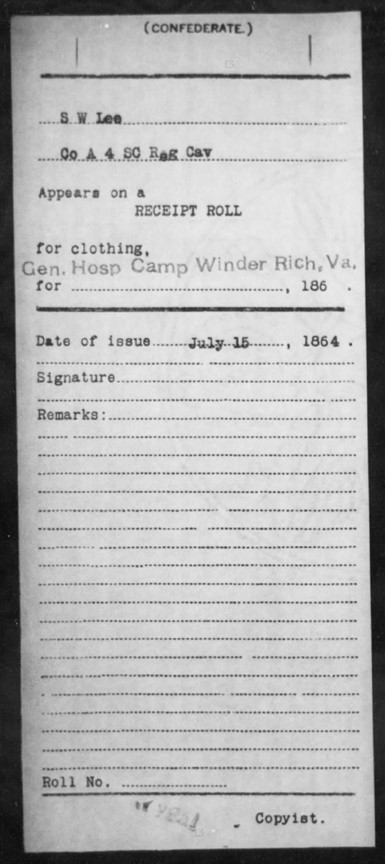
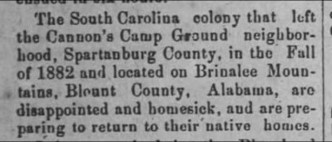
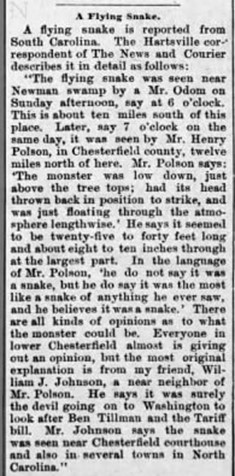
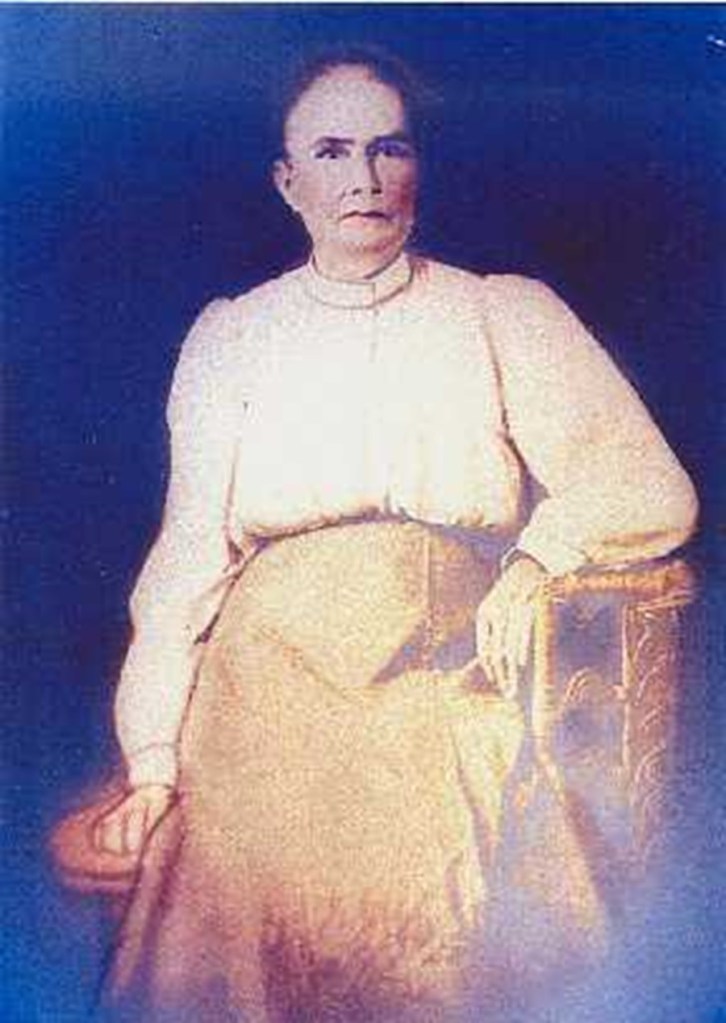
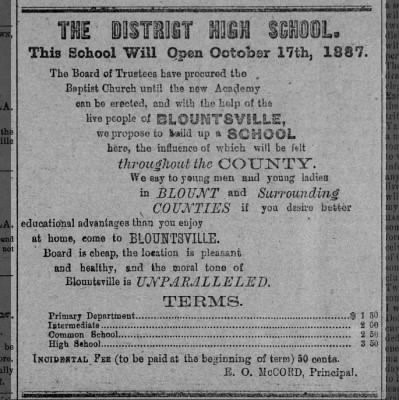
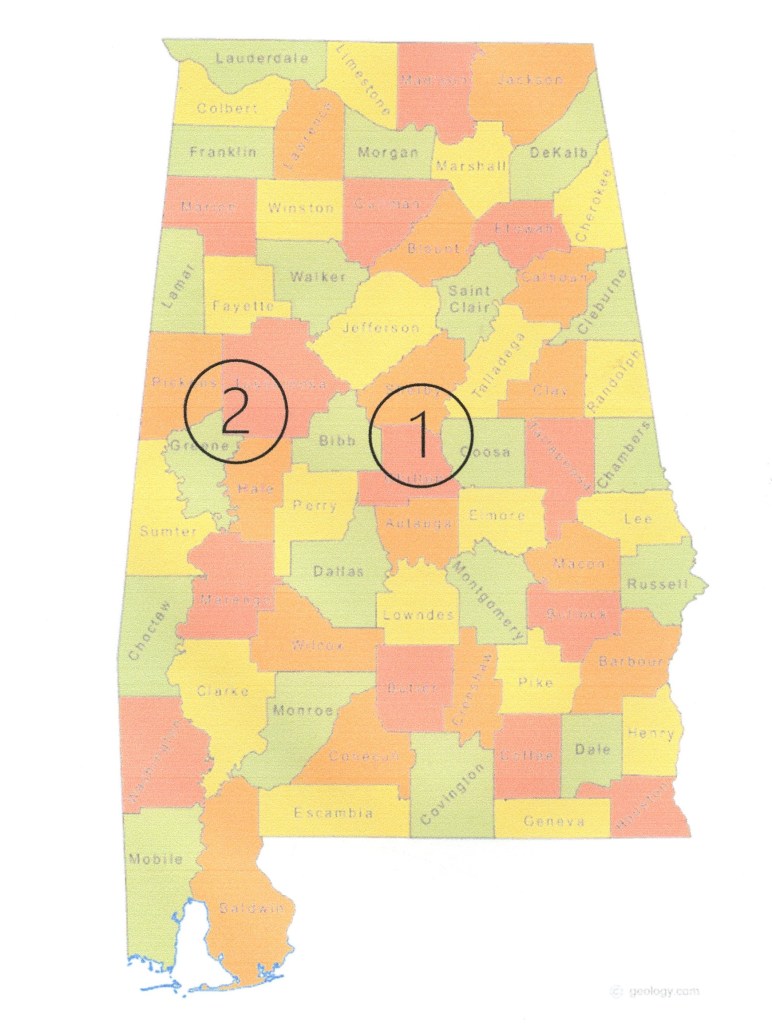
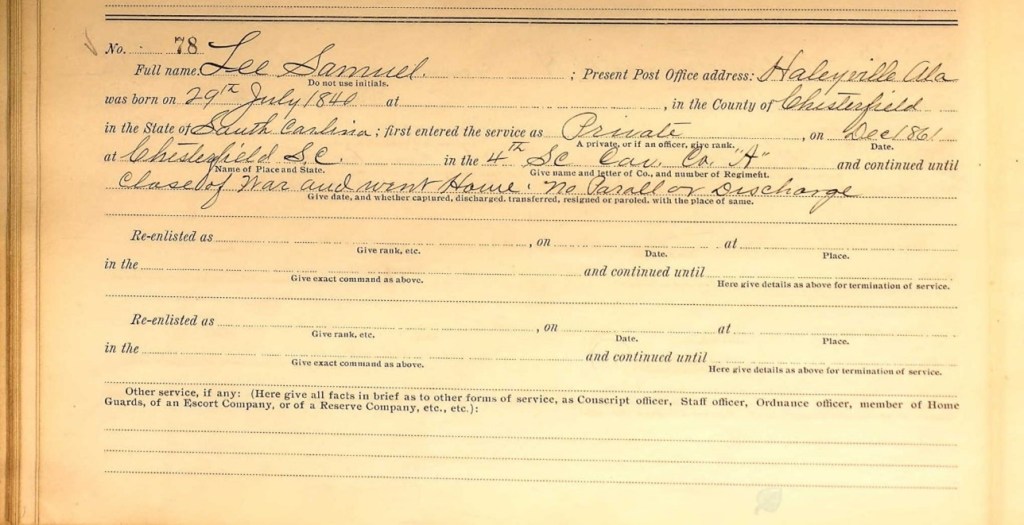

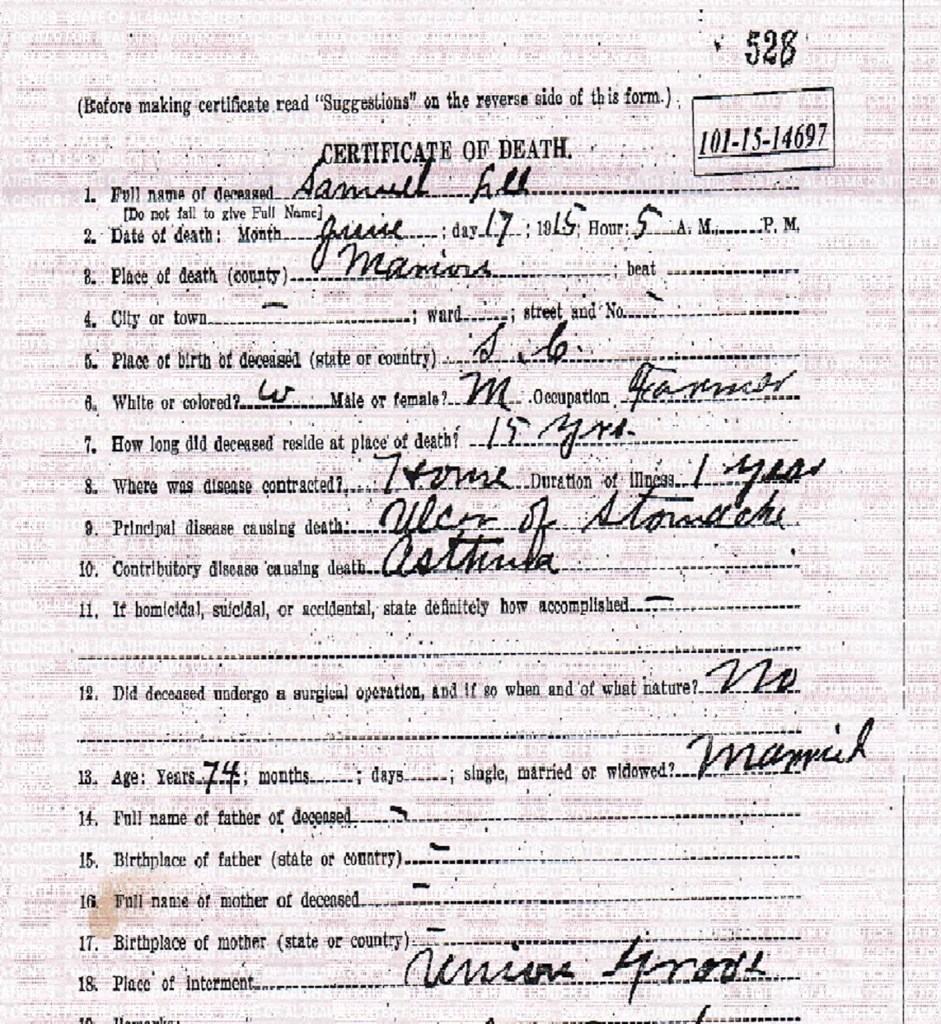
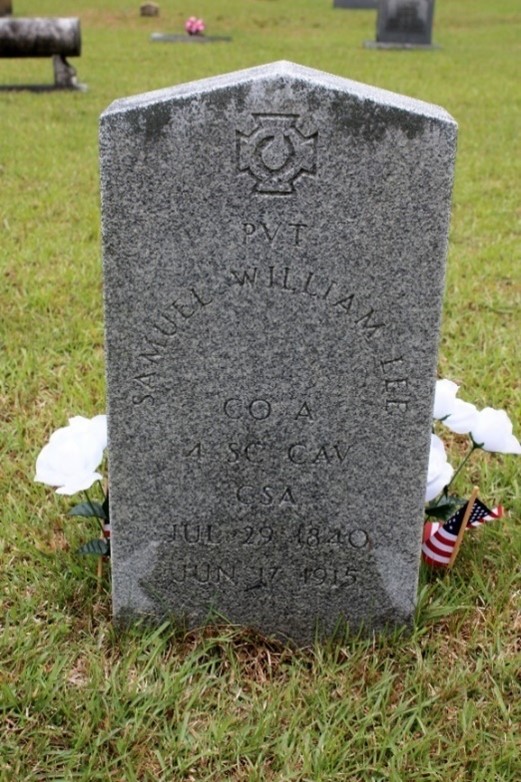
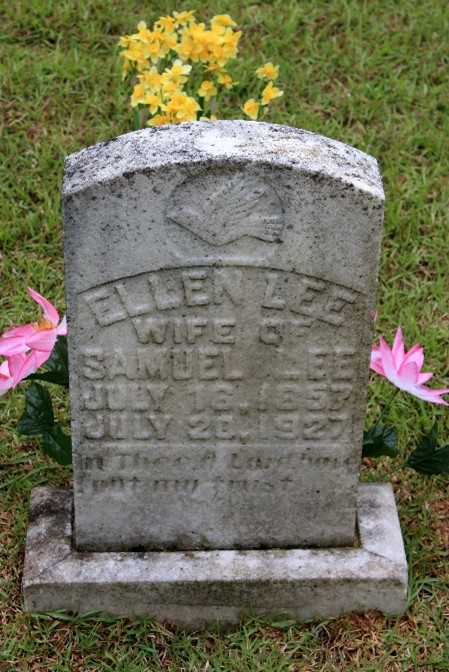
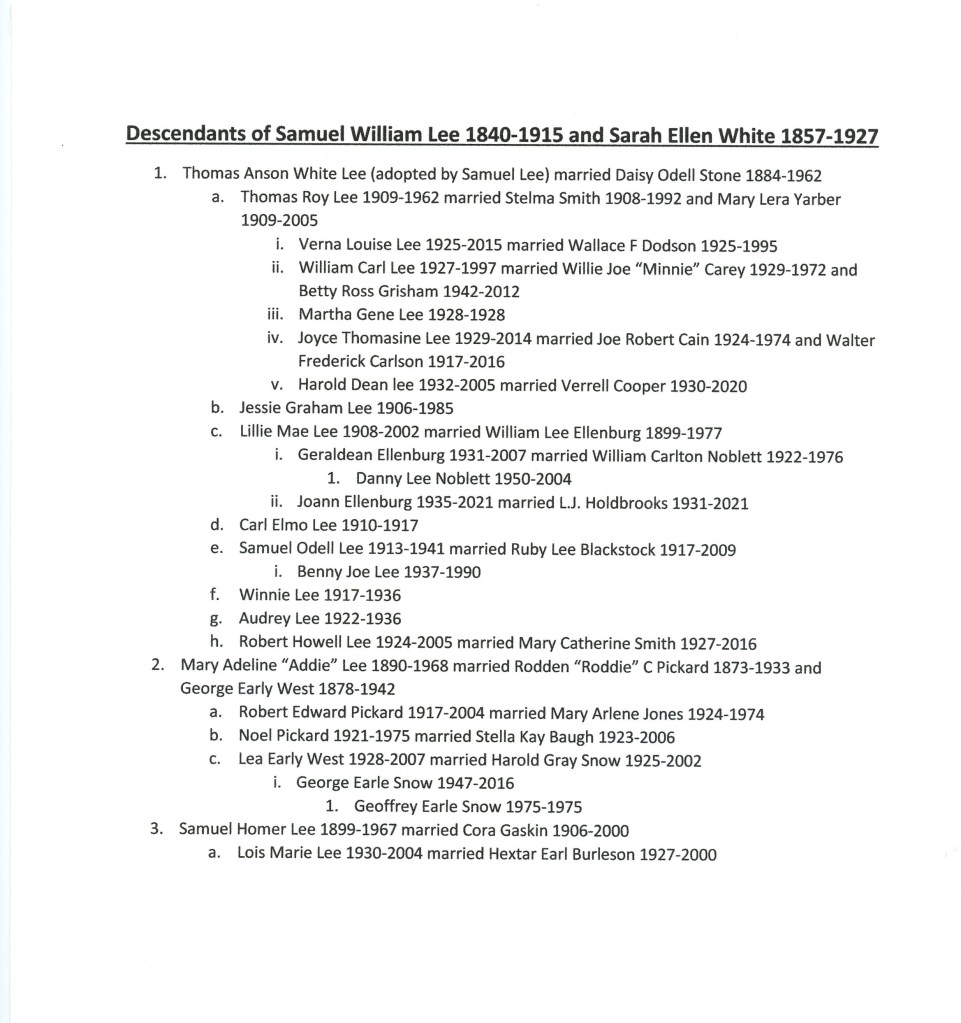

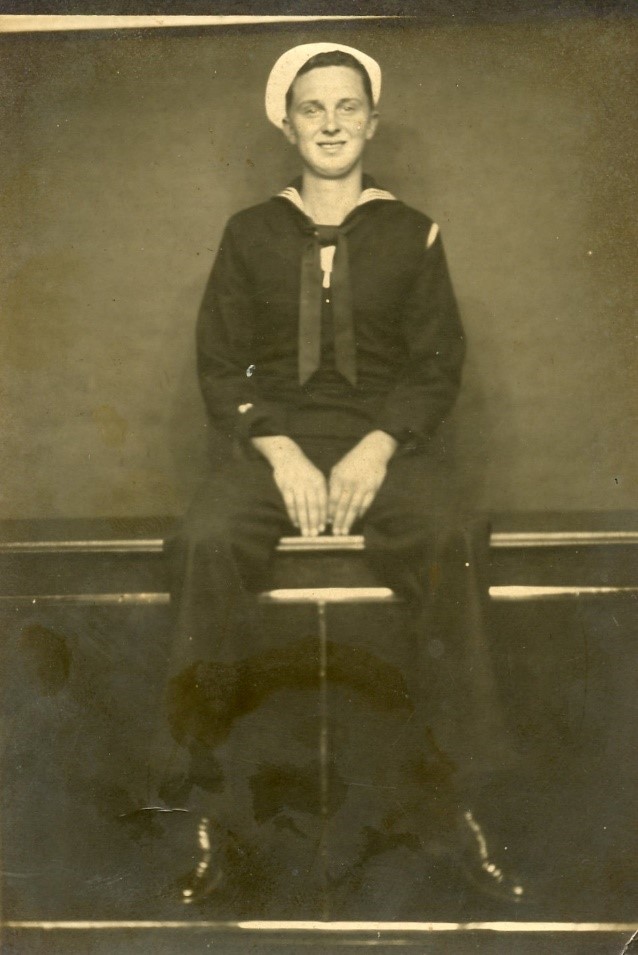

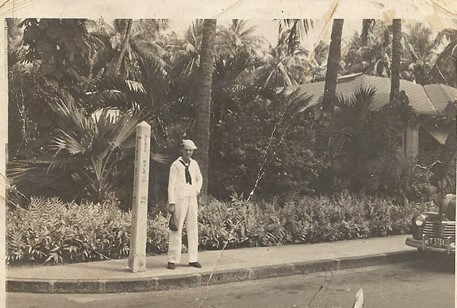
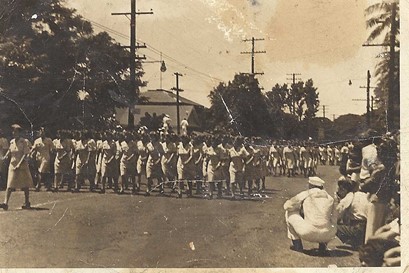
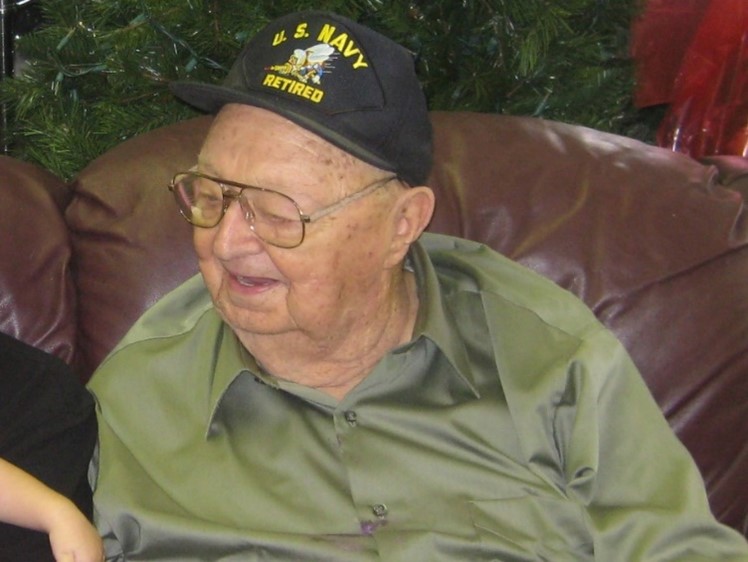
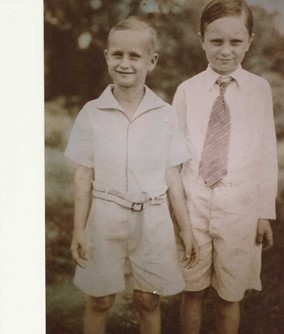
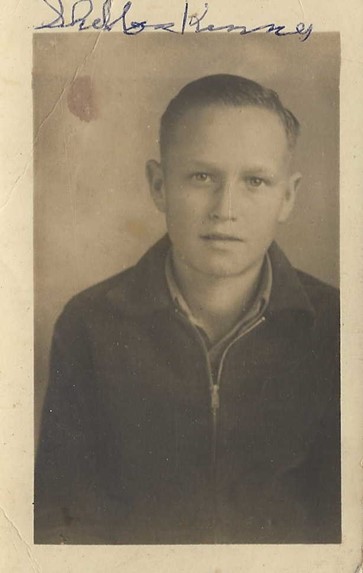
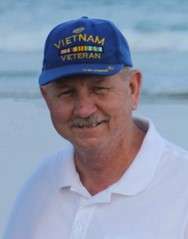
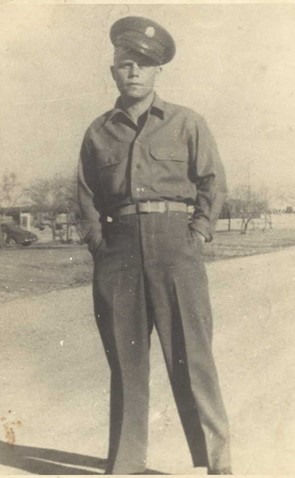
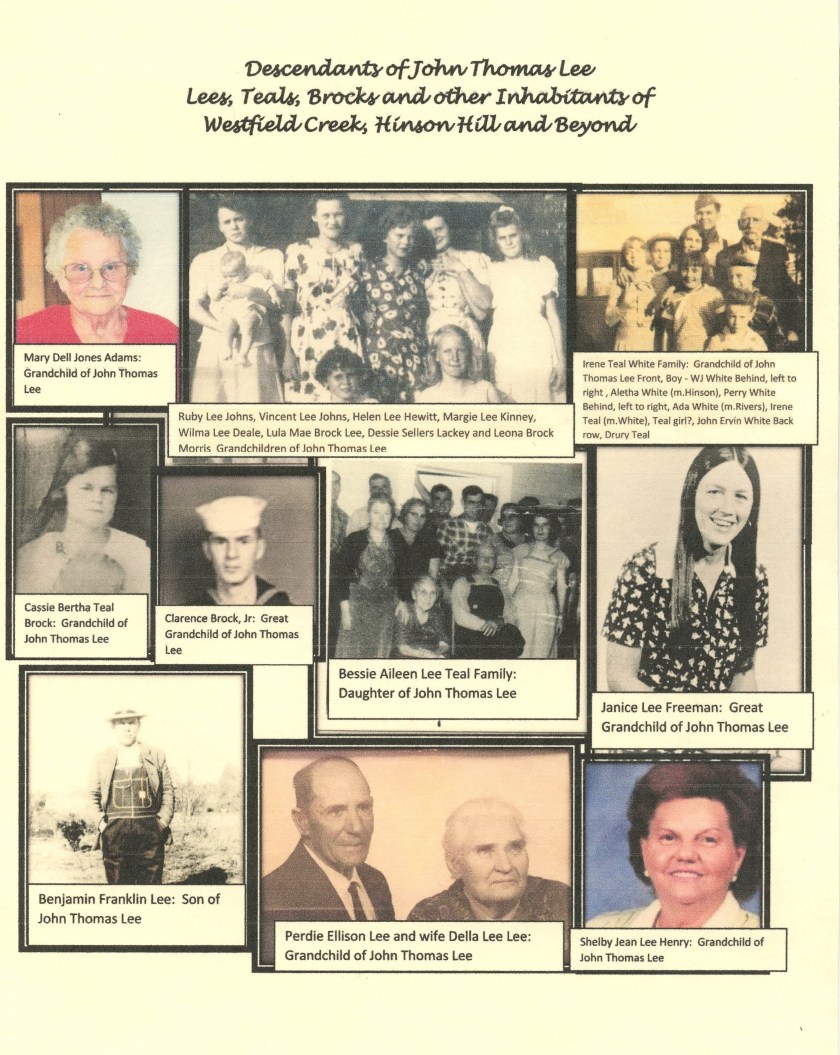
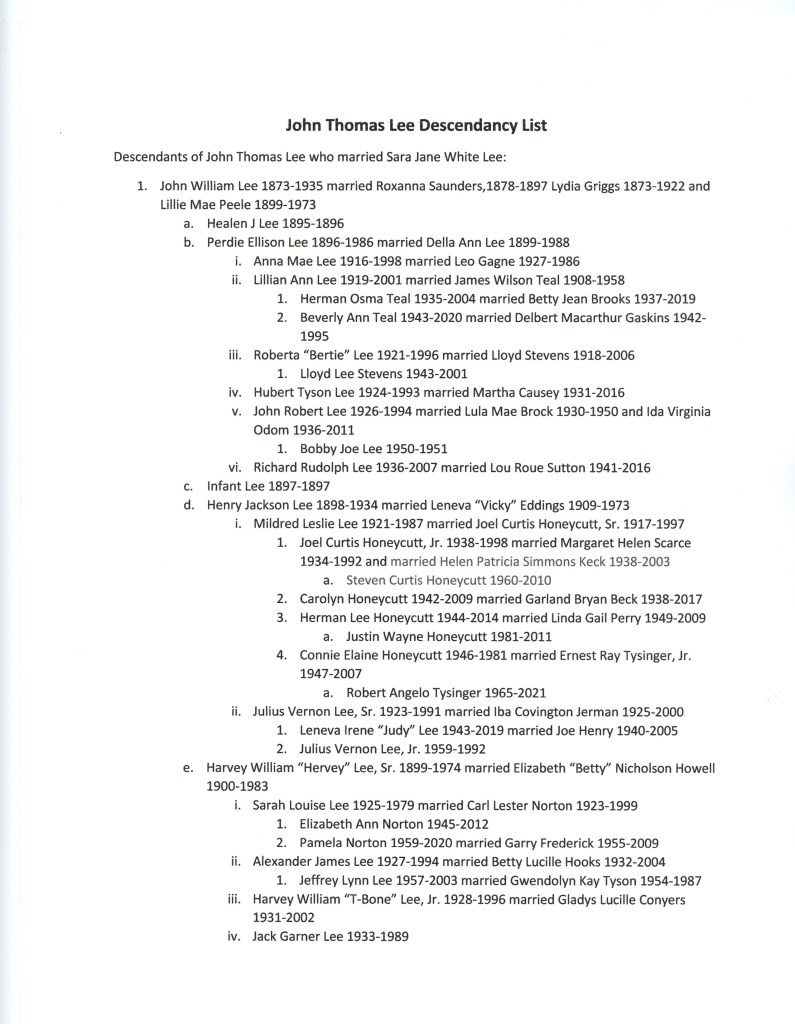
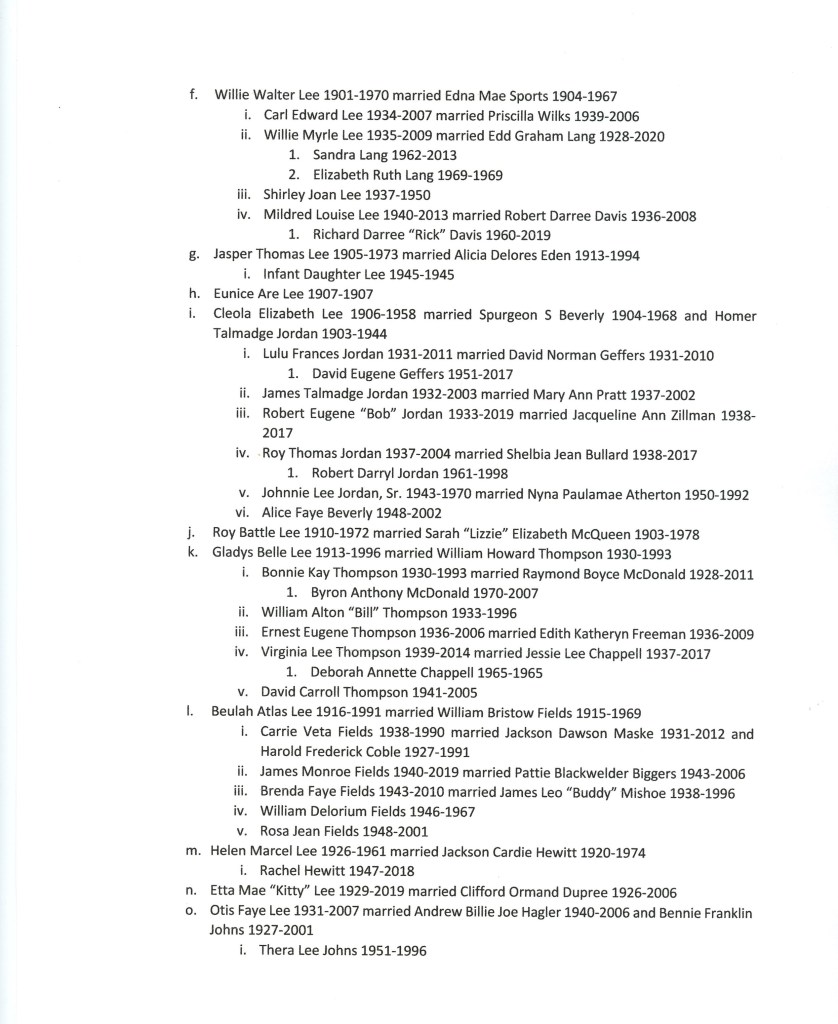
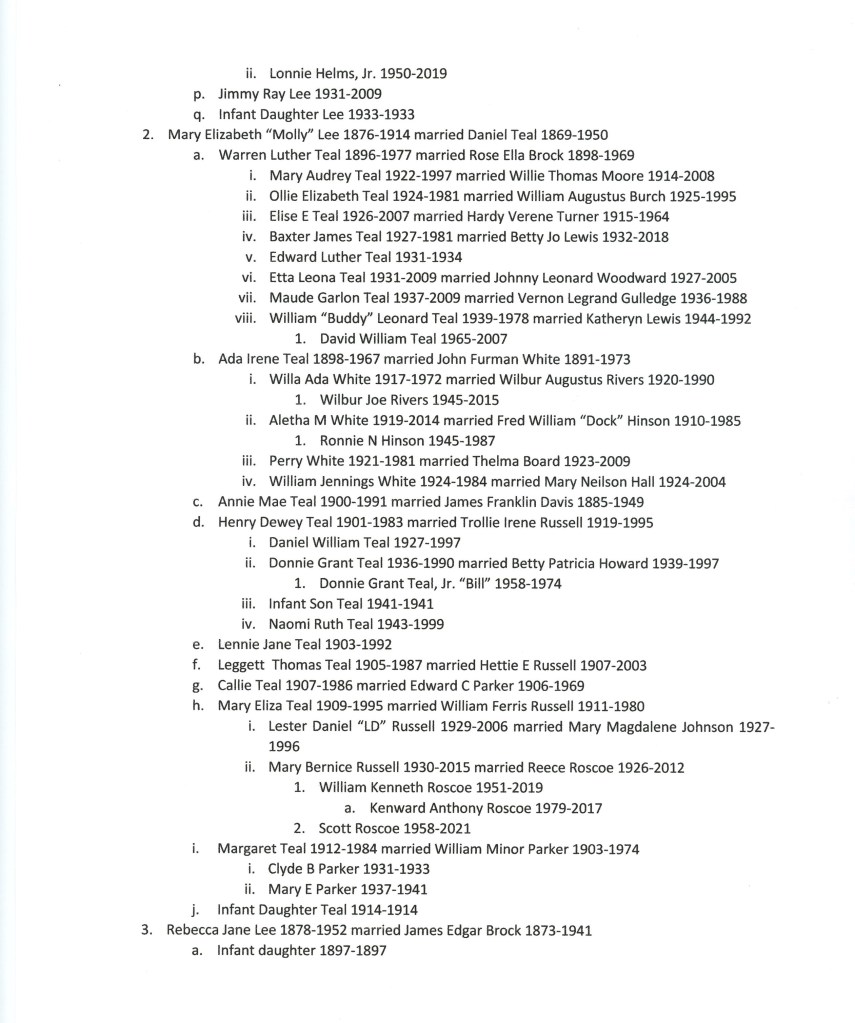
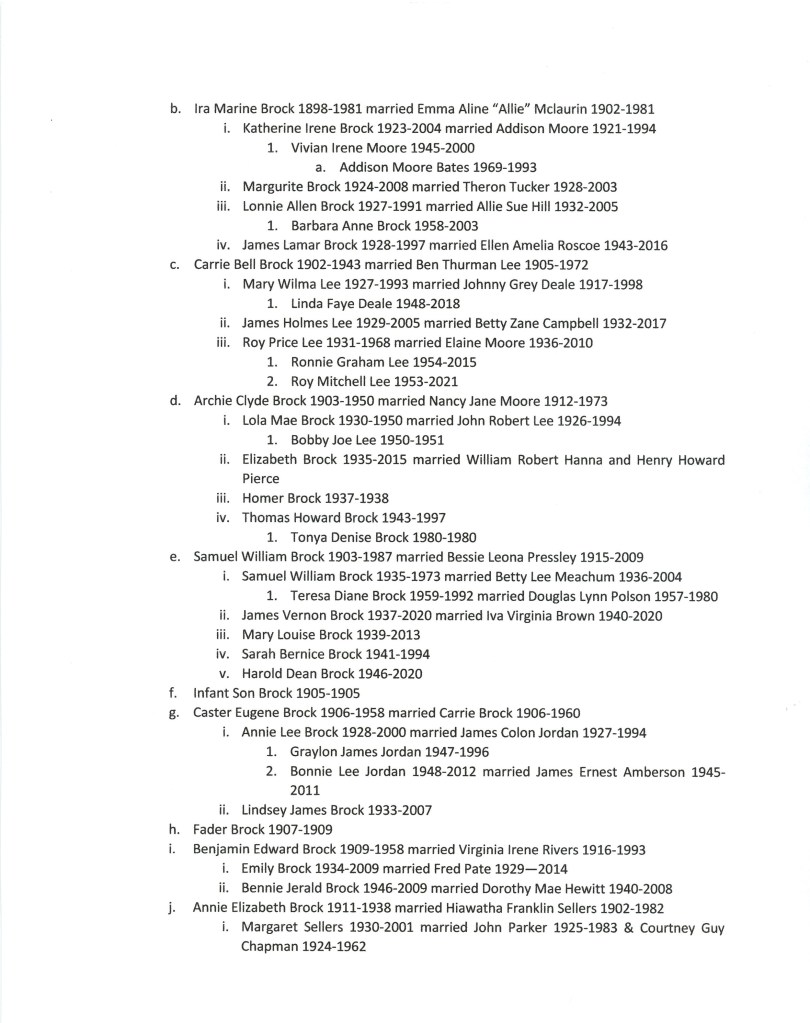

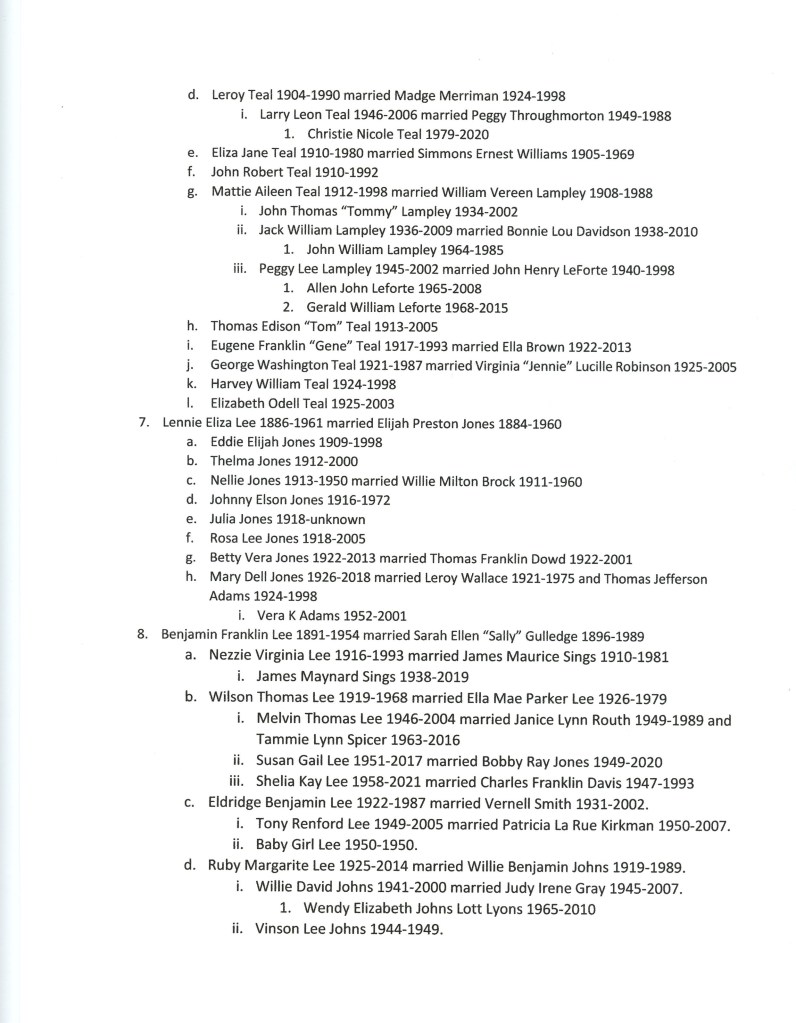
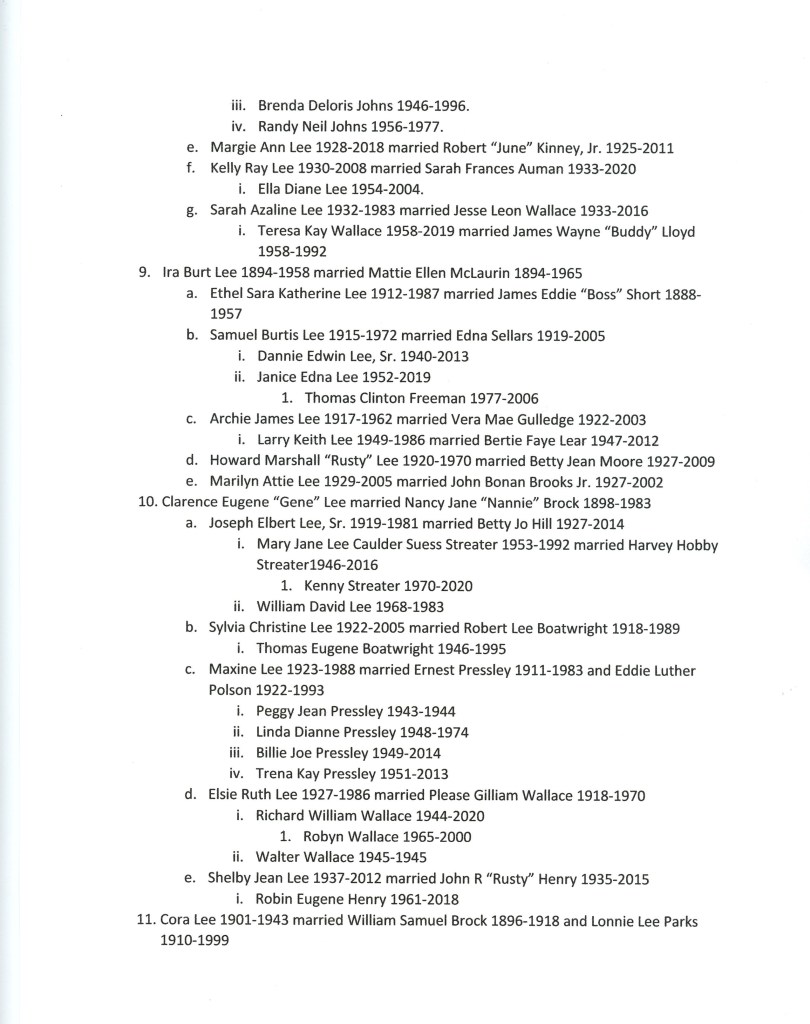
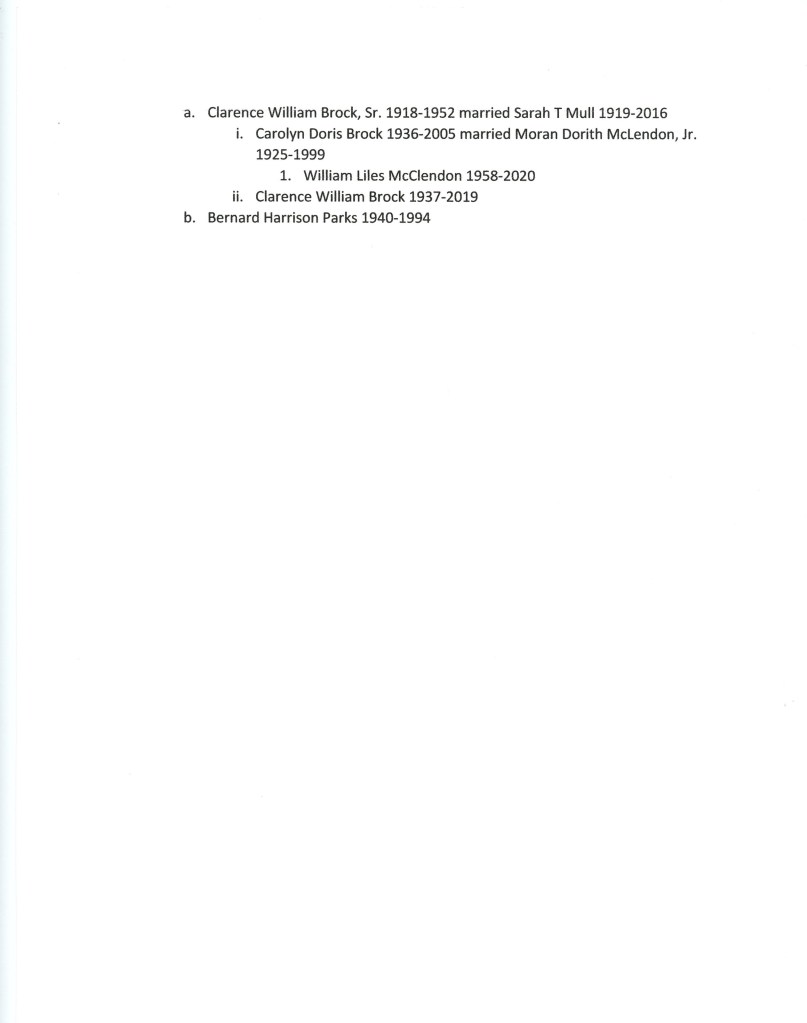

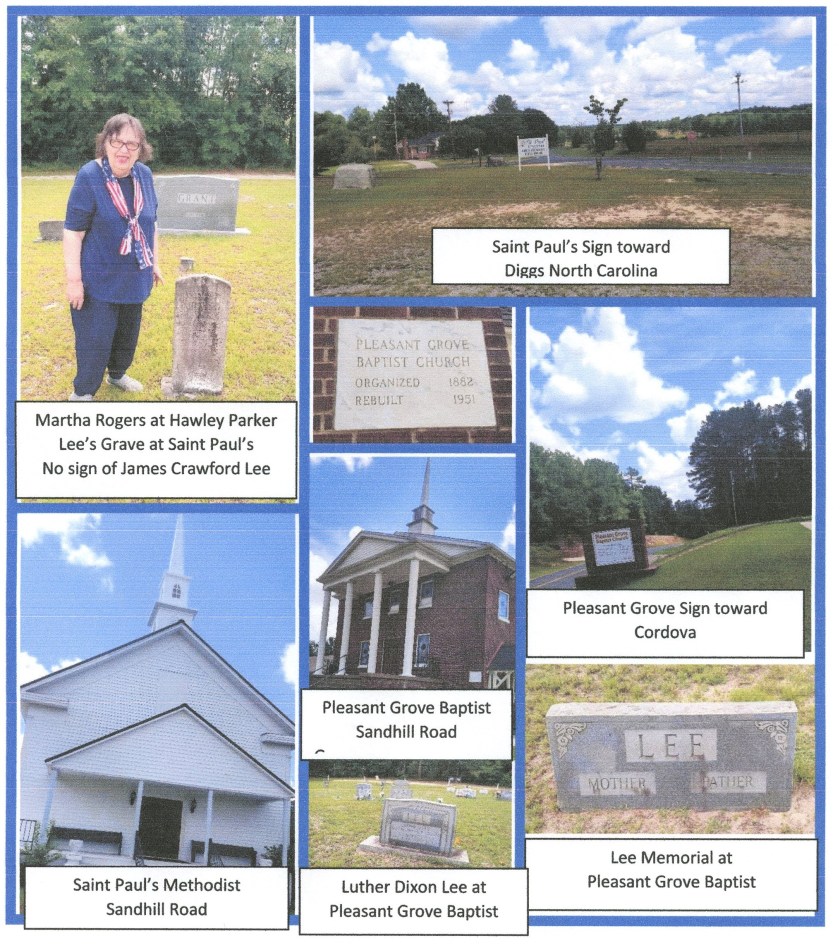
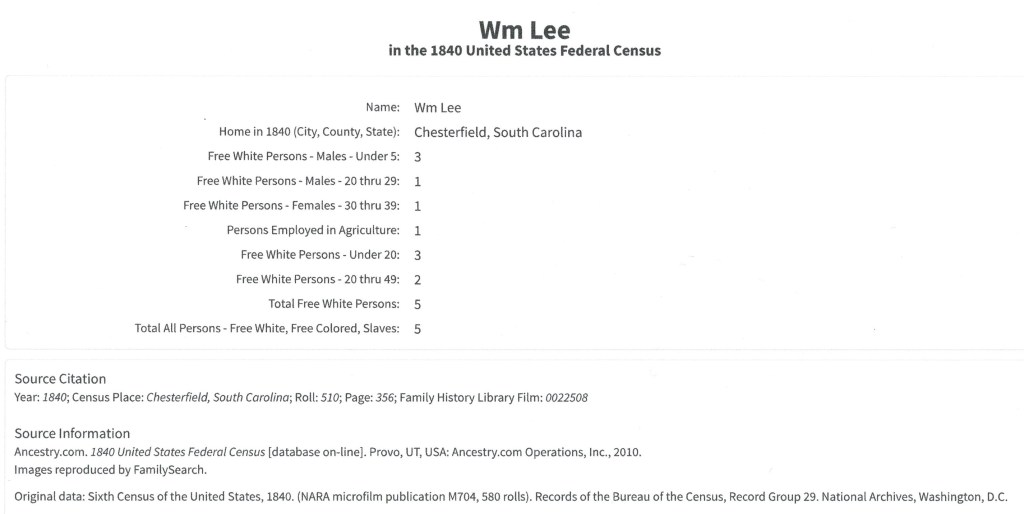
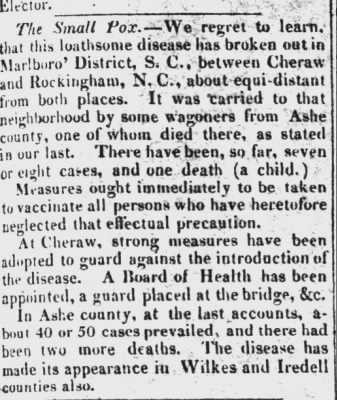
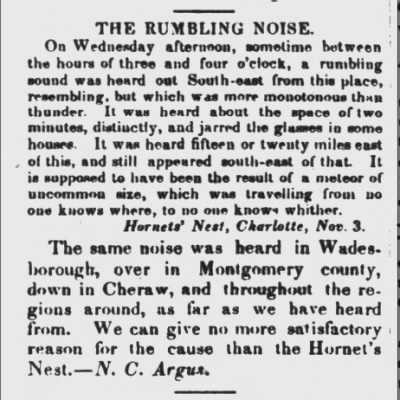
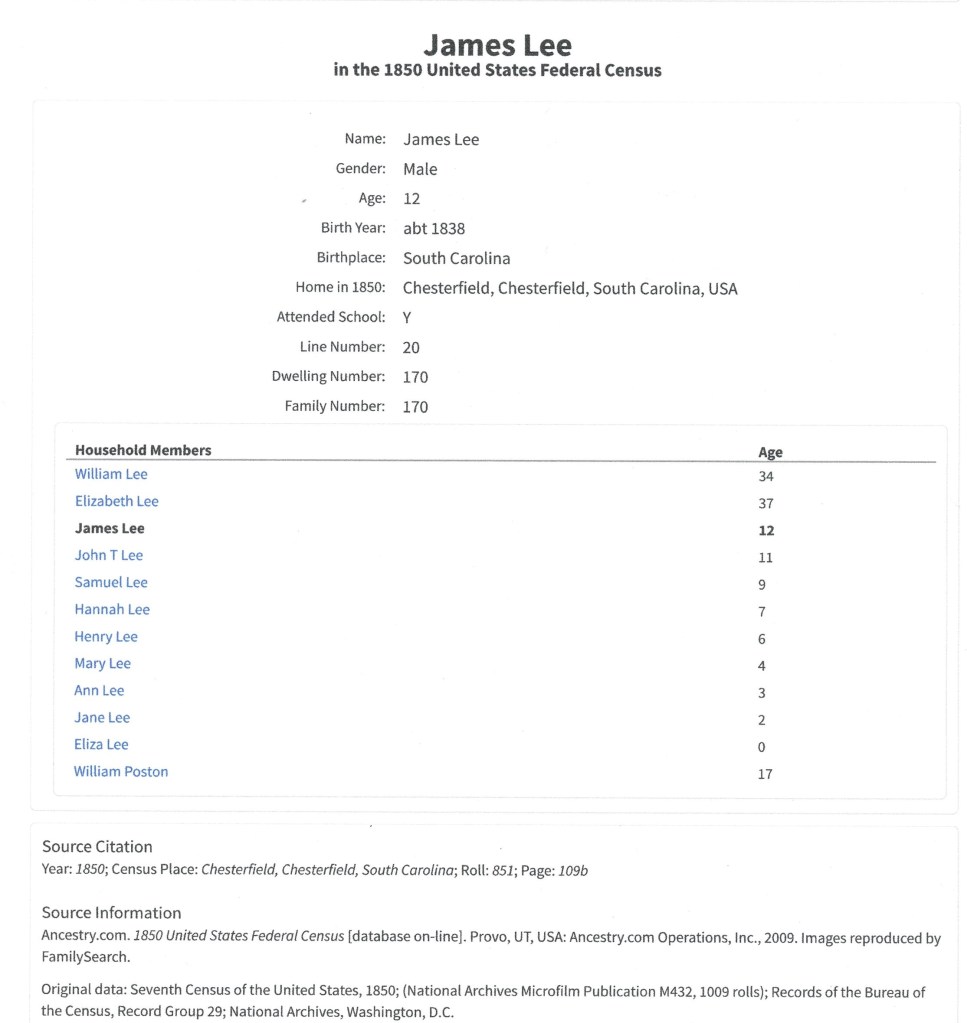
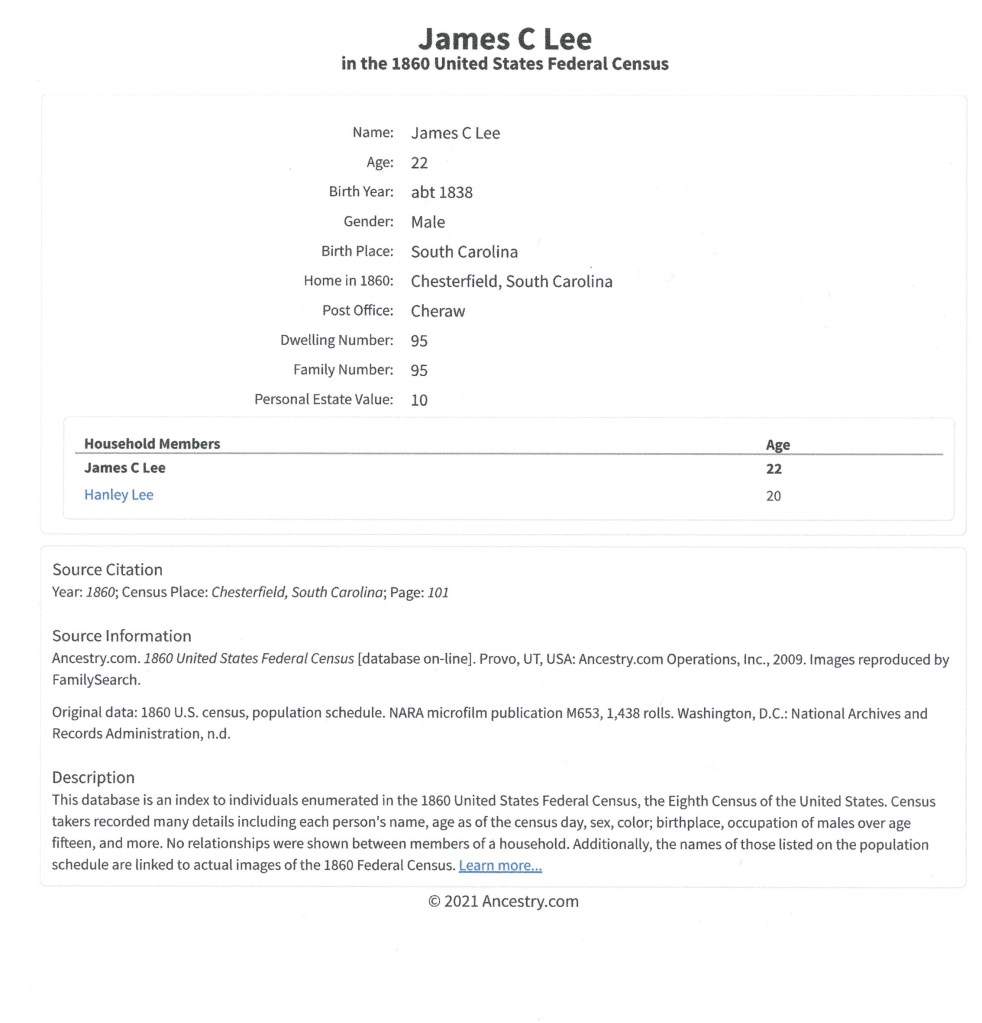
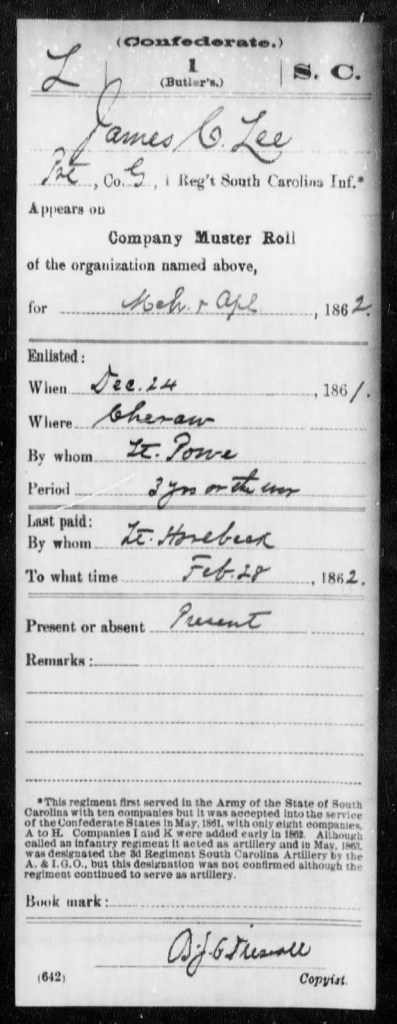
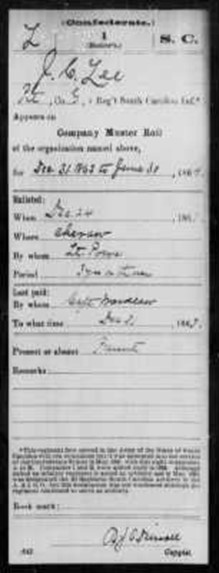
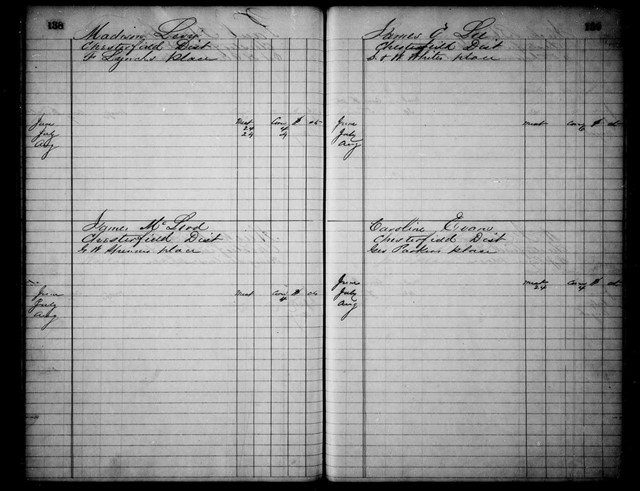

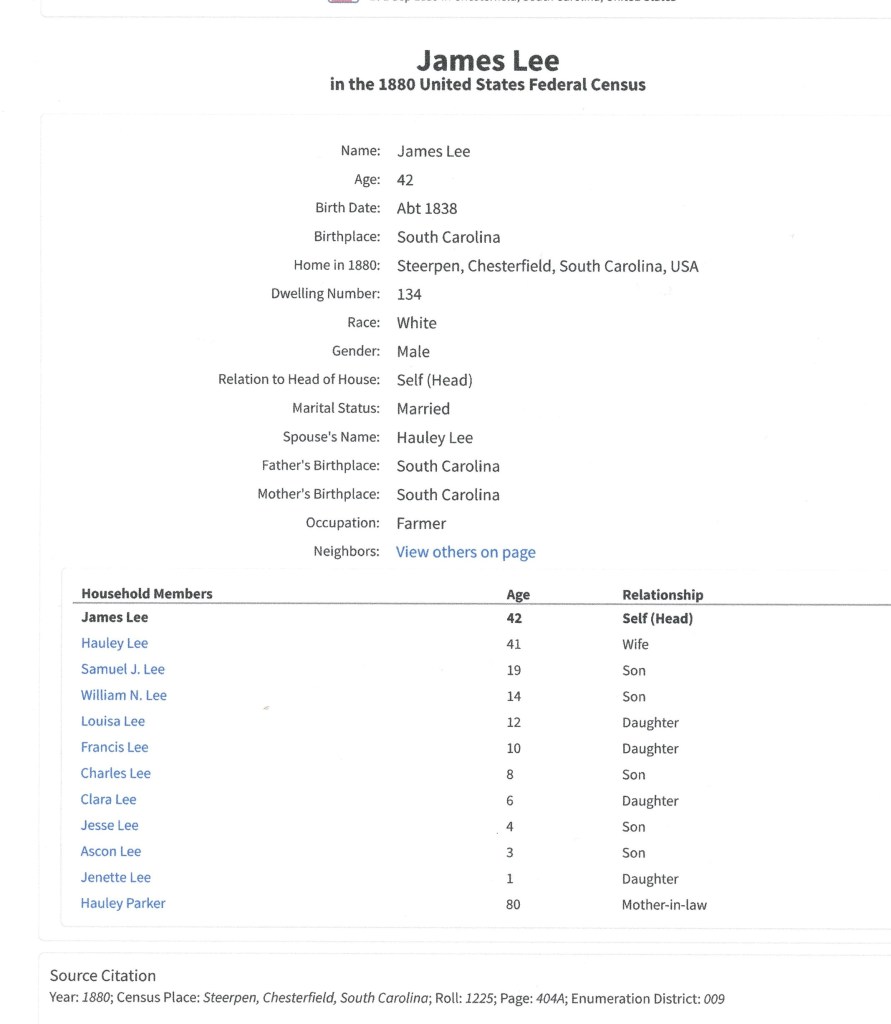
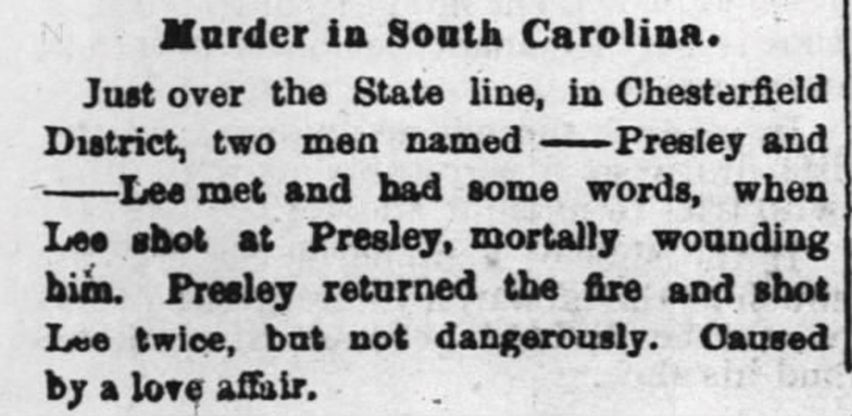
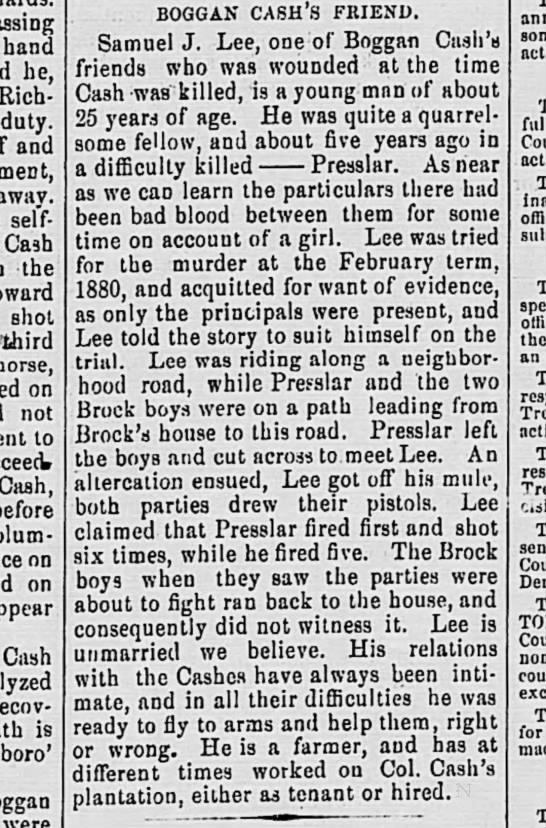
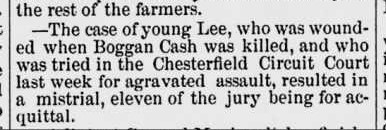
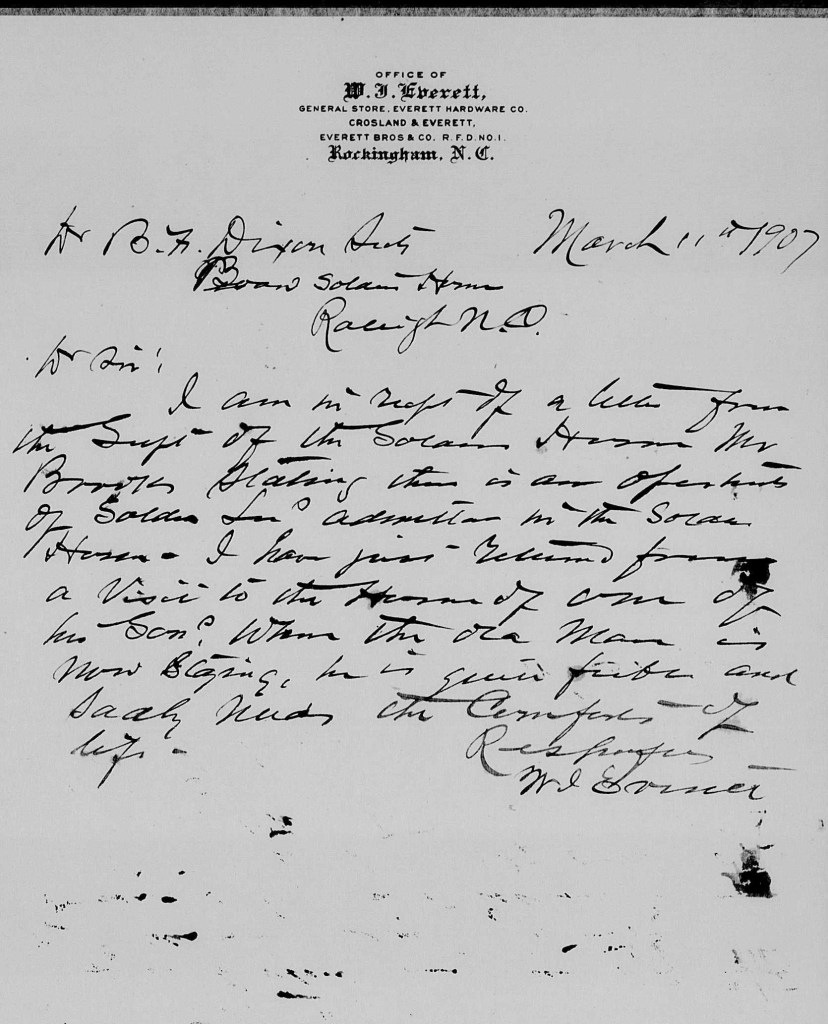
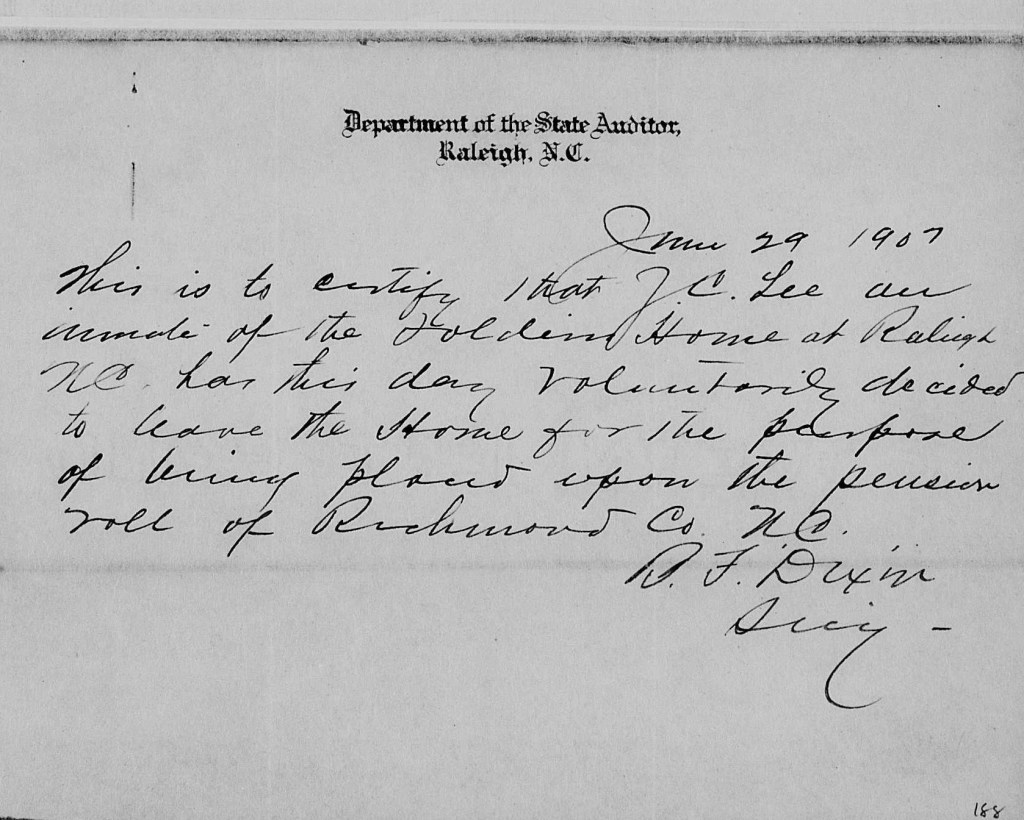


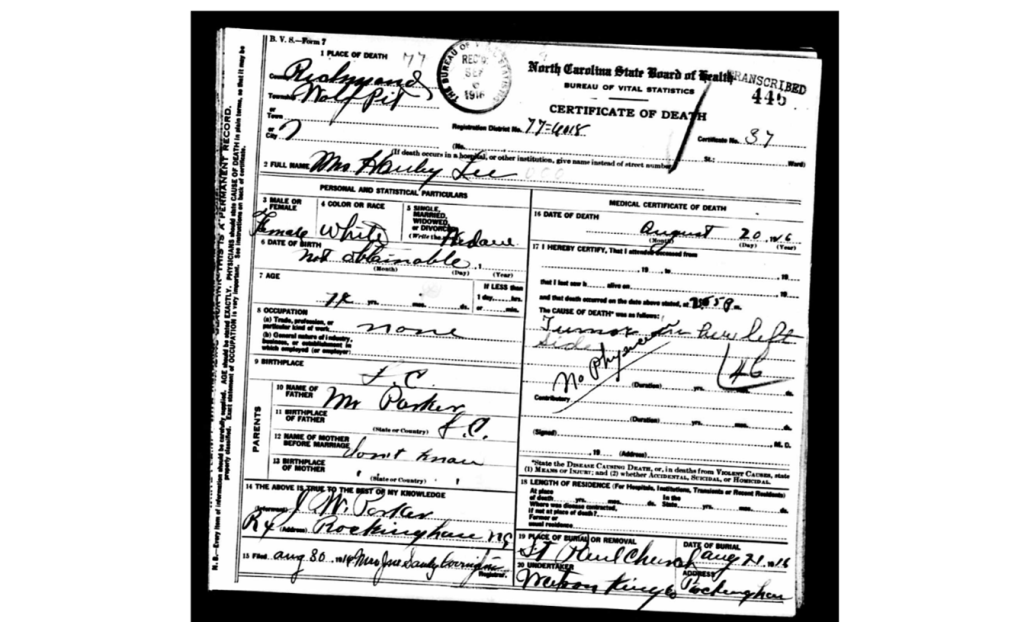
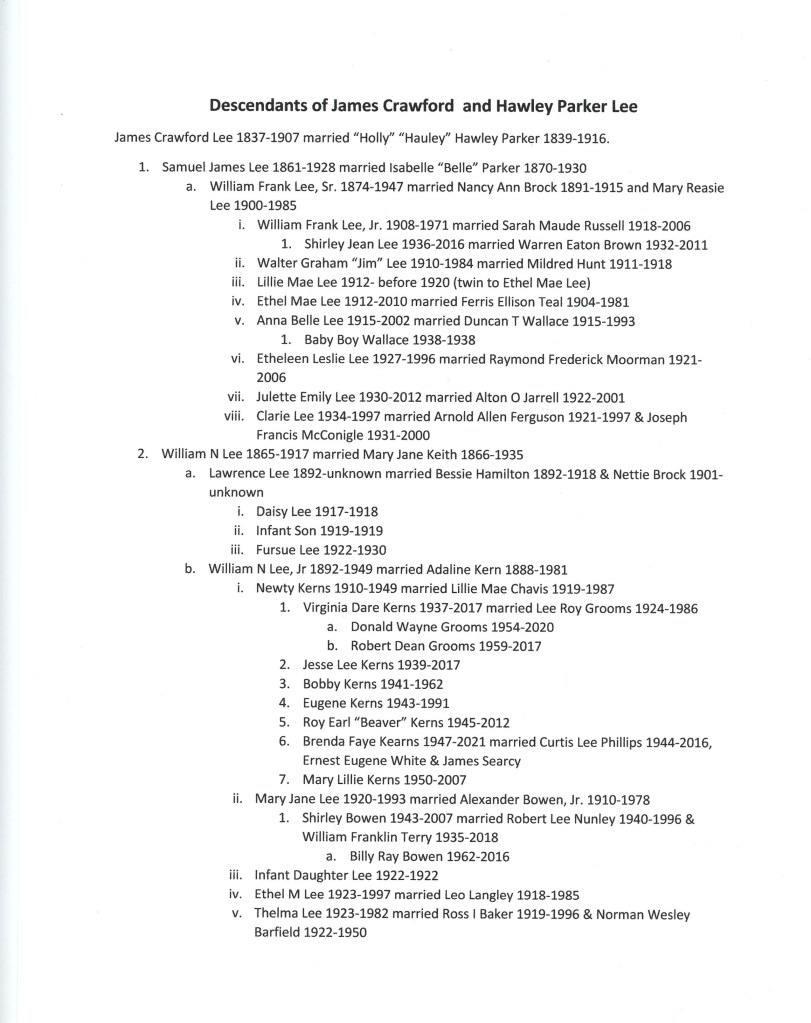
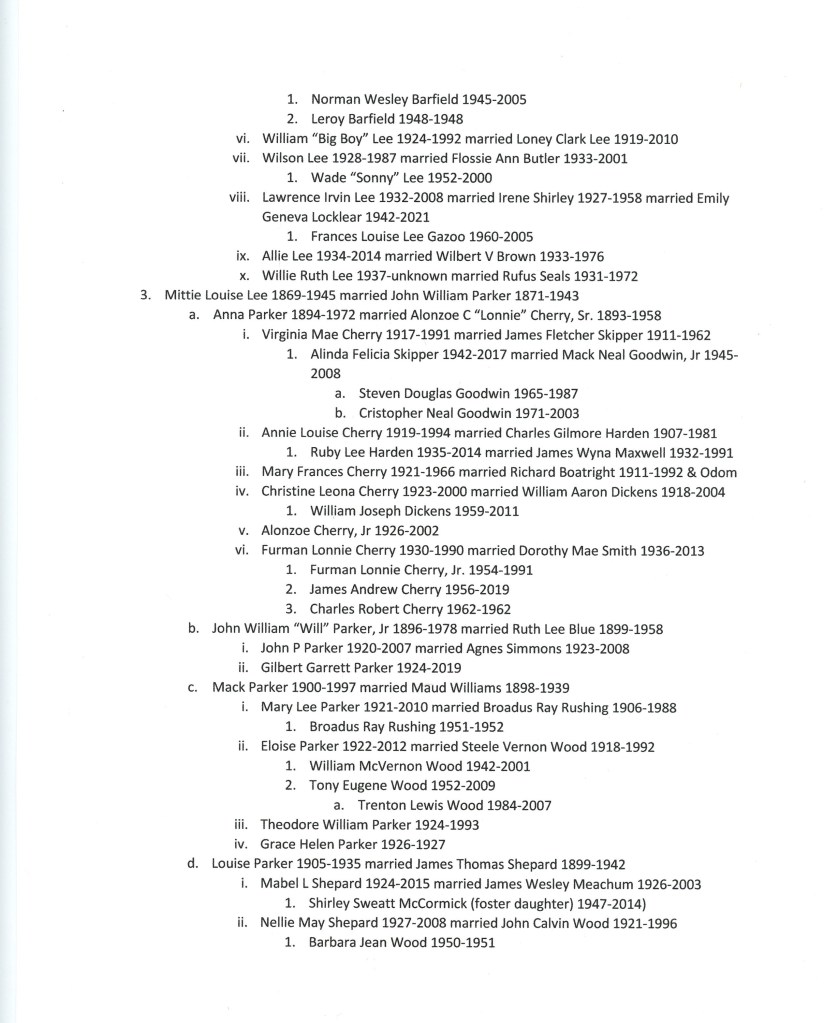
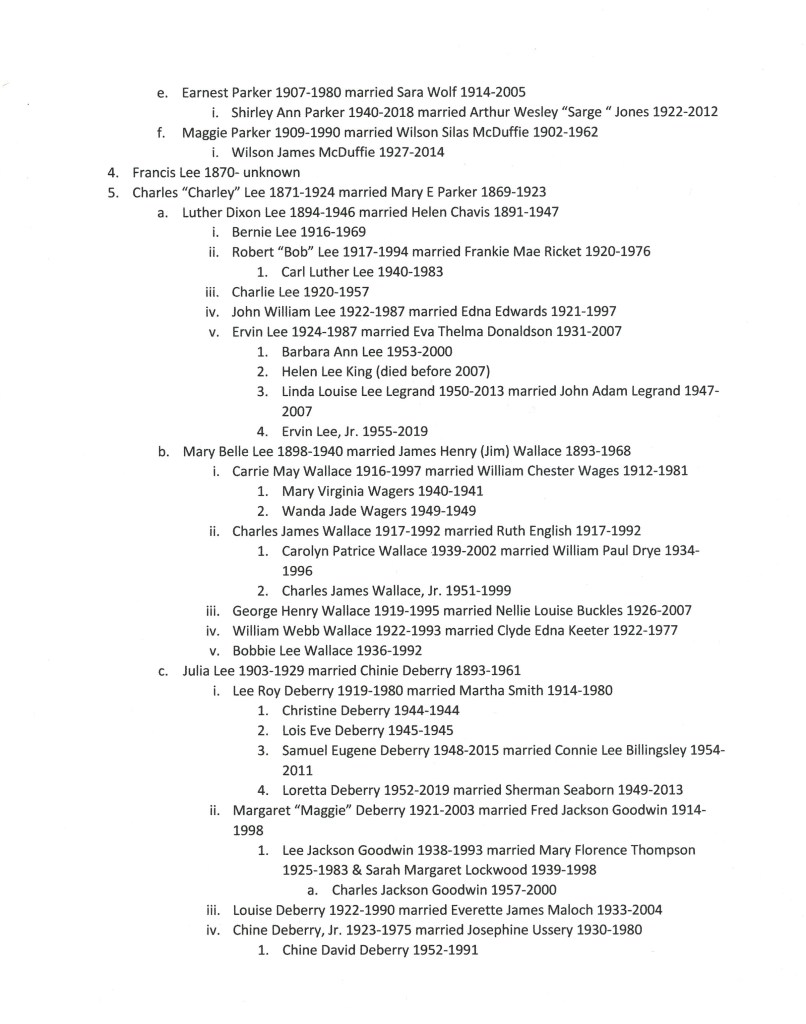

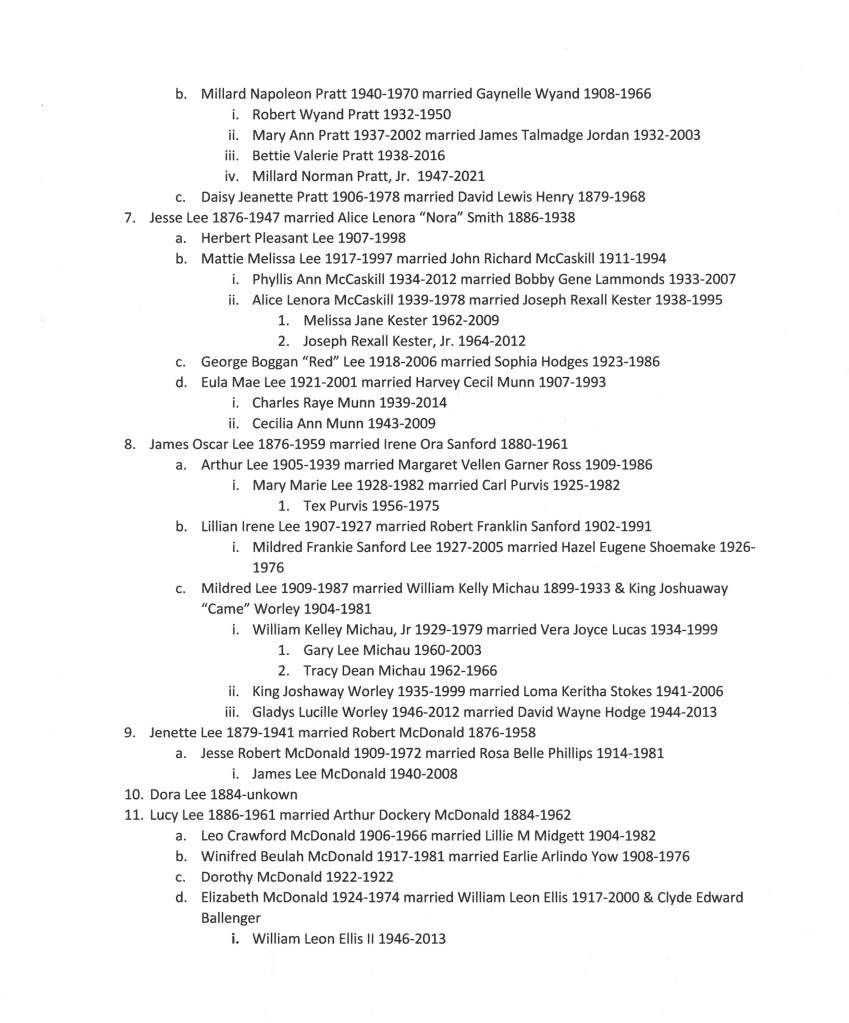

 Martha's Family Connections


#/media/File:Cumberland-gap.jpg)